Study Reveals Excessive Exercise Disrupts Dopamine Regulation in Mice
A recent study highlights how excessive physical training alters dopamine levels in the brain, potentially impacting mental health.
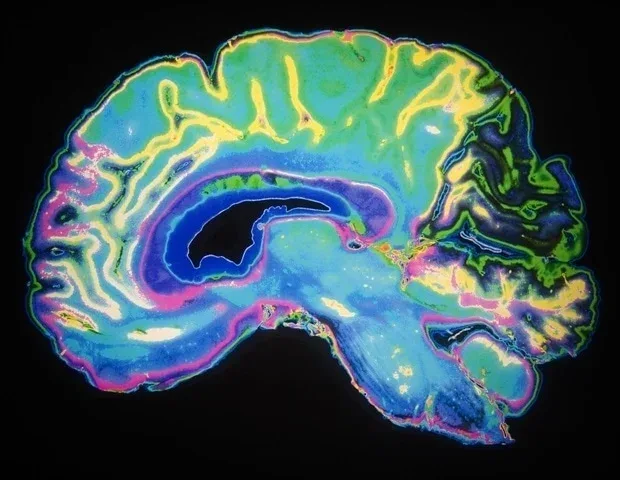
Intense exercise without rest can elevate dopamine levels in the brain.
The study observed mice undergoing rigorous training, revealing significant changes in brain chemistry.
Findings may explain anxiety and fatigue in athletes who overtrain.
A new study published in the journal Neuroscience has uncovered that excessive physical exercise can significantly disrupt dopamine regulation in the brain, particularly in the hippocampus, a region associated with memory and emotional control. Researchers from Brazil conducted experiments on mice subjected to intense exercise routines, revealing that dopamine levels remained abnormally high during rest periods, which could have implications for human athletes who experience anxiety and chronic fatigue due to overtraining.
The research team, led by Alisson Luiz da Rocha from the University of São Paulo, divided the mice into two groups: one underwent a standard exercise test, while the other simulated the high-performance training of athletes suffering from overtraining syndrome. This syndrome is characterized by decreased performance, chronic fatigue, and various physiological changes. The second group trained for eight weeks with increasing intensity, culminating in two daily sessions with minimal recovery time.
Upon analysis, the researchers found that while dopamine levels spiked immediately after exercise in the acute group, the chronic training group exhibited elevated dopamine and the enzyme responsible for its production, tyrosine hydroxylase, for up to 48 hours post-exercise. This finding raises concerns about the potential effects of excessive training on brain chemistry and overall health, as noted by study coordinator Adelino Sanchez Ramos da Silva.
The implications of this research extend beyond the laboratory, suggesting that similar biochemical changes could occur in humans, linking excessive training to sleep disorders and mental health issues. The study emphasizes the necessity of adequate recovery time to prevent performance decline and chronic pain, which can affect both professional and amateur athletes.
Looking ahead, the research team plans to explore the relationship between these findings in mice and their potential effects on human sleep and anxiety. The study serves as a crucial reminder of the importance of balancing exercise with rest to maintain both physical and mental well-being.