Study Reveals Lower Breastfeeding Rates Linked to Higher BMI in Diabetic Women
A recent study indicates that women with Type 2 diabetes and higher BMI may breastfeed less exclusively.
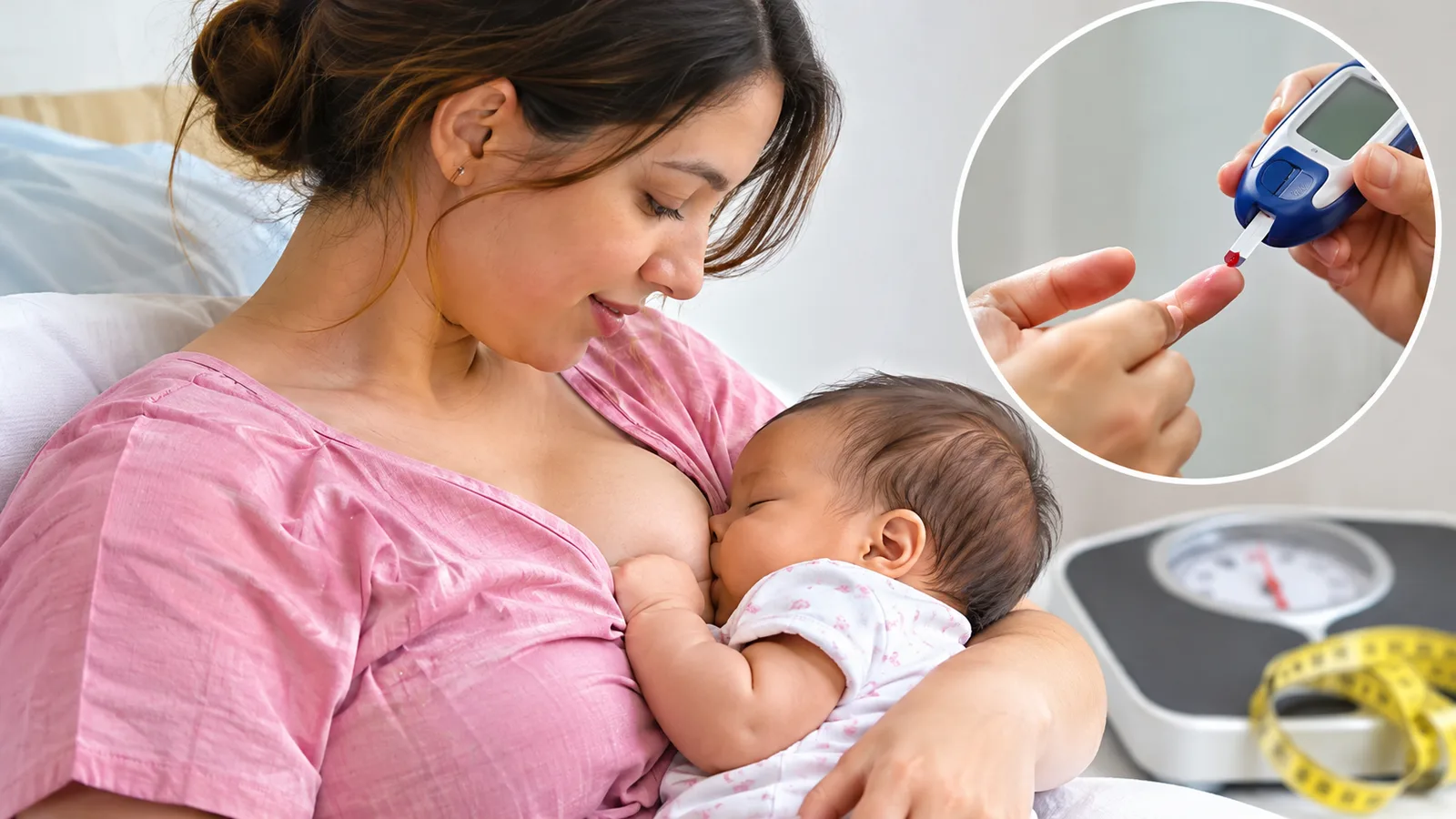
Only 24% of mothers with diabetes exclusively breastfed, compared to 64% of those with normal BMI.
Mothers with diabetes were less likely to initiate breastfeeding within the first 24 hours post-delivery.
The study calls for more research on the impact of maternal weight on breastfeeding practices.
A recent study published on October 31, 2026, highlights a concerning trend regarding breastfeeding rates among women with Type 2 diabetes. The research indicates that these mothers are less likely to exclusively breastfeed their infants, with maternal body mass index (BMI) identified as a potential influencing factor.
The study evaluated breastfeeding outcomes four months postpartum in women with Type 2 diabetes, comparing them with two groups of women without diabetes who had similar BMI levels. Key factors assessed included age, previous pregnancies, and BMI. The findings revealed that only 24% of mothers with diabetes managed to exclusively breastfeed, in stark contrast to 38% of women with a comparable BMI and 64% of those with normal BMI.
Moreover, the overall breastfeeding rates, which included both exclusive and mixed feeding methods, were reported at 55% for the diabetes group. This figure was nearly identical to the 54% observed in BMI-matched women without diabetes, while a significantly higher rate of 82% was noted among participants with normal BMI. The study also found that women with diabetes were less likely to initiate breastfeeding within the first 24 hours after delivery, with their newborns receiving formula more frequently during hospital stays due to concerns over low blood glucose levels.
The researchers concluded that elevated maternal BMI could be linked to lower breastfeeding rates, suggesting that diabetes alone may not fully account for the observed differences. However, they cautioned that the small sample size and observational nature of the study limit the ability to draw definitive conclusions about causality.
The findings underscore the need for personalized breastfeeding support for women with diabetes. The researchers advocate for larger-scale studies to further explore how maternal weight, metabolic health, and newborn care practices influence breastfeeding outcomes.