Study Reveals Ethnic Minorities in England Face Breast Cancer Diagnosis Disparities
A recent analysis highlights significant disparities in breast cancer diagnosis among ethnic minorities in England, revealing a troubling trend in emergency diagnoses.
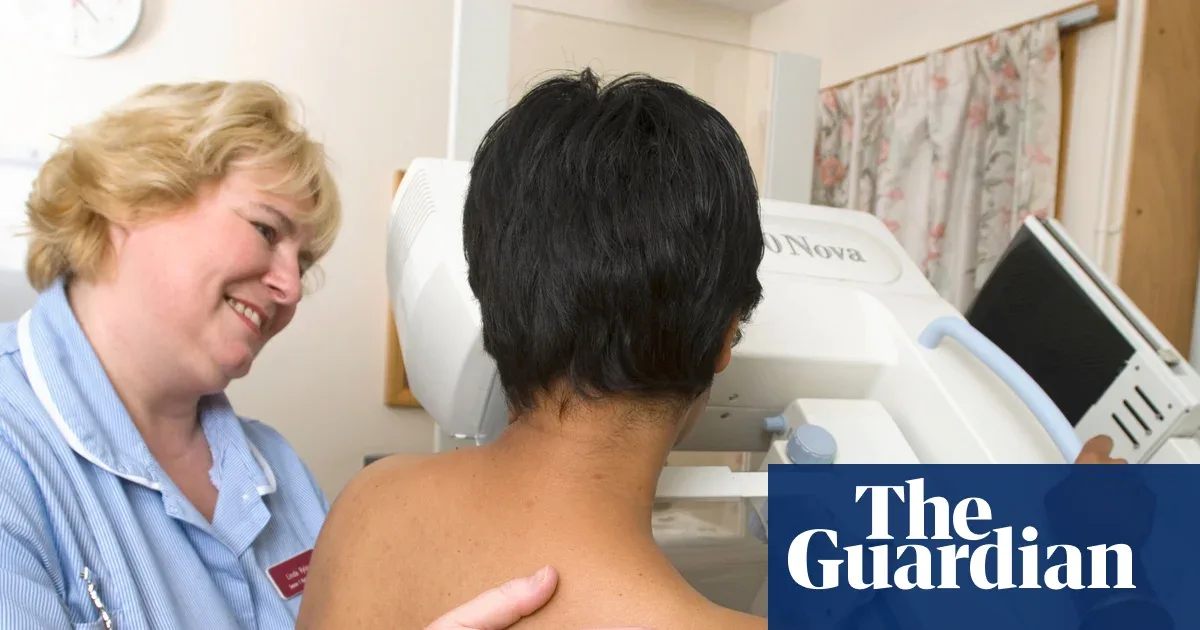
Ethnic minorities are up to 33% less likely to be diagnosed with breast cancer through routine screenings.
Individuals from marginalized backgrounds face longer wait times for diagnosis and treatment.
The research underscores the need for equitable access to breast cancer screening and care.
A new study conducted by researchers at the University of Surrey has uncovered alarming disparities in breast cancer diagnoses among ethnic minorities in England. The analysis indicates that individuals from Black, Asian, and mixed ethnic backgrounds, as well as those from deprived areas, are significantly less likely—up to one-third less—to receive a diagnosis through routine screening. Instead, these groups are more frequently diagnosed in emergency situations, raising concerns about the effectiveness of current screening practices.
The research, which analyzed data from 86,564 adults diagnosed with breast cancer between 2009 and 2019, was funded by the charity Breast Cancer Now. It highlights a critical issue: people from marginalized communities not only face barriers to early detection but also experience longer wait times for diagnosis and treatment. For instance, those with learning disabilities wait 18% longer for a diagnosis compared to their peers without such disabilities.
Manveet Basra, associate director of public health at Breast Cancer Now, emphasized the need for targeted interventions to address these disparities. She stated that understanding the barriers faced by these groups is essential for improving their outcomes. The organization is committed to funding research aimed at identifying and addressing these inequities, ensuring that all individuals affected by breast cancer receive the support they need.
Breast cancer remains the most prevalent cancer among women globally, accounting for approximately one in four cancer cases. Early identification of women at higher risk is crucial for implementing preventive measures and additional screenings. However, the study reveals that ethnic minorities often require more visits to general practitioners before receiving a cancer diagnosis, with one in three needing three or more visits compared to one in five for the general population.
Looking ahead, the findings call for immediate action from policymakers and healthcare providers to enhance access to screening for all women, regardless of their background. As the research indicates, addressing these disparities is vital for improving breast cancer survival rates and ensuring equitable healthcare for marginalized communities.