Study Reveals 50% of Long Covid Patients Face Breathing Issues Four Years Post-Infection
A recent study indicates that half of the adults with long Covid experience dysfunctional breathing symptoms even four years after their initial infection.
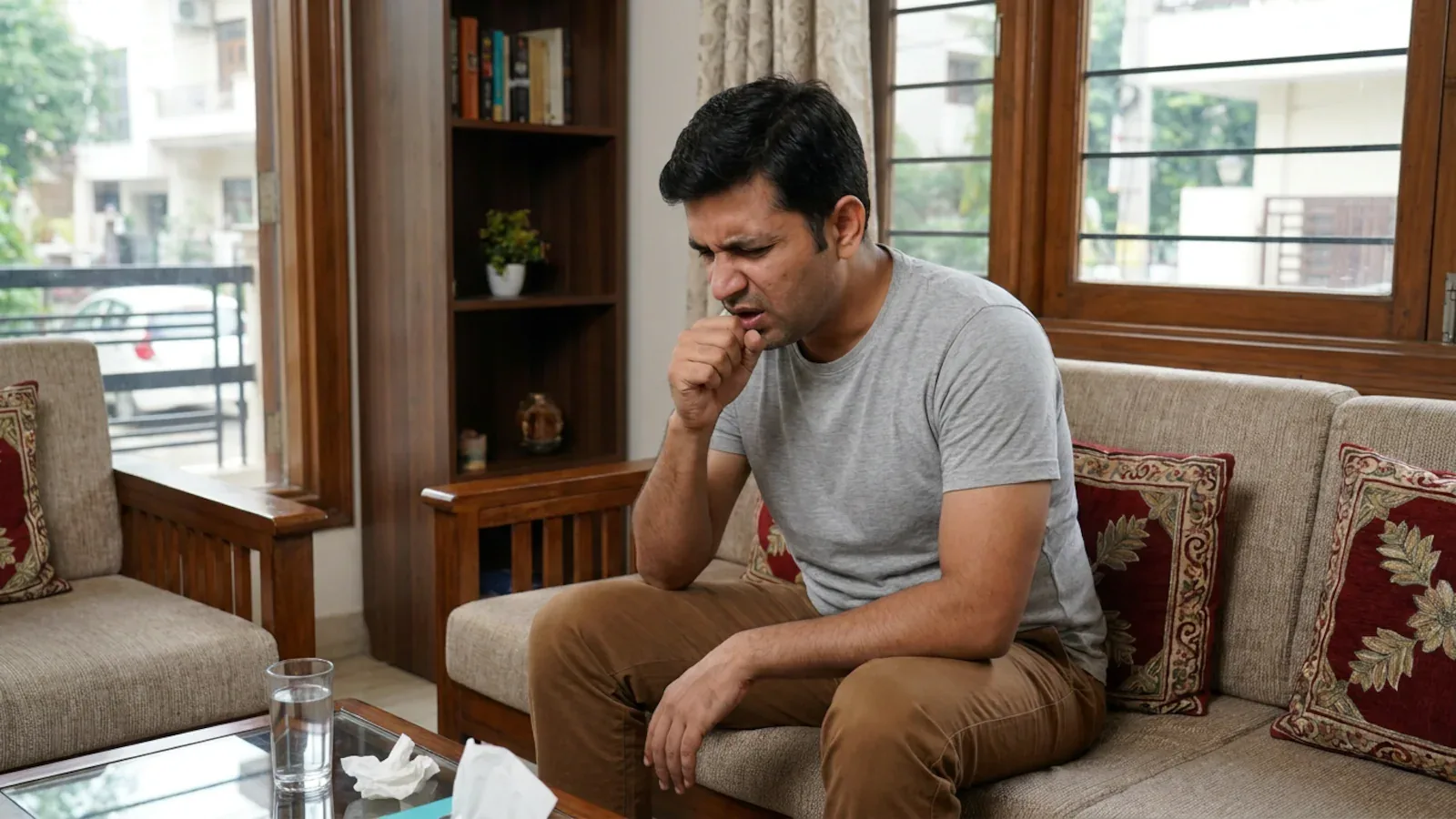
50% of long Covid patients report breathing problems four years later
Dysfunctional breathing affects health outcomes and physical performance
Study highlights need for comprehensive assessments of respiratory issues
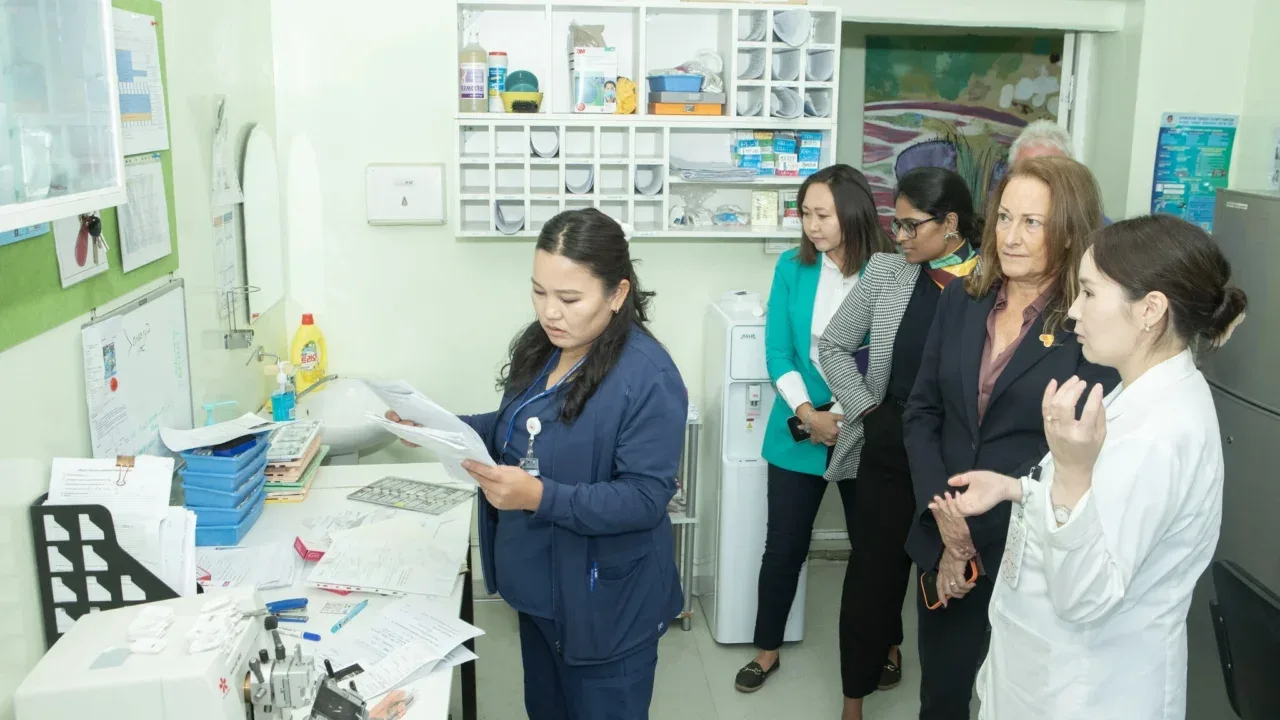
A recent study has revealed that breathing difficulties remain a significant concern for individuals suffering from long Covid, with half of the participants reporting symptoms indicative of dysfunctional breathing more than four years after their COVID-19 infection. Conducted at a specialized post-Covid clinic in Stockholm, Sweden, the research assessed 288 adults, emphasizing the persistence of respiratory issues even after the acute phase of the illness has resolved.
Published in the journal Respiratory Research, the study followed participants for a median of 50 months. Researchers utilized the Nijmegen Questionnaire, a tool designed to screen for dysfunctional breathing symptoms. They found that 143 participants exhibited increased scores on this questionnaire, suggesting a notable prevalence of breathing-related issues. However, the authors cautioned that high scores do not equate to a clinical diagnosis, underscoring the need for further research combining subjective assessments with objective measures of respiratory function.
The findings indicate that individuals with higher scores on the Nijmegen Questionnaire also reported a greater overall burden of long Covid symptoms and poorer health outcomes. Notably, those who did not require hospitalization during their initial COVID-19 infection were more likely to experience persistent breathing problems. Factors such as younger age, increased breathlessness during initial assessments, and lower forced expiratory volume in one second (FEV1) were also linked to a higher risk of dysfunctional breathing.
Additionally, the study highlighted that participants with elevated breathing symptom scores demonstrated poorer physical performance in tests measuring walking endurance and muscle strength. This suggests that traditional lung function tests may not fully capture the extent of breathing difficulties experienced by long Covid patients. The research also established connections between dysfunctional breathing scores and other long Covid symptoms, including depressive symptoms and postural orthostatic tachycardia syndrome (POTS), indicating a complex interplay between respiratory issues and other health concerns.
Looking ahead, the study calls for more comprehensive evaluations of respiratory symptoms in long Covid patients, advocating for research that integrates various assessment methods to better understand the long-term implications of the condition. As the medical community continues to navigate the challenges posed by long Covid, these findings underscore the importance of addressing the multifaceted nature of post-COVID health issues.