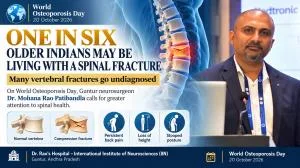
Strategies for Osteoporosis Prevention: Nutrition and Training Insights
Experts emphasize the importance of strength training and calcium-rich diets to combat osteoporosis risks, particularly among postmenopausal women.
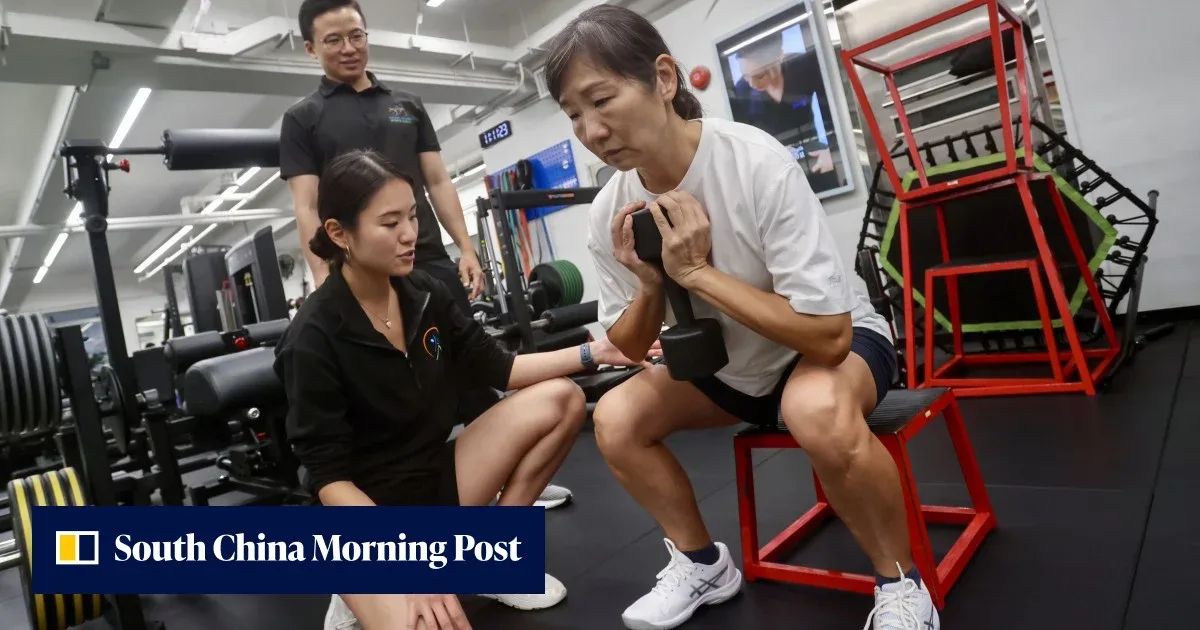
One in five postmenopausal women in Hong Kong faces a high risk of hip fractures.
Osteoporosis is a silent disease, often revealed only after a fracture occurs.
Strength training and proper nutrition are crucial for maintaining bone health.
Recent studies indicate that osteoporosis poses a significant threat to postmenopausal women in Hong Kong, with one in five at risk of suffering a hip fracture. Experts are advocating for proactive measures, including strength training and a diet rich in calcium, to help mitigate these risks. Dr. Edith Lau, the founding president of the Asian Pacific Osteoporosis Foundation, highlights the importance of awareness and preventive strategies in combating this stealthy condition.
Osteoporosis is characterized by a gradual weakening of bones, making them thinner and more susceptible to fractures. Often, individuals may not realize they have the condition until they experience a fracture from seemingly minor incidents, such as a fall or even a sneeze. Common fracture sites include the forearm, spine, and hip, with hip fractures being particularly severe, as they can lead to significant health complications and increased mortality rates.
Experts recommend incorporating strength training exercises into daily routines as a means to enhance bone density and overall strength. In addition to physical activity, a diet high in calcium and vitamin D is essential for maintaining bone health. Foods such as dairy products, leafy greens, and fortified foods can contribute to the necessary nutrient intake. Health professionals stress that both training and nutrition should be tailored to individual needs, especially for those already diagnosed with osteoporosis.
The implications of osteoporosis extend beyond individual health, affecting public health systems and healthcare costs. As the population ages, the prevalence of osteoporosis-related fractures is expected to rise, placing additional strain on healthcare resources. Therefore, raising awareness about preventive measures and encouraging lifestyle changes is critical for reducing the burden of this disease on society.
Looking ahead, health experts urge individuals, particularly women approaching menopause, to prioritize bone health through regular check-ups and lifestyle modifications. Upcoming community workshops and health seminars will focus on educating the public about osteoporosis prevention strategies, emphasizing the importance of early intervention and proactive health management.