Stanford Researchers Discover Protein That Could Repair Cartilage
New findings suggest a protein may enable the body to naturally repair ageing joints, offering hope for arthritis sufferers.
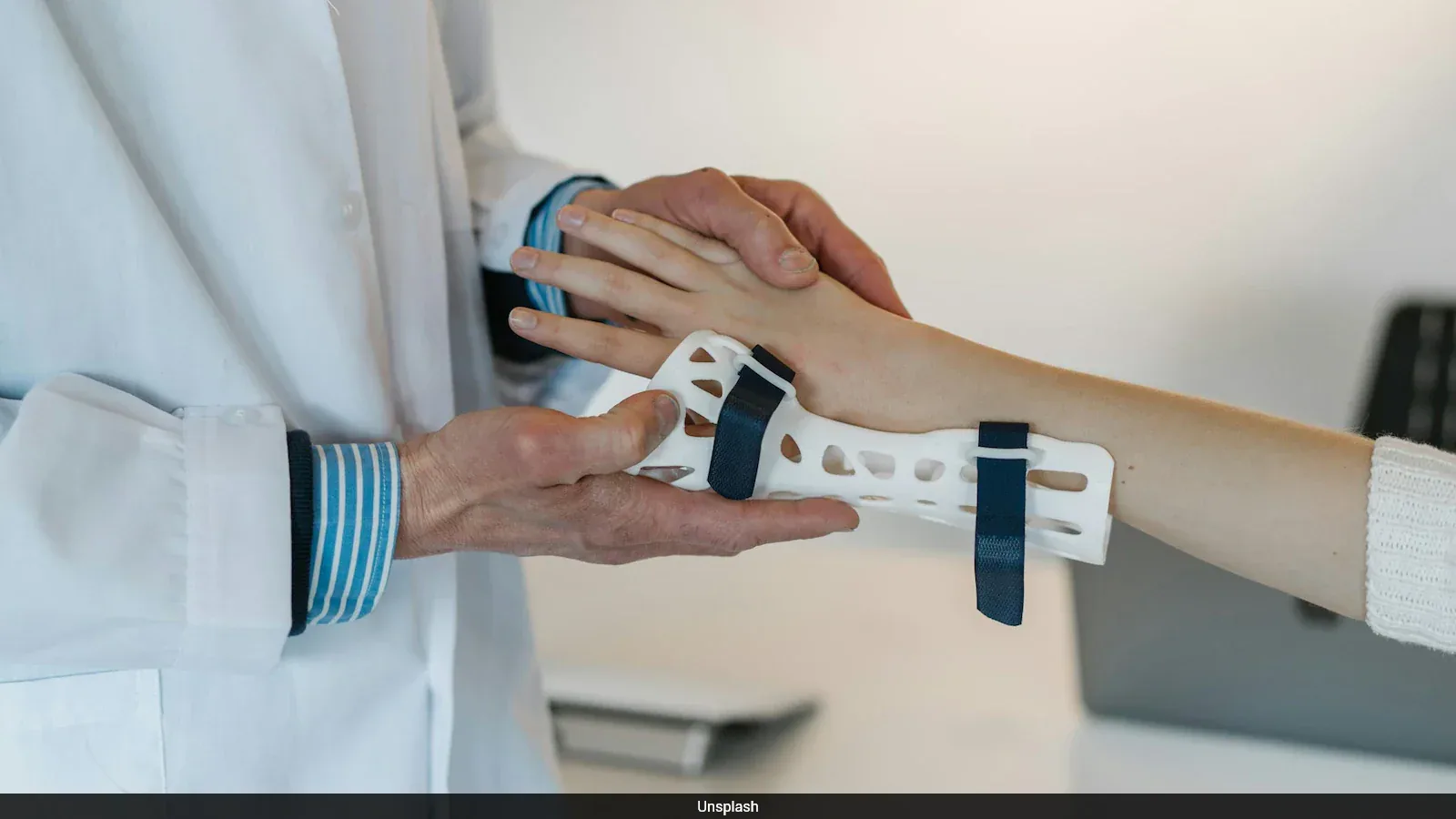
A protein called 15-PGDH may hinder cartilage repair as people age.
Blocking this protein in mice led to cartilage regeneration and reduced arthritis risk.
Future clinical trials could determine if this approach is safe and effective for humans.
Researchers at Stanford University have made a significant breakthrough in understanding joint repair, potentially transforming treatment options for arthritis patients. Their study reveals that a protein known as 15-PGDH increases with age and may inhibit the body's natural ability to repair damaged cartilage. This discovery opens new avenues for addressing joint pain, which affects many individuals as they grow older.
Historically, damaged cartilage was thought to be irreparable, limiting treatment options for conditions like osteoarthritis. However, the Stanford team conducted experiments on older mice, blocking the activity of 15-PGDH. The results were promising; the previously thin and damaged cartilage began to thicken again after treatment. This suggests that the body may have an innate mechanism for cartilage repair that can be harnessed.
In addition to older mice, the researchers tested their approach on younger mice with injuries similar to anterior cruciate ligament (ACL) tears. Remarkably, those treated did not exhibit the typical signs of developing osteoarthritis, indicating that this treatment could mitigate the progression of joint degeneration. The findings also revealed that the treatment did not rely on stem cells but instead enhanced the activity of existing cartilage cells, known as chondrocytes, which are crucial for cartilage maintenance.
The implications of this research extend beyond animal studies. The team also examined human cartilage samples from knee replacement surgeries, finding that treated samples exhibited increased stiffness and reduced inflammation. While these laboratory results are encouraging, they do not yet confirm the treatment's efficacy in humans, necessitating further investigation.
Looking ahead, the Stanford researchers are preparing for clinical trials to assess whether blocking 15-PGDH can effectively repair cartilage in human patients. Previous studies targeting this protein for age-related muscle weakness did not raise significant safety concerns, but more research is essential before this treatment can be widely adopted. If successful, this innovative approach could revolutionize osteoarthritis management, allowing the body to repair its cartilage naturally, potentially reducing the need for joint replacement surgeries.