Study Links Plasma p-tau217 to Cognitive Decline in Alzheimer’s
Research reveals a significant association between plasma p-tau217 levels and cognitive deterioration in early Alzheimer’s disease stages.
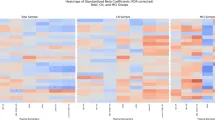
The study involved 103 older adults assessed over 24-36 months.
Higher p-tau217 levels correlated with structural and cognitive decline.
Findings support the integration of plasma biomarkers with MRI and cognitive assessments.
A recent study has established a connection between plasma phosphorylated tau at threonine 217 (p-tau217) and cognitive decline in early stages of Alzheimer’s disease. Conducted on 103 older adults living in the community, the research involved three structural MRI scans and cognitive assessments, including the Mini-Mental State Examination (MMSE) and the Cambridge Cognitive Examination (CAMCOG-R), over intervals of 24 to 36 months. The p-tau217 levels were measured at the final assessment point, revealing critical insights into the neurodegenerative processes associated with Alzheimer’s.
The research utilized longitudinal mixed-effects models to analyze 162 outcomes across 84 distinct brain regions. The analysis highlighted 38 significant outcomes linked to 26 unique brain regions, primarily affecting areas such as the medial temporo-limbic, posterior midline, and default mode network. Additionally, continuous models identified 67 outcomes across 42 regions, demonstrating a strong overlap with the categorical findings. These results underscore the potential of p-tau217 as a biomarker for tracking Alzheimer’s progression.
Significantly, the study found that continuous p-tau217 levels were associated with declines in both CAMCOG-R and MMSE scores. The findings remained robust even after conducting sensitivity analyses, which included a single cutoff for p-tau217 and the exclusion of participants with mild cognitive impairment (MCI) at baseline. This consistency reinforces the reliability of p-tau217 as a marker for cognitive decline.
The implications of this research extend beyond individual assessments, suggesting that integrating plasma biomarkers like p-tau217 with MRI and cognitive evaluations could enhance early detection and monitoring of Alzheimer’s disease. This approach may lead to more tailored interventions and better management strategies for individuals at risk of cognitive decline.
Looking ahead, the study paves the way for further research into the role of p-tau217 in Alzheimer’s disease. Future studies may explore the potential for using this biomarker in clinical settings to improve diagnostic accuracy and treatment planning, ultimately contributing to better outcomes for patients and their families.