Significant Decline in Shingles Cases Among Vaccinated Young Adults
Recent analysis shows a notable drop in shingles cases among individuals under 35 who received the chickenpox vaccine.
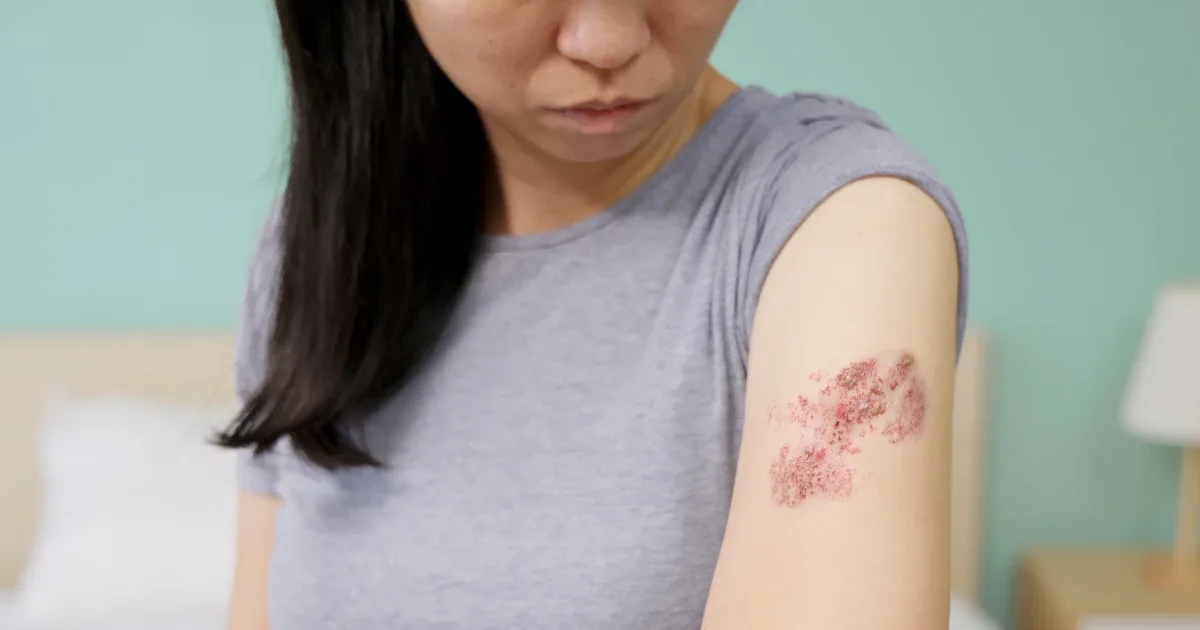
Shingles cases have decreased significantly among vaccinated individuals aged 34 and younger.
The chickenpox vaccine, introduced in 1995, has led to a 97% reduction in chickenpox infections.
Data indicates a reversal of shingles trends in the youngest vaccinated adults.
A recent analysis reveals that shingles cases are declining among young adults who received the chickenpox vaccine. The report, released by Epic Research, highlights a significant drop in shingles diagnoses among individuals aged 34 and younger, suggesting a positive impact of vaccination on public health.
Historically, anyone infected with chickenpox as a child is at risk of developing shingles later in life. Despite a gradual rise in shingles cases among younger adults in recent years, the introduction of the chickenpox vaccine in 1995 has led to a substantial decrease in chickenpox infections, which may contribute to the observed decline in shingles cases.
The data, which analyzed electronic health records from over 85 million patients in the U.S., indicates that shingles cases among women aged 30 to 34 fell from 10.8 to 7.3 per 10,000 from 2019 to 2026. Similarly, men in the same age group experienced a drop from 11 to 7.3. For those aged 25 to 29, the rates more than halved, and in the 18 to 24 age group, shingles cases decreased from 2.9 to 1.6 for women and from 2.7 to 2.4 for men.
This decline is promising, although experts caution that shingles is typically rare in individuals under 50, making it difficult to determine if the protective effects of the vaccine will persist as these individuals age. Dr. Sharon Curhan, an epidemiologist, noted that while vaccinated individuals can still develop shingles, their risk is significantly lower compared to those who contracted chickenpox.
Looking ahead, the findings underscore the importance of vaccination in preventing not only chickenpox but also shingles. As the first generation eligible for the chickenpox vaccine continues to age, public health officials are optimistic about the long-term benefits of vaccination in reducing shingles cases in the future. Continued monitoring and research will be essential to fully understand the lasting effects of the chickenpox vaccine on shingles incidence.