WHO Targets 90% HPV Vaccination to Eliminate Cervical Cancer
The World Health Organization emphasizes the potential to eradicate cervical cancer through enhanced HPV vaccination and screening efforts.
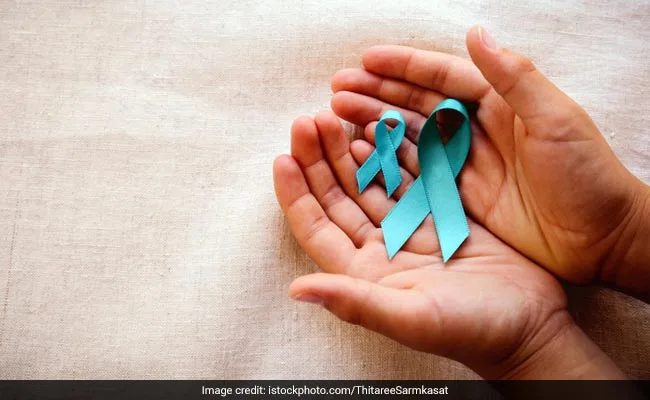
Cervical cancer could be the first cancer eliminated as a public health issue.
Over 600,000 women are diagnosed with cervical cancer annually, with significant mortality rates.
WHO's 90-70-90 strategy aims for comprehensive vaccination and screening to combat the disease.
In a groundbreaking announcement, the World Health Organization (WHO) has indicated that cervical cancer could potentially be the first cancer eliminated as a public health concern. This optimistic outlook hinges on the continued enhancement of human papillomavirus (HPV) vaccination, screening, and timely treatment across nations. With existing preventive measures already in place, the global health community is increasingly hopeful about achieving this ambitious goal.
Historically, cervical cancer has posed a significant threat, particularly in low- and middle-income countries where access to essential health services is limited. Each year, more than 600,000 women are diagnosed with this disease, leading to approximately 280,000 deaths. The burden is most severe in the African region, where 19 of the 20 countries with the highest incidence of cervical cancer are located. The impact of this disease extends beyond individual health, affecting families and communities, as many children lose their mothers to a largely preventable illness.
In 2020, WHO Member States adopted a comprehensive strategy aimed at accelerating the elimination of cervical cancer. This strategy sets forth the 90-70-90 targets, which include vaccinating 90% of girls against HPV by age 15, ensuring that 70% of women receive high-quality screening by ages 35 and 45, and providing appropriate treatment to 90% of women diagnosed with precancerous or invasive cancer. Progress has been notable, with 166 countries integrating HPV vaccination into their national programs and 96 adopting a single-dose vaccination schedule. India has launched one of the largest HPV vaccination initiatives globally, successfully reaching over 11 million girls.
The role of HPV vaccination and regular screening is critical in preventing cervical cancer. Persistent infection with high-risk HPV types is responsible for nearly all cervical cancer cases. Vaccination before the onset of sexual activity is essential for protection against these high-risk types. Alongside vaccination, regular screening is vital for detecting precancerous changes early. Advances in screening technology, such as HPV DNA testing and self-sampling, are making it easier for women to access these services, particularly in underserved areas.
Looking ahead, the WHO emphasizes the need for sustained investment in HPV vaccination programs, expanded screening facilities, and accessible treatment options. Addressing disparities in healthcare access is crucial, particularly for women living with HIV, who are at a significantly higher risk for cervical cancer. The overarching goal remains clear: to ensure that every woman, regardless of her socioeconomic status or location, has access to the necessary preventive measures and treatments to combat cervical cancer effectively.