SGLT2 Inhibitors Show Modest Increases in Haemoglobin Levels
A comprehensive meta-analysis reveals SGLT2 inhibitors lead to slight increases in haemoglobin and haematocrit, though clinical significance remains unclear.
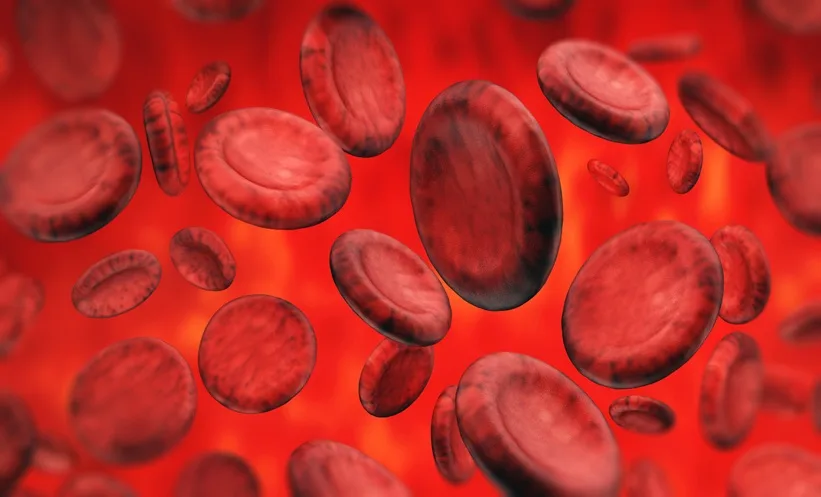
SGLT2 inhibitors linked to a 0.55 g/dL increase in haemoglobin levels.
Haematocrit levels rose by 2.17% among SGLT2 inhibitor users.
Further research is needed to determine the clinical relevance of these findings.
A recent meta-analysis involving 85 randomized clinical trials has found that sodium-glucose cotransporter 2 (SGLT2) inhibitors are associated with modest increases in haemoglobin and haematocrit levels. The study, which included data from 70,543 participants with conditions such as cardiovascular disease, diabetes, heart failure, or chronic kidney disease, reported a median follow-up period of 24 weeks. Despite these findings, the clinical significance of the observed changes in blood parameters remains uncertain.
The analysis aimed to quantitatively assess the relationship between SGLT2 inhibitors and various markers indicative of red blood cell production and iron metabolism. Researchers conducted a thorough search across multiple databases, including PubMed and the Cochrane Central Register of Controlled Trials, to identify eligible studies. Of the 85 trials reviewed, 78 compared SGLT2 inhibitors to placebo, while seven utilized active comparators, predominantly sitagliptin.
Results indicated that participants receiving SGLT2 inhibitors experienced a statistically significant increase in haemoglobin levels, rising by 0.55 g/dL from baseline, contrasting with a decrease of 0.08 g/dL in the control group. The difference between the two groups was significant at 0.60 g/dL. Similarly, haematocrit levels increased by 2.17% in the treatment group, while the control group showed a minor decrease of 0.13%, resulting in a significant between-group difference of 2.36%.
Secondary outcomes also revealed noteworthy changes, with erythropoietin levels increasing by 2.35 mIU/mL in the SGLT2 inhibitor group compared to a mere 0.04 mIU/mL in controls. However, transferrin saturation decreased by 2.2% in the treatment group, indicating complex interactions in iron metabolism. Despite these statistical findings, the clinical implications of such changes are still unclear, necessitating further research to ascertain their relevance for patients undergoing SGLT2 inhibitor therapy.
In conclusion, while the meta-analysis presents compelling data regarding the effects of SGLT2 inhibitors on haemoglobin and haematocrit levels, the clinical significance of these changes remains to be fully understood. Future studies are essential to explore the potential impacts of these haematological alterations on patient outcomes and treatment protocols.