Over 1 Crore Indians Face Diabetic Retinopathy Risk: Study
A staggering 84.8% of rural diabetes patients in India have never undergone retinal screening, raising alarms about silent vision loss.
Diabetic retinopathy affects 12.5% of diabetes patients in India.
84.8% of rural diabetes patients have not been screened for retinal damage.
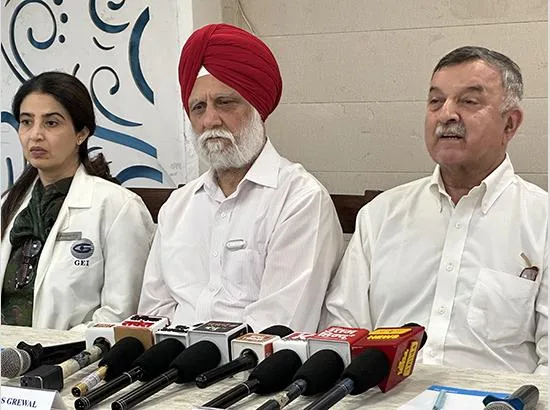
Grewal Eye Institute urges early detection and regular eye exams.
As World Diabetes Day approaches on November 14, the Grewal Eye Institute (GEI) in Chandigarh has issued a stark warning regarding the rising incidence of diabetic retinopathy (DR) among the diabetic population in India. This condition, which can lead to irreversible vision loss, is particularly concerning given that over one crore individuals may be at risk due to a lack of screening. The institute's findings highlight the urgent need for increased awareness and proactive health measures.
Recent statistics from the International Diabetes Federation (IDF) indicate that approximately 589 million adults globally were living with diabetes in 2024, a number projected to escalate to 853 million by 2050. In India alone, the diabetic population is expected to grow from 89.8 million in 2024 to around 156.7 million by 2050. This alarming trend underscores the importance of early detection and regular eye examinations to prevent avoidable blindness, as emphasized by GEI's public health initiative, Chirag.
Dr. S.P.S. Grewal, CEO of GEI, stressed that many individuals with Type 2 diabetes may already have diabetic retinopathy at the time of their diagnosis, often remaining undetected for years. He urged those living with diabetes to prioritize regular eye check-ups, even if their vision seems unaffected. The institute's experts noted that timely screening and treatment could prevent more than 90% of diabetes-related blindness, yet a significant gap in screening persists, particularly in rural areas.
A recent survey in rural Uttar Pradesh revealed that 84.8% of individuals aged 50 and older with diagnosed diabetes had never received retinal screening. Furthermore, only a small fraction of those with sight-threatening diabetic retinopathy had received necessary treatment. This gap highlights the critical need for integrating retinal screening into diabetes management protocols. Experts recommend comprehensive eye examinations for Type 2 diabetes patients at diagnosis and for Type 1 patients within five years of their diagnosis, with annual follow-ups thereafter.
In light of the upcoming Diwali celebrations, Dr. Parveen Sen from GEI cautioned against potential eye injuries from firecrackers, urging families to prioritize eye safety. To combat the rising threat of diabetic retinopathy, GEI is offering free diabetic eye screenings from November 5 to 21, 2026, as part of its Chirag initiative, which aims to enhance access to eye care in rural communities. The institute continues to advocate for awareness and regular screenings as essential components of diabetes management.