SAMPADA Reports Significant Drop in Anaemia Rates in India
New data reveals a notable decrease in anaemia prevalence across various demographics in India.
Anaemia prevalence in children aged 5-9 is reported at 31%.
The survey indicates a decline in anaemia among women from 57% to 56%.
SAMPADA data shows a drop in anaemia rates among men to 19%.
The latest findings from the SAMPADA survey reveal a significant reduction in anaemia prevalence across different age and gender groups in India. This data marks the first publication of anaemia statistics since the National Family Health Survey (NFHS) ceased to collect this information after its fifth round. The government had previously decided to withdraw the measure in favor of a more accurate venous blood test instead of the finger prick method.
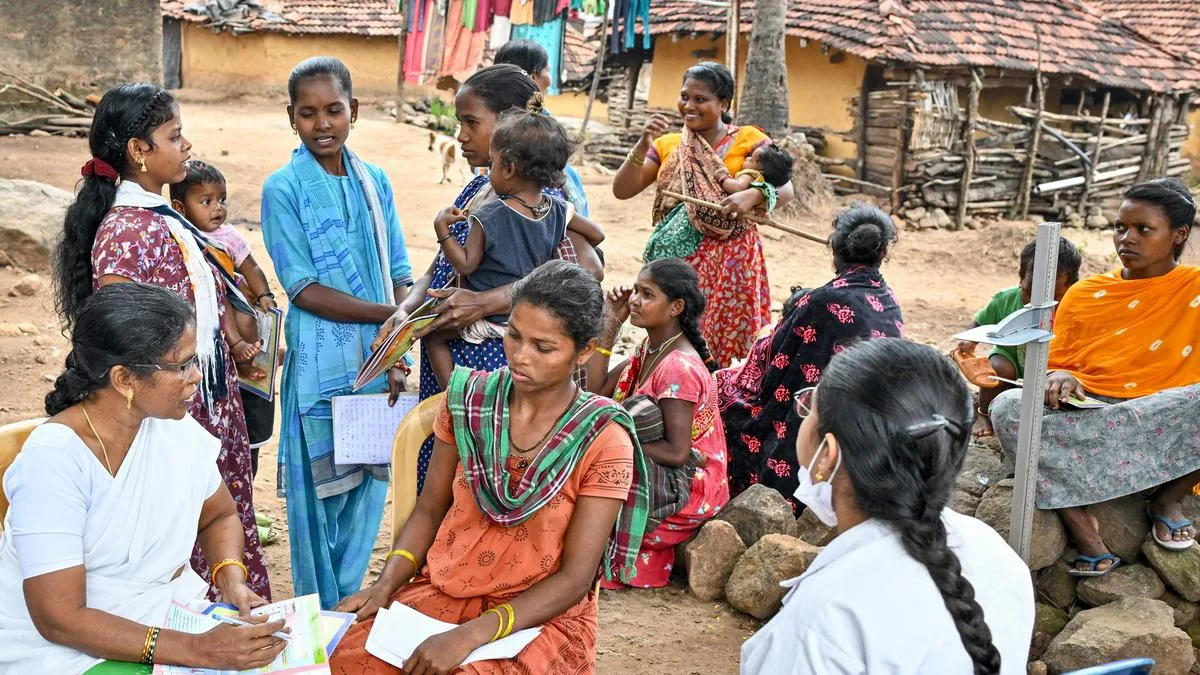
According to the SAMPADA data, the prevalence of anaemia among children aged 5 to 9 years stands at 31%. This figure represents a substantial decrease compared to earlier estimates. The survey also highlights that 46% of adolescent girls are affected, along with 55% of adult women up to 59 years of age, and 56% among women aged 60 and above. Furthermore, the prevalence among lactating women is reported at 58%.
The Ministry of Health and Family Welfare has emphasized the positive trends indicated by the SAMPADA survey. For instance, the prevalence of anaemia in children has significantly dropped to 41.8%, down from 64% as reported by the NFHS-5. In women, the figures have decreased slightly from 57% to 56%, while pregnant women now show a prevalence rate of 44%, down from 52%. Among men, anaemia rates have fallen to 19%, a reduction from the previous 25% recorded in NFHS-5.
These findings have important implications for public health in India, suggesting improvements in nutrition and health interventions aimed at reducing anaemia. The government’s efforts to reassess and improve data collection methods may also contribute to more accurate health assessments in the future.
Looking ahead, the Ministry plans to continue monitoring anaemia rates and implement targeted health programs to further reduce these figures. Future surveys are expected to provide ongoing insights into the health status of the population, particularly among vulnerable groups such as women and children.