Revolutionary AI-Assisted Brain Surgery Marks a New Era for NHS
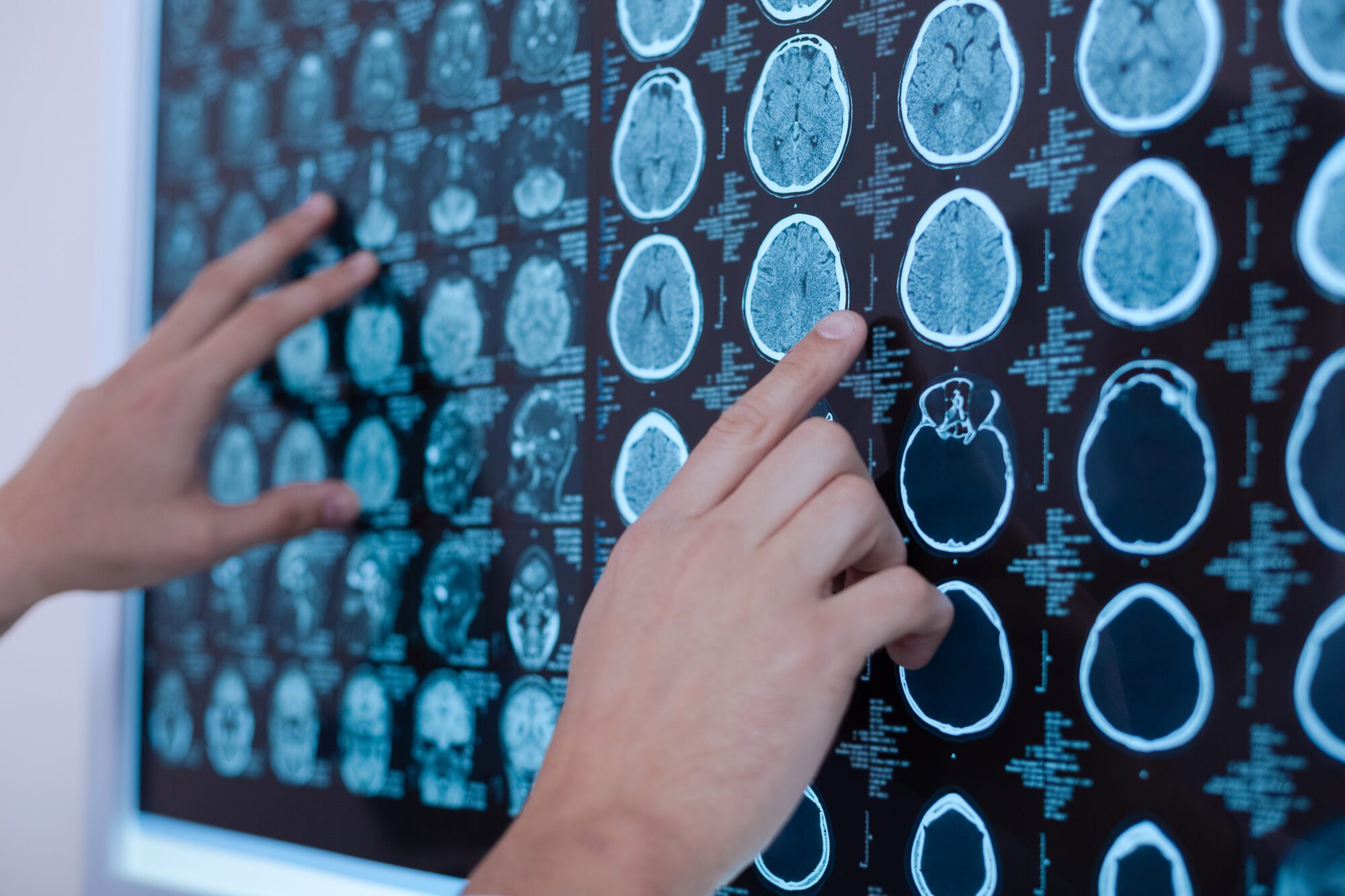
In a groundbreaking medical achievement, the world’s first AI-assisted brain surgery has successfully removed a tumor from a patient, showcasing the potential of artificial intelligence in enhancing surgical precision. This pioneering operation took place at University College London Hospitals, where 48-year-old Rhys Hibbert underwent the procedure to extract an 11mm non-cancerous tumor from his pituitary gland, which had been impairing his vision.
Why This Matters: The surgery utilized an AI system that provided real-time analysis of the surgical field, tracking instruments and identifying critical vessels and nerves. This technology serves as an invaluable tool for surgeons, enhancing their capabilities without replacing their expertise. Professor Hani Marcus, who led the operation, emphasized that the AI acted as a “second pair of eyes,” significantly improving the safety and effectiveness of the procedure.
The implications of this surgery extend beyond individual patient care. As the NHS grapples with integrating innovative technologies into routine practices, this operation exemplifies the potential for AI to transform healthcare delivery. Health Innovation Minister James Frith highlighted the importance of ensuring safety while embracing the opportunities AI presents. The government aims to leverage such advancements to enhance patient outcomes and streamline NHS operations.
However, the journey from successful trials to widespread adoption remains challenging. Key questions about accountability, data usage, and interoperability need to be addressed to facilitate the responsible integration of AI in healthcare. As stakeholders collaborate to overcome these hurdles, the focus will be on ensuring that innovations like AI-assisted surgery become a standard part of patient care, ultimately improving health services across the board.