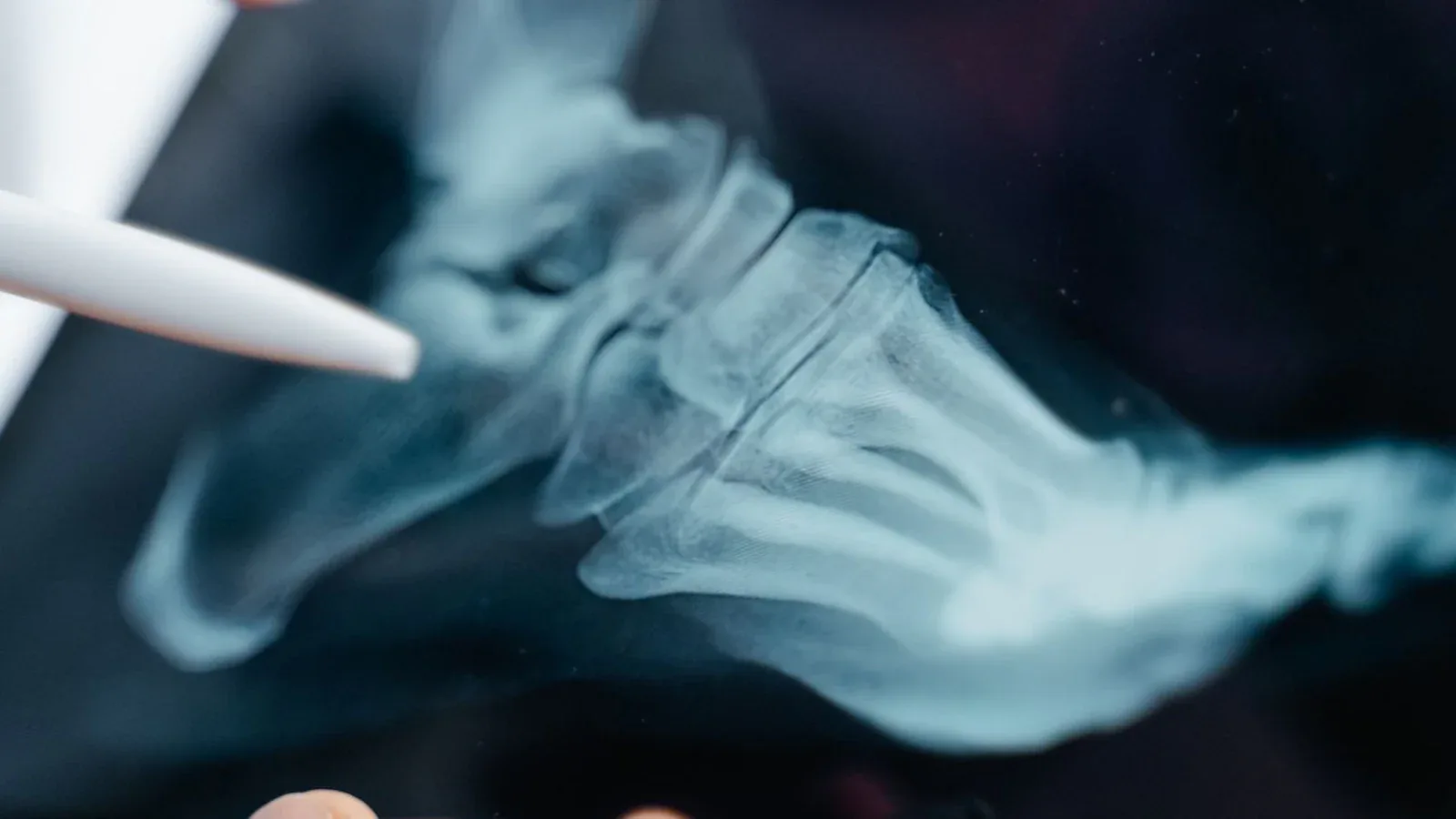
Osteoporosis Awareness: Key Symptoms and Prevention Strategies
Women in their 40s should be vigilant about osteoporosis as early symptoms can indicate significant bone loss.
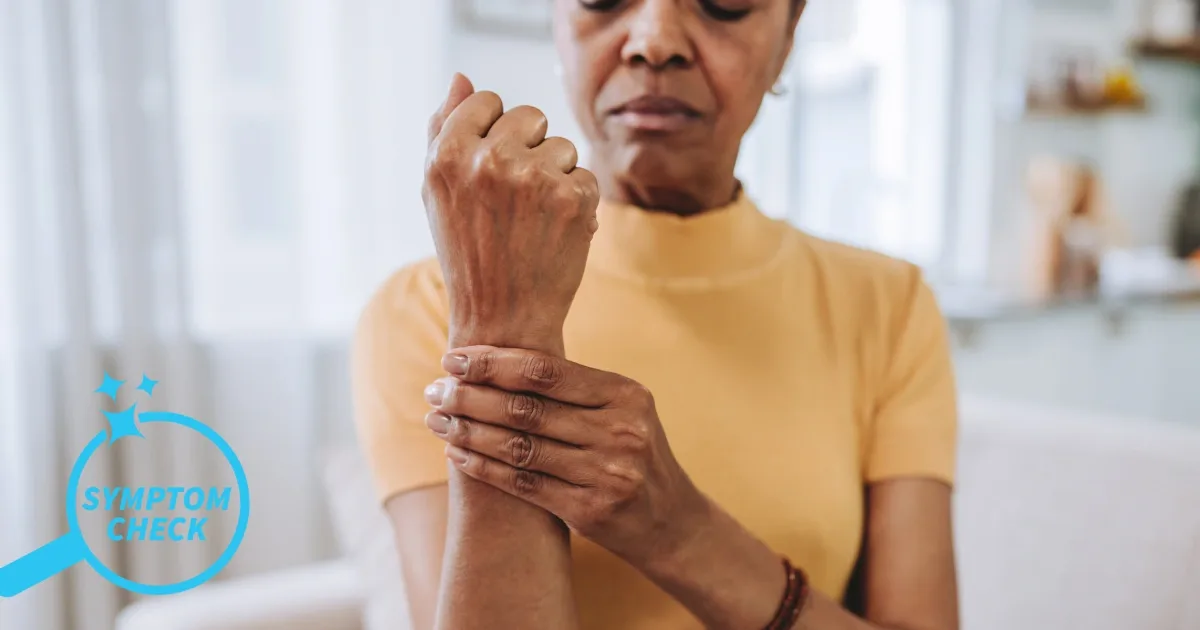
Rapid bone loss begins two years before menopause, affecting women's health significantly.
Common symptoms include fractures from minor falls and changes in height or posture.
Preventative measures include diet, exercise, and hormone therapy to maintain bone density.
Women in their 40s are urged to consider the implications of osteoporosis, a condition that often brings to mind elderly individuals but actually begins affecting bone health much earlier. According to Dr. Jocelyn Wittstein, an orthopedic surgeon at Duke Health, rapid bone loss can commence as early as two years prior to menopause, which typically occurs around age 51 in the United States. This decline is primarily triggered by the drop in estrogen levels, a hormone that plays a crucial role in maintaining bone density.
Dr. Wittstein emphasizes that during the transition from perimenopause to postmenopause, women can lose approximately 10% of their bone density. She highlights that this process is preventable through lifestyle changes, including regular exercise, a balanced diet rich in essential nutrients, and hormone therapy. Specifically, she notes that the late perimenopausal phase is critical for women to take proactive measures to protect their bone health.
The doctor identifies several symptoms that could indicate the onset of osteoporosis. A wrist fracture, for instance, is a significant marker of low bone density and can predict future fractures, particularly in the hip. Women experiencing such fractures should undergo a DEXA scan to assess their bone density, with screening recommended to start at age 50. Other signs include persistent bone pain during physical activity, noticeable loss of height, and changes in posture, which may indicate underlying bone issues.
The implications of osteoporosis extend beyond individual health, affecting mobility and independence. Dr. Wittstein warns that fractures can lead to a decline in activity levels, creating a negative cycle of health deterioration. Therefore, awareness and early detection are vital for women to manage their bone health effectively.
To combat osteoporosis, Dr. Wittstein recommends a comprehensive approach involving diet and exercise. Women over 50 should aim for adequate calcium and vitamin D intake, alongside regular resistance training to strengthen bones. Hormone therapy may also be beneficial for those experiencing significant bone loss. By adopting these strategies, women can significantly reduce their risk of osteoporosis and maintain their overall health as they age.