Only 4% of Obese Adults in US Meet Food Noise Criteria
A recent study reveals that a significant majority of obese adults in the U.S. do not meet the criteria for 'food noise,' a psychological phenomenon linked to persistent food-related thoughts.
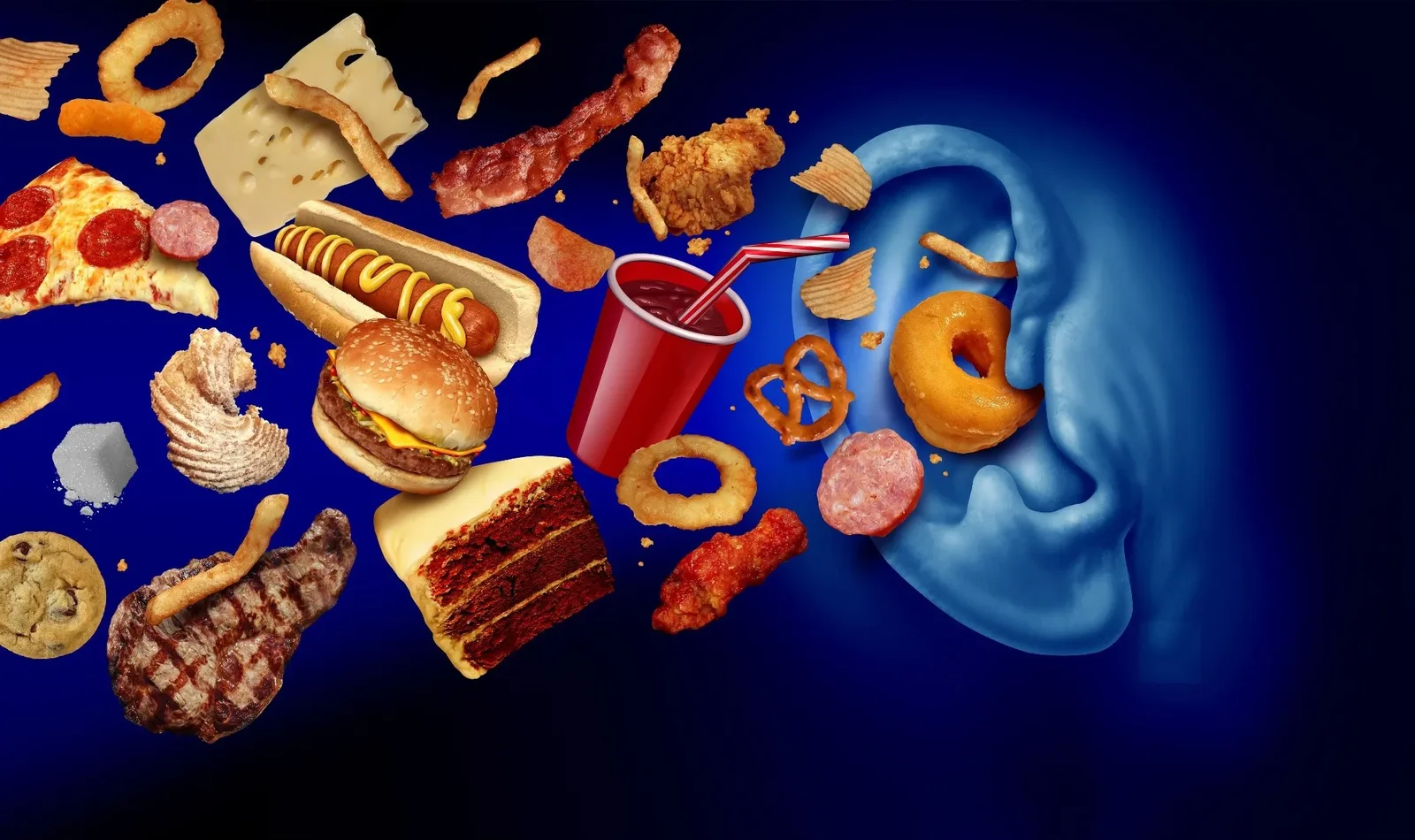
Approximately 4% to 9.5% of U.S. adults not on GLP-1 medications meet food noise criteria.
The study involved 3,646 participants, with 40.8% classified as obese.
Younger adults and women reported higher food noise scores than older adults.
A recent study conducted by researchers from Drexel University and the University of California, Irvine, has found that only a small percentage of U.S. adults with obesity meet the criteria for a phenomenon known as 'food noise.' This study, which analyzed data from the nationally representative NORC AmeriSpeak Panel, indicates that between 4% to 9.5% of adults not currently using glucagon-like peptide 1 (GLP-1) medications experience significant food-related thoughts that interfere with their daily lives.
Food noise is defined as persistent, unwanted thoughts about food that can lead to negative physical, mental, or social consequences. The concept gained attention following reports from patients who experienced a reduction in such thoughts after starting GLP-1RA treatments. The researchers utilized a five-item Food Noise Questionnaire (FNQ) to assess participants' experiences over the previous two weeks, focusing on the frequency and impact of these thoughts.
The study's sample comprised 3,646 adults, with women representing 53.9% of the participants. Among them, 40.8% were categorized as obese, while the remaining participants were classified as overweight, normal weight, or underweight. The findings revealed that endorsement of food noise criteria varied significantly; only 9.5% met the least stringent criteria, which required agreement with three FNQ items, while this number dropped to 4% under stricter definitions.
The implications of this study are noteworthy, particularly for public health and obesity management strategies. The results suggest that food noise is a prevalent issue among those with obesity, yet most individuals do not meet the criteria for it. Furthermore, the study highlights demographic trends, showing that younger adults and women tend to report higher food noise scores compared to older adults and men, indicating a potential area for targeted interventions.
Looking ahead, the researchers emphasize the need for further studies to explore the clinical relevance of food noise and its potential mechanisms. As the current study is cross-sectional, it cannot definitively establish a causal relationship between food noise and obesity. Future research is essential to determine whether food noise is distinct from other food-related behaviors, such as cravings or preoccupation with food.