Nitin Gupta: From IIT-JEE Topper to Mosquito Brain Researcher
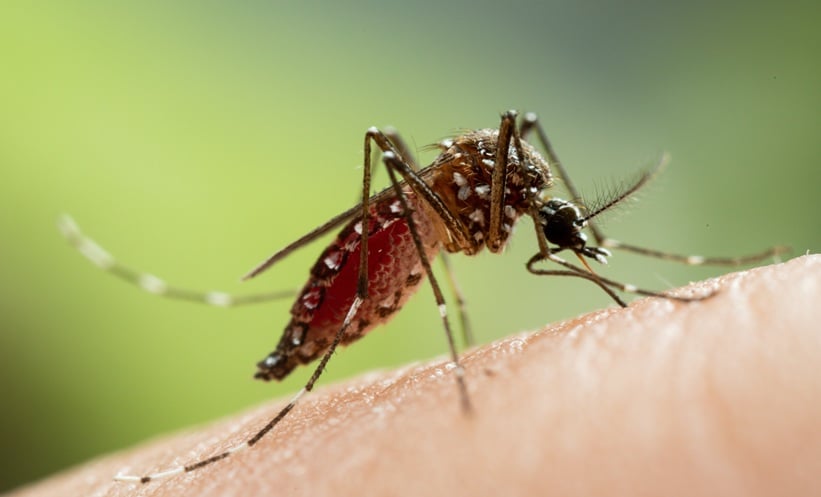
Nitin Gupta, who achieved All India Rank 1 in IIT-JEE 2000, has returned to IIT Kanpur to explore the complexities of mosquito brains and their behavioral responses.
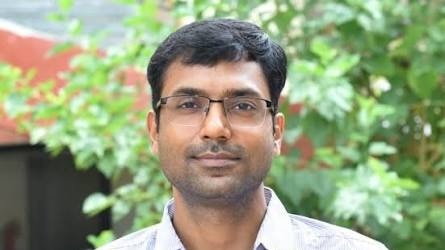
Nitin Gupta, IIT-JEE 2000 AIR 1, returned to IIT Kanpur in 2014.
His research focuses on the neural mechanisms of mosquitoes and their behavioral responses to odors.
Gupta also developed TreadWill, a cognitive behavioral therapy program for those with limited access to mental health resources.
Nitin Gupta, who secured the top position in the IIT-JEE in 2000, made a significant return to IIT Kanpur in 2014 after spending years abroad. His current research delves into the intricate workings of insect brains, particularly mosquitoes, to understand how their nervous systems process sensory information and influence behavior.
After graduating with a B.Tech in Computer Science from IIT Kanpur in 2004, Gupta pursued further studies at the University of California, San Diego, where he earned a PhD in Bioinformatics and Systems Biology. His academic journey took him from computer science to cognitive neuroscience, culminating in a postdoctoral position at the National Institutes of Health, where he focused on the electrical activity of neurons.
Gupta's research at IIT Kanpur investigates how mosquitoes differentiate between beneficial and harmful stimuli through their olfactory systems. His laboratory studies the antennal lobe of the mosquito brain, examining how neurons process and respond to various odors. A recent publication in Nature Communications highlighted the representation of individual odors by neurons in the antennal lobe of Aedes aegypti, shedding light on the connection between neural activity and behavior.
The implications of Gupta's work extend beyond entomology; he is also involved in developing mental health solutions. His team created TreadWill, an automated cognitive behavioral therapy program aimed at individuals with limited access to therapists. A randomized trial showed promising results, with participants experiencing reduced symptoms of anxiety and depression.
Looking ahead, Gupta's research continues to explore the neural mechanisms underlying both insect behavior and human mental health. His unique path from a top IIT student to a leading researcher exemplifies a commitment to advancing scientific understanding in diverse fields, emphasizing the importance of returning to one's roots to contribute meaningfully to society.