NHS to Expand Access to Oesophageal Cancer 'Sponge' Tests
New draft guidelines suggest wider availability of sponge tests for patients with persistent indigestion to detect oesophageal cancer.
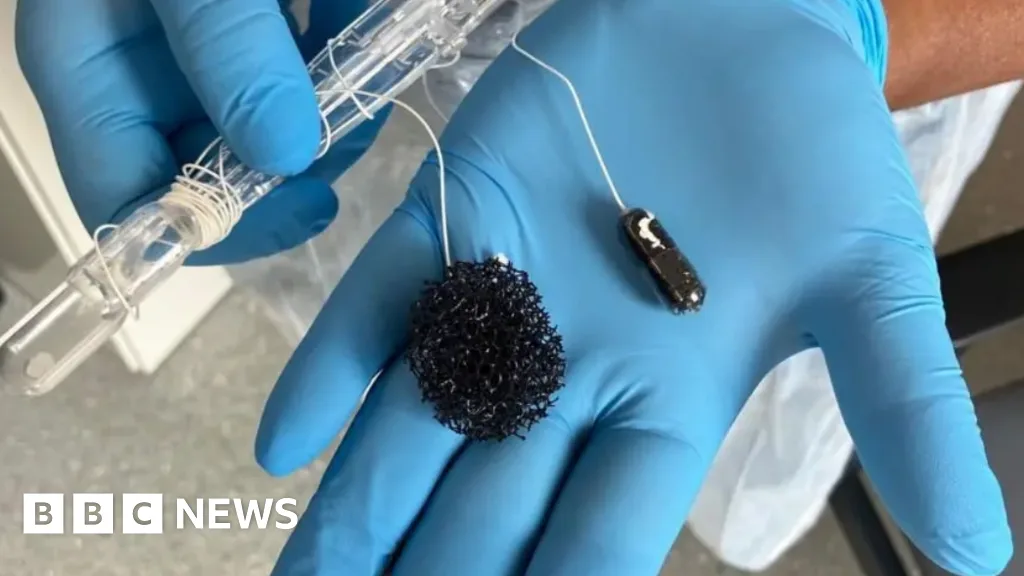
Sponge tests can be performed quickly in GP surgeries and are less invasive than traditional endoscopy.
Barrett's oesophagus, a condition linked to increased cancer risk, affects 1-2% of adults.
Final recommendations from NICE regarding the sponge tests are expected in the new year.
The National Health Service (NHS) in England is considering expanding access to innovative sponge tests designed to detect oesophageal cancer in individuals suffering from persistent indigestion. According to new draft guidelines, these tests could soon be available to a larger population, allowing for quicker and less invasive screening methods compared to traditional endoscopy procedures.
The sponge test involves patients swallowing a small capsule that releases a sponge to collect cells from the oesophagus. This method is particularly beneficial for those with Barrett's oesophagus, a condition that can lead to cancer over time. It is estimated that between 1% and 2% of adults have Barrett's oesophagus, although most will not develop cancer. The high demand for endoscopy services has led to some patients not receiving timely checks, making the sponge test a valuable alternative.
The National Institute for Health and Care Excellence (NICE) has noted that these tests can provide reassurance to patients and help identify those needing further investigation. Prof. Jonathan Benger, the chief executive of NICE, emphasized that sponge tests offer a quick and less invasive option for detecting concerning changes in the oesophagus lining. NHS England's national clinical director for cancer, Prof. Peter Johnson, highlighted the efficiency of the sponge test, stating that it could significantly reduce the need for more complex endoscopy procedures.
Despite the advantages of sponge tests, NICE has cautioned that no diagnostic test is foolproof. Individuals receiving a negative result will still require long-term monitoring to ensure any potential issues are caught early. The sponge tests are particularly aimed at those with reflux disease, which can lead to Barrett's oesophagus and increase the risk of oesophageal cancer.
Looking ahead, NICE is expected to finalize its recommendations regarding the sponge tests in early 2024. This initiative is part of the NHS's ongoing efforts to improve diagnostic methods and provide better care for patients experiencing symptoms related to oesophageal conditions.