New York Implements Disaster Emergency for Measles Surge
Governor Kathy Hochul has declared a disaster emergency in New York due to a significant rise in measles cases, effective from October 5, 2026.
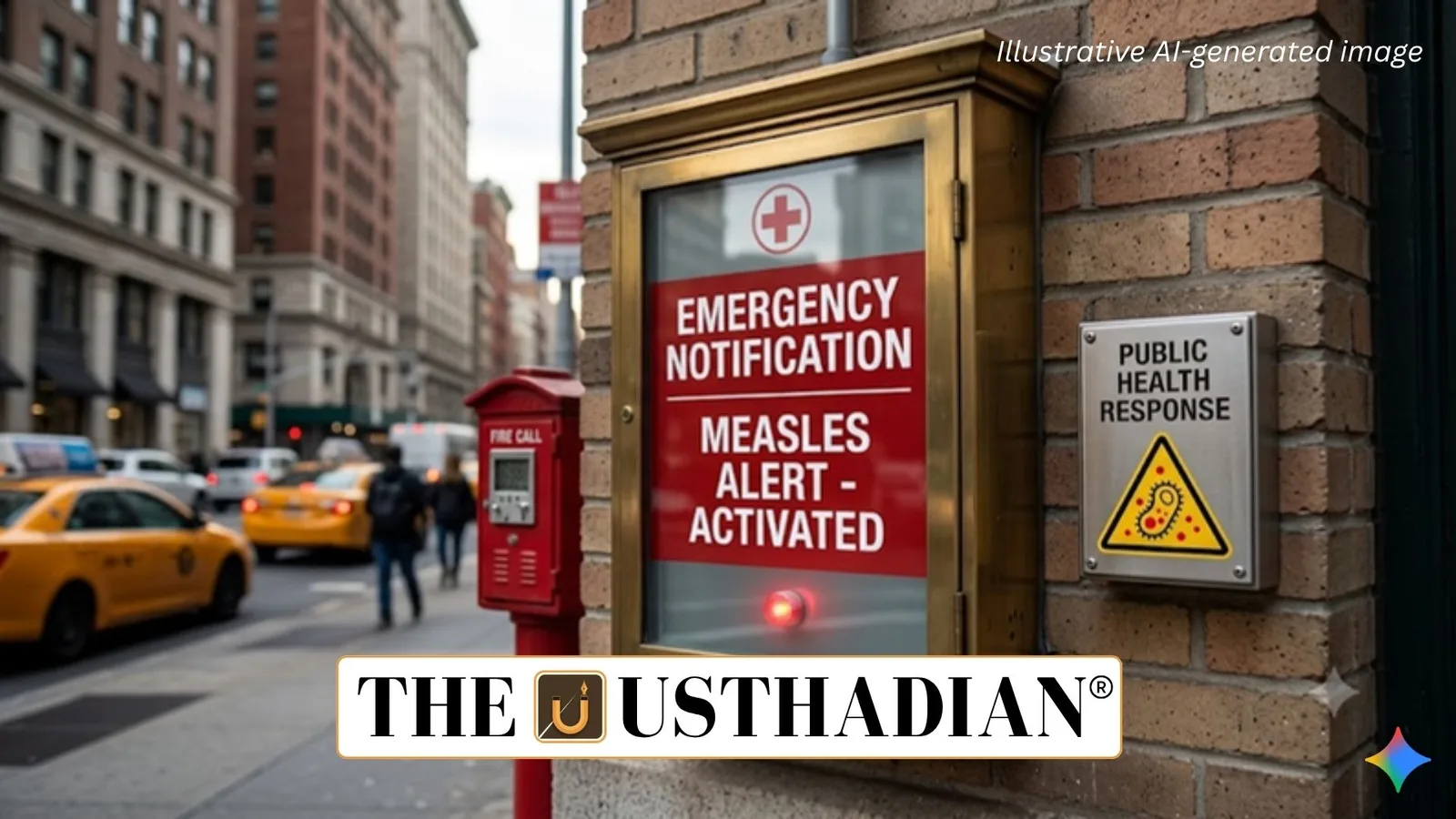
New York reports 108 measles cases as of October 3, 2026.
Emergency measures expand healthcare roles in testing and vaccination.
National measles cases reached 3,471 in 2026, highlighting a concerning trend.
In response to a notable increase in measles cases, New York Governor Kathy Hochul declared a statewide disaster emergency on October 5, 2026. This declaration is set to remain in effect until November 4, 2026, and aims to enhance the healthcare system's capacity to manage testing and vaccination efforts. The focus is particularly on communities with low vaccination rates, where access to immunization is critical.
As of October 3, 2026, New York has reported a total of 108 measles cases, with 101 of those occurring outside New York City. The surge in cases has been particularly pronounced in rural areas, where under-immunization has been a persistent issue. Since mid-July 2026, health authorities have documented 92 cases across 18 counties, prompting local health departments to administer over 1,000 doses of the MMR vaccine in these regions.
The emergency order grants expanded authority to healthcare professionals, allowing registered nurses to order measles tests for symptomatic patients and enabling pharmacists to administer the MMR vaccine to children aged two and older. Additionally, vaccination records must be submitted to health authorities within 72 hours, streamlining the reporting process while maintaining the requirement for patient consent for vaccination.
The rise in measles cases is not isolated to New York; nationwide figures indicate a troubling trend, with 3,471 cases reported in the United States for 2026. This marks a significant increase compared to previous years, with only 2,289 cases in 2025 and a mere 285 in 2024. The Centers for Disease Control and Prevention (CDC) emphasizes the importance of maintaining high vaccination coverage to prevent outbreaks, especially in areas with insufficient immunization rates.
Looking ahead, health officials are focusing on increasing vaccination efforts and public awareness campaigns to combat the outbreak. The situation will be closely monitored as the emergency measures are implemented, with further assessments expected before the emergency declaration concludes on November 4, 2026.