New Study Reveals Gut Impact of 39 Sweeteners
Research from the University of Cambridge uncovers how common sweeteners can disrupt gut bacteria, especially when combined with medications.
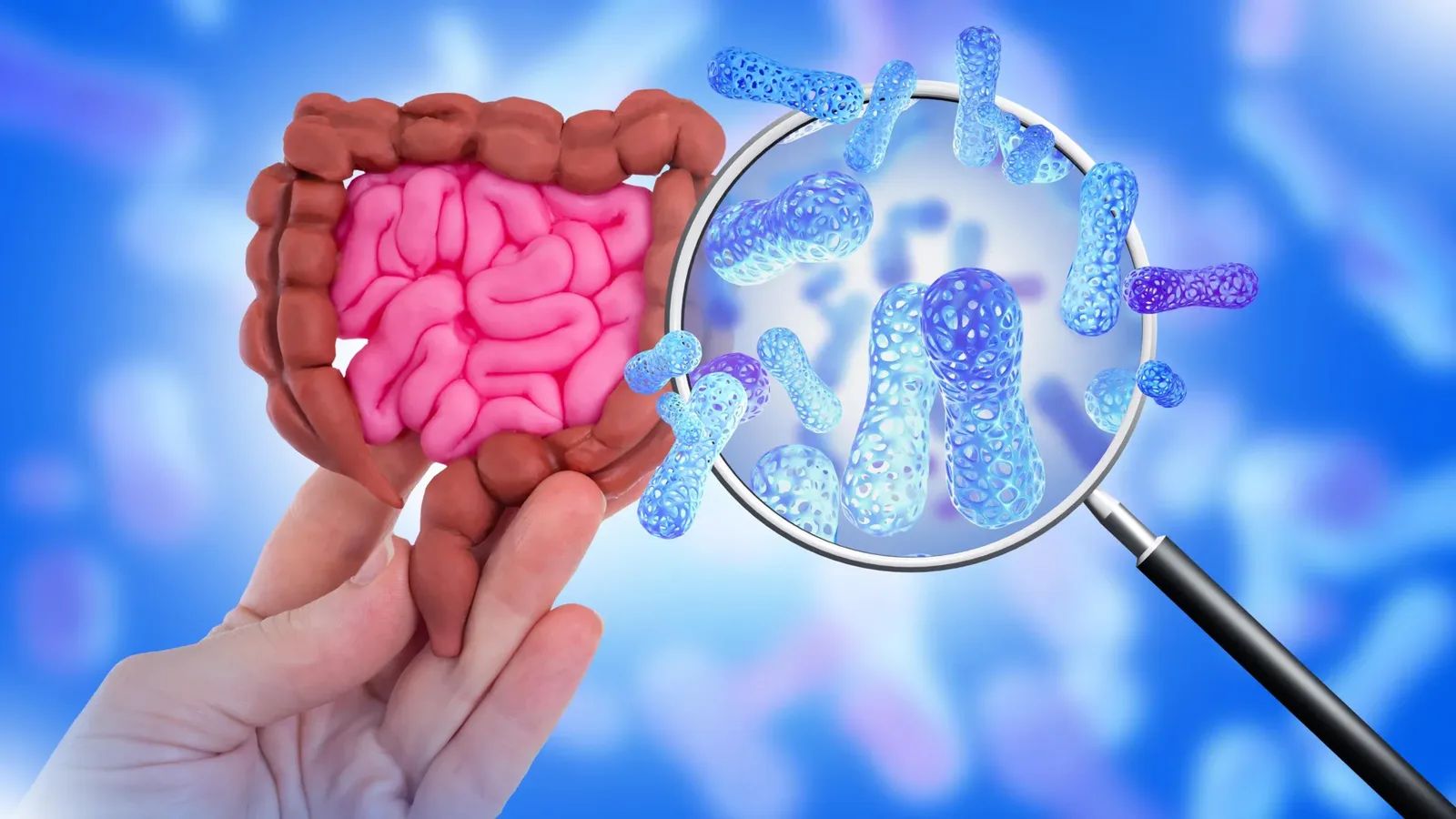
Three-quarters of tested sweeteners altered gut bacteria growth.
Isosteviol combined with duloxetine notably reduced beneficial bacteria.
Further research is needed to assess real-world health implications.
A recent study conducted by researchers at the University of Cambridge has revealed that a significant number of common sweeteners can adversely affect gut bacteria. Published on October 17, 2026, this research tested 39 different sweeteners and their interactions with 25 species of gut bacteria, finding that approximately 75% of the sweeteners influenced the growth of at least one bacterial species. Notably, the sweetener isosteviol, when mixed with the antidepressant duloxetine, demonstrated a marked suppression of beneficial gut bacteria, raising concerns about the potential implications for digestive health and immunity.
The study highlights a growing body of evidence suggesting that sweeteners, often marketed as healthier alternatives to sugar, may have unintended consequences on gut microbiota. Previous research has linked sweetener consumption to various health issues, including type 2 diabetes and obesity, but the mechanisms behind these associations remain unclear. This study is particularly significant as it directly examines the effects of sweeteners on gut bacteria, a topic that has been largely overlooked in prior investigations.
During the experiments, researchers observed that certain sweeteners inhibited the growth of beneficial bacteria, which are crucial for maintaining a healthy digestive system. The combination of isosteviol and duloxetine was particularly alarming, as it not only suppressed specific bacteria but also disrupted the overall balance of the gut microbiome. This disruption could potentially lead to increased inflammation and altered immune responses, although the researchers caution that these findings are based on laboratory conditions and further studies are necessary to confirm their relevance in human health.
The implications of these findings are significant for public health, especially as sweeteners are widely used in various food and beverage products. The research suggests that the interactions between sweeteners and medications could complicate health outcomes, particularly for individuals consuming both. As sweeteners become increasingly prevalent in diets worldwide, understanding their impact on gut health is crucial for developing dietary guidelines and recommendations.
Looking ahead, the researchers emphasize the need for further studies to explore the real-world effects of sweeteners on human health. They aim to investigate how these substances interact within the complex environment of the human gut, which contains a diverse array of microorganisms. As Professor Kiran Patil noted, this research lays the groundwork for future inquiries into how sweeteners might influence health in ways that are not yet fully understood.