New Study Links Peanut Consumption to Reduced Type 2 Diabetes Risk
Research indicates that eating peanuts may lower the risk of type 2 diabetes by influencing blood lipid profiles.
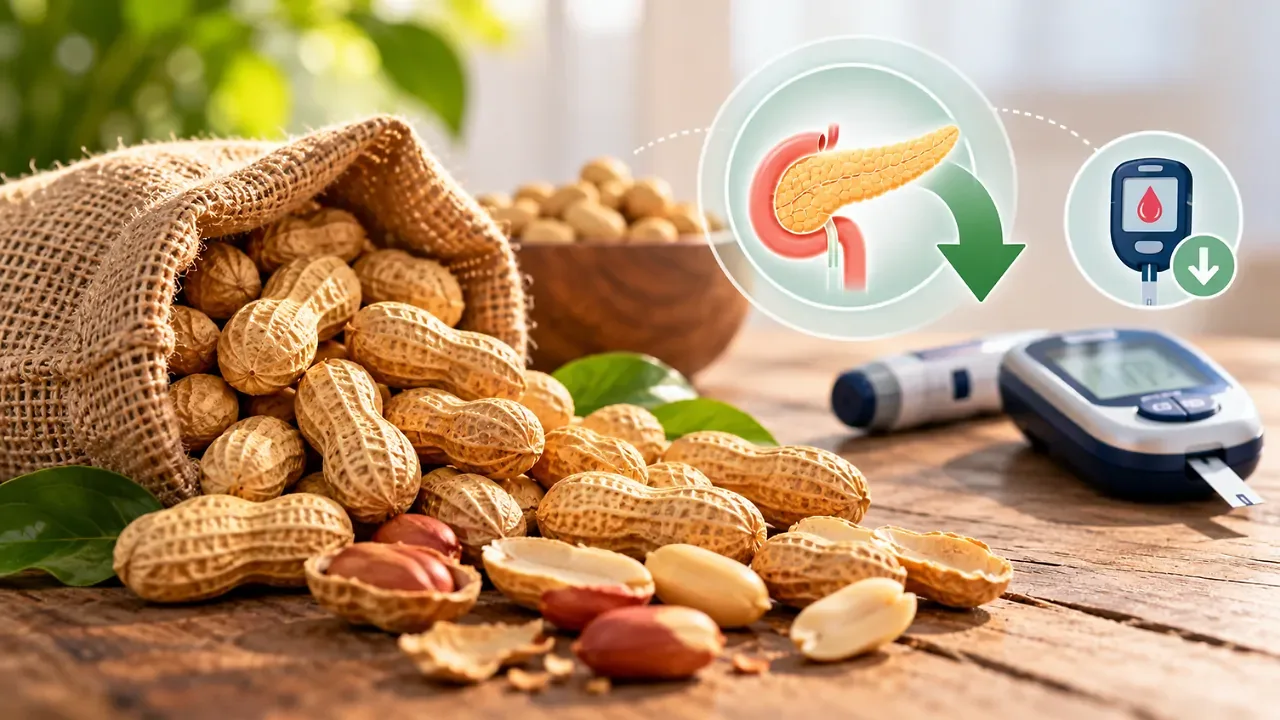
Peanut consumption alters blood lipid profiles, potentially reducing diabetes risk.
The study involved a six-month dietary intervention with 63 participants.
Body mass index plays a significant role in the association between peanuts and diabetes risk.
A recent study published in The American Journal of Clinical Nutrition has found a potential link between peanut consumption and a reduced risk of developing type 2 diabetes. Conducted by researchers from the German Institute of Human Nutrition and the University of Barcelona, the study analyzed data from two significant research projects, including a clinical trial and a large cohort study, to explore how peanuts affect blood lipid levels and their implications for cardiometabolic health.
The clinical trial, known as the ARISTOTLE study, involved 63 healthy adults aged between 18 and 33, who were assigned to consume either 25 grams of skin-roasted peanuts, 32 grams of peanut butter, or a control butter for six months. Researchers measured changes in blood lipids before and after the intervention. Additionally, the EPIC-Potsdam cohort study provided data on over 27,000 individuals, including cases of newly diagnosed type 2 diabetes and cardiovascular disease, allowing researchers to investigate the broader implications of peanut consumption on health outcomes.
The findings revealed that peanut consumption significantly altered 51 groups of fatty acids, particularly those containing very-long-chain saturated fatty acids (VLCSFAs). This change was characterized as a complex remodeling of the lipid profile rather than a mere increase in fat levels. Dr. Inés Domínguez-López, the study's lead author, emphasized that the specific lipid changes associated with peanut intake could serve as a biological marker linking dietary fat quality to metabolic health. Notably, a higher peanut lipidomic signature was correlated with an 11% lower risk of type 2 diabetes, although no similar association was found for cardiovascular disease.
Body mass index (BMI) was identified as a crucial factor in understanding the relationship between peanut consumption and diabetes risk. Researchers estimated that BMI could account for approximately 89% of the association observed, suggesting that maintaining a healthy body weight may enhance the metabolic benefits of peanuts. Domínguez-López noted that the positive effects of peanut-derived lipids might be linked to their role in supporting healthier body weight and stabilizing metabolic processes related to fat accumulation.
While the study highlights the potential benefits of incorporating peanuts into a balanced diet, it does not establish a direct causal relationship between peanut consumption and diabetes prevention. The intervention was limited to a small group of young, healthy adults, and the findings regarding disease risk were derived from a separate observational cohort. Therefore, further research is needed to clarify the mechanisms behind these associations and their broader implications for public health.