New Study Links Air Pollution to Lung Cancer Risk in Non-Smokers
Recent research reveals how fine particulate matter in polluted air may promote lung cancer even in individuals who have never smoked.
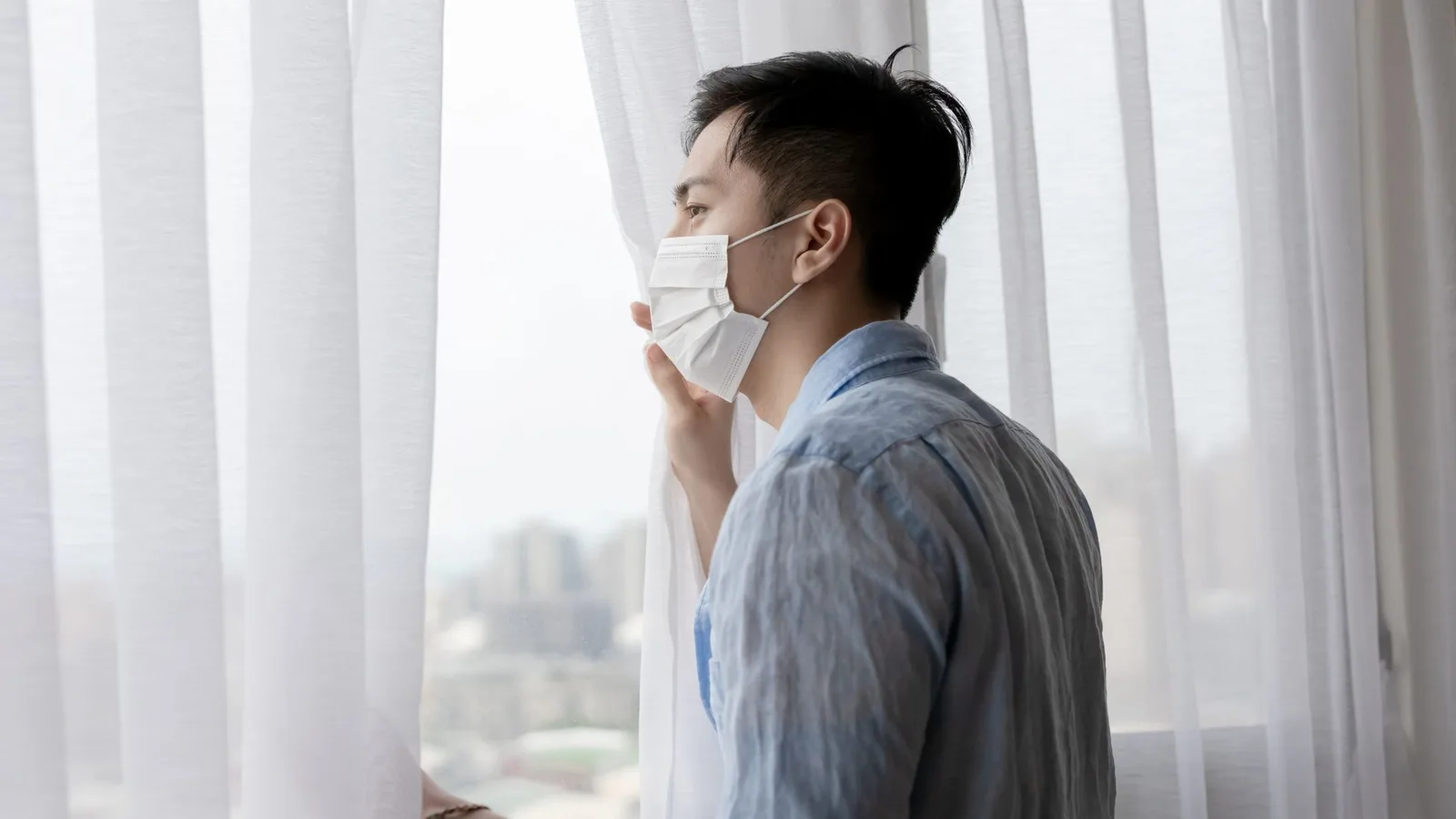
Air pollution, particularly PM2.5, is classified as carcinogenic by the International Agency for Research on Cancer.
The study identifies inflammation and immune response as key factors in the development of lung cancer from air pollution.
Older adults and genetically predisposed individuals are at higher risk, highlighting the need for revised screening guidelines.
A recent review published in 'The Innovation' has shed light on the alarming connection between air pollution and lung cancer, particularly in non-smokers. Led by Kezhong Chen from Peking University People’s Hospital, the study consolidates existing research to illustrate how fine particulate matter, specifically PM2.5, can create an environment conducive to the growth of cancerous cells. This review emphasizes that even individuals who have never smoked are at risk due to the pervasive nature of air pollution.
The review underscores the established link between outdoor air pollution and cancer, with the International Agency for Research on Cancer categorizing particulate matter as a human carcinogen. PM2.5 particles, which are 2.5 micrometers or smaller, can penetrate deep into the lungs, leading to significant health risks. Research indicates that for every additional 10 micrograms of PM2.5 per cubic meter, the lung cancer rate can increase by 7-16%. This data highlights the public health implications of air quality, especially in urban areas with high pollution levels.
In its findings, the study details how PM2.5 particles can alter the behavior of lung cells, particularly those with existing mutations. Experiments have shown that these particles attract immune cells, which release inflammatory signals that can promote tumor growth. This suggests that pollution not only causes DNA damage but also fosters the proliferation of already mutated cells, complicating the cancer development process.
The implications of this research extend beyond individual health, as it raises concerns about public health policies and screening practices. The study indicates that older adults and those with a genetic predisposition to lung cancer are particularly vulnerable to the effects of air pollution. This calls for a reevaluation of current screening guidelines, which often prioritize smoking history over other risk factors such as environmental exposure.
Looking ahead, the authors advocate for more comprehensive studies that differentiate the effects of pollution from other risk factors, such as occupational hazards and indoor smoke. They also emphasize the need for better exposure tracking through wearable technology and improved models to simulate long-term exposure effects. As awareness of the risks associated with air pollution grows, public health initiatives may need to adapt to include pollution exposure as a significant factor in lung cancer risk assessments.