New Study Identifies Behavioral Subtypes Linked to Autism in Zebrafish
A recent study reveals three behavioral subtypes in zebrafish influenced by autism-related genes, utilizing advanced deep-learning techniques.
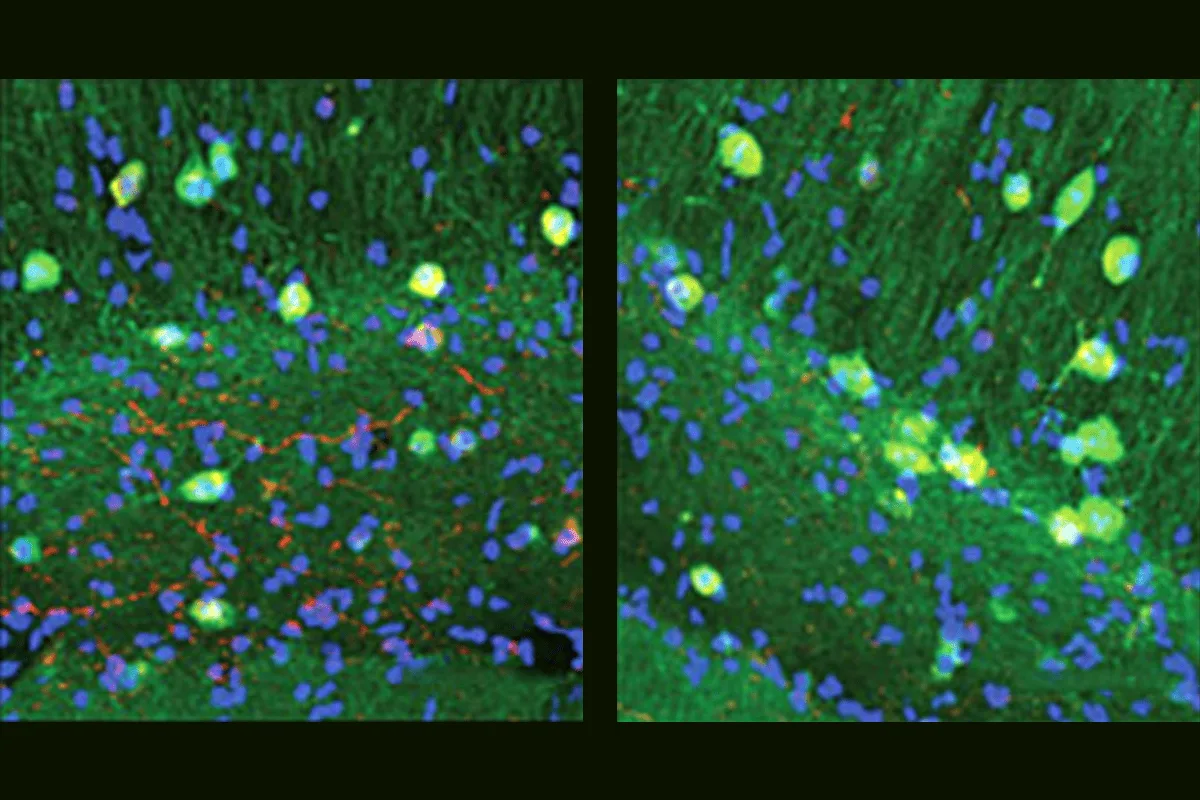
The study categorizes behaviors linked to 11 autism-associated genes in zebrafish.
ZeChat, a deep-learning program, was employed to classify social behaviors and drug responses.
Researchers emphasize the potential of this approach for precision therapeutic discovery.
A groundbreaking study has identified three distinct behavioral subtypes in zebrafish, linked to 11 different genes associated with autism. Conducted by a team of researchers, the study utilized a deep-learning program known as ZeChat to classify various social behaviors exhibited by the zebrafish. This classification was found to correlate with specific responses to neuroactive drugs, providing insights into the behavioral phenomics of autism.
The research builds on previous work reported by The Transmitter, which highlighted the development of the ZeChat program for analyzing zebrafish behaviors. By leveraging advanced machine learning techniques, the researchers aimed to deepen the understanding of how genetic factors influence social interactions in these aquatic models, which are increasingly used in autism research.
Key findings from the study indicate that the behavioral subtypes identified not only reflect genetic influences but also have implications for therapeutic approaches. The investigators assert that their behavioral phenomics methodology lays a conceptual and technical groundwork for precision therapeutic discovery, potentially paving the way for targeted treatments in autism.
In addition to this study, several other autism-related research papers have emerged recently. These include investigations into the role of epigenetic repressors in human neural development and the connectivity profiles of brain regions in autism spectrum disorder. Such studies contribute to a broader understanding of the complex genetic and environmental factors that influence autism.
Looking ahead, the implications of this research extend beyond zebrafish to human applications. As researchers continue to explore the genetic underpinnings of autism, the insights gained from studies like this one may inform future therapeutic strategies. The ongoing development of tools like ZeChat could enhance the precision of autism research, ultimately benefiting individuals affected by the disorder.