New Insights into ECHS1 Deficiency Reveal Liver's Role in Epilepsy Symptoms
Recent research uncovers the complex interplay between the liver and brain in ECHS1 deficiency, a rare genetic epilepsy affecting children.

ECHS1 deficiency is a genetic disorder with no approved treatment, leading to severe developmental issues in children.
A new animal model allows researchers to study the disease's progression by examining the liver, blood, and brain simultaneously.
Findings indicate that symptoms may arise from both brain damage and metabolic issues in the liver, highlighting the need for targeted therapies.
Recent research has revealed that ECHS1 deficiency, a rare genetic disorder, involves not only the brain but also the liver in driving its debilitating symptoms. Traditionally, epilepsy has been viewed as a condition confined to the brain; however, this study suggests a more intricate relationship where the liver plays a significant role in the disease's progression.
ECHS1 deficiency arises from mutations in the ECHS1 gene, inherited in a recessive manner. Affected children often experience developmental delays, low muscle tone, seizures, and poor growth, with no approved treatments available. The rarity of this disorder has limited scientific understanding, as only one complete post-mortem examination of an ECHS1 deficiency patient has been conducted, leaving researchers with minimal insight into the disease's internal mechanisms.
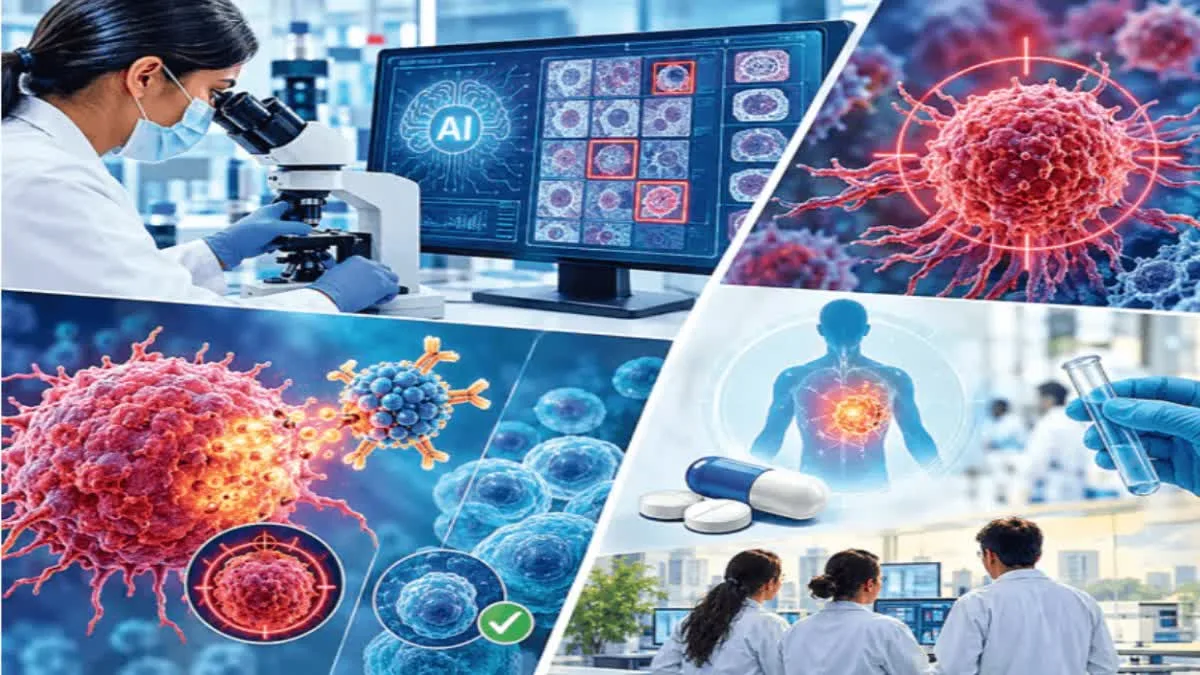
To advance research, scientists have developed an animal model of ECHS1 deficiency, enabling them to observe the disease's progression in a controlled environment. By employing techniques like mass spectrometry and magnetic resonance spectroscopy, they measured metabolic changes in the liver, blood, and brain simultaneously. This comprehensive approach marks a significant shift from previous studies that focused solely on the brain, allowing for a better understanding of how various organs may interact in the context of this disorder.
The study's findings revealed that while the brain structure of early-stage animals appeared normal, older animals exhibited signs of neuroinflammation, indicated by increased microglial activation. This aligns with patterns observed in human patients, where neurological symptoms worsen over time. Additionally, many patients show signs of liver dysfunction, although the underlying mechanisms remain poorly understood. By examining both the liver and brain, researchers aim to differentiate between symptoms caused by brain damage and those stemming from metabolic issues in the liver, which is crucial for developing effective treatments.
For families affected by ECHS1 deficiency, this research represents a hopeful step toward more targeted treatment options. Understanding the dual involvement of the liver and brain in the disease opens avenues for more personalized therapies, moving away from a one-size-fits-all approach that may overlook critical aspects of the condition.