New Hypothesis Links Lung-Brain Communication to Epilepsy Risk
A recent study suggests that interactions between the lungs and brain may explain how air pollution influences epilepsy.
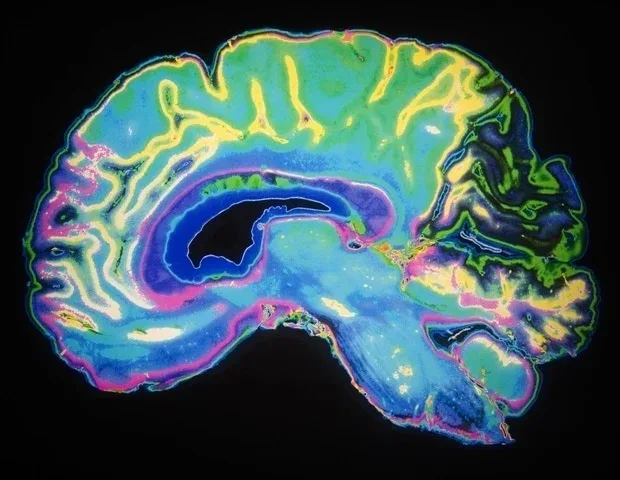
Research highlights a potential lung-brain axis affecting seizure susceptibility.
One-third of epilepsy patients do not respond to current treatments.
Future studies are needed to establish causality and explore interventions.
A groundbreaking review published in the journal Genes & Diseases proposes a novel hypothesis linking communication between the lungs and the brain to the influence of air pollution on epilepsy. Researchers from Chongqing Medical University and Monash University have outlined what they term the lung-brain axis hypothesis, suggesting that inhaled pollutants and changes in lung microbiota may contribute to increased seizure susceptibility.
This perspective addresses a significant gap in epilepsy management, as approximately one-third of patients continue to suffer from seizures despite being on antiseizure medications. The review emphasizes the importance of understanding how environmental factors, particularly air pollution, interact with neurological health, potentially revealing new avenues for prevention and treatment.
Central to this hypothesis is the lung microbiome, which consists of various microorganisms residing in the respiratory system. Exposure to pollutants, particularly fine particulate matter (PM2.5), can disrupt this microbial community and lead to inflammation. The researchers propose that such disturbances may send signals to the brain, affecting the normal functioning of nerve cells and potentially increasing the risk of seizures.
The review identifies five potential pathways for communication between the lungs and the brain: the transfer of microorganisms or their products into the bloodstream, immune and inflammatory signaling, communication via the vagus nerve, alterations in stress hormone regulation, and changes in metabolic processes. These pathways could collectively influence brain inflammation, compromise the blood-brain barrier, and alter the chemical balance that regulates neuronal excitability.
While existing studies have shown associations between air pollution and epilepsy, and animal experiments have demonstrated links between lung disturbances and brain inflammation, direct evidence connecting changes in lung microbiota due to pollution with epilepsy remains scarce. The researchers emphasize the need for future studies to establish causality, investigate the role of microbial changes in lowering seizure thresholds, and explore lung microbiome patterns in individuals with epilepsy. Longitudinal studies could help differentiate the effects of pollution from other factors. Additionally, the framework suggests potential interventions targeting inflammation or microbial balance, although these concepts require further experimental validation before being integrated into epilepsy care.