Measles Incidence Surges: U.S. Reports 5,412 Cases in 2026
The U.S. sees a dramatic rise in measles cases, raising concerns about vaccination rates and public health measures.
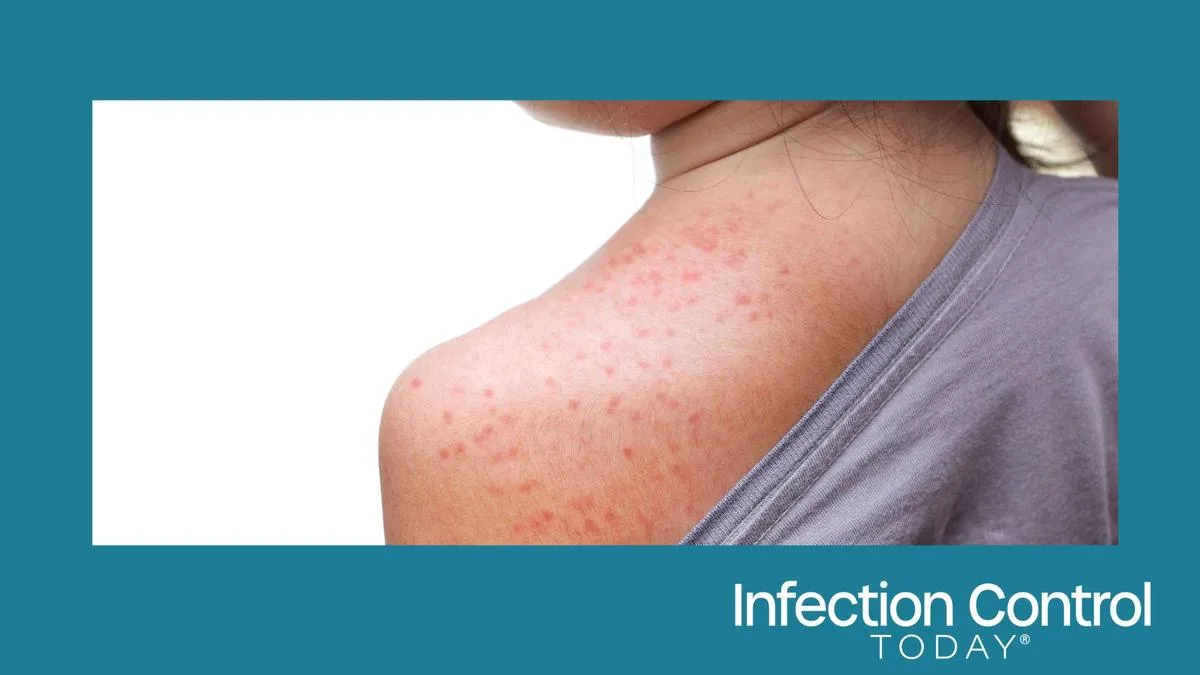
Measles cases in the U.S. reached 5,412 by November 2026, a significant increase from previous years.
Vaccination rates have declined, with kindergarten MMR coverage dropping to 92.4% in 2025-2026.
New federal directives aim to address vaccination policies and improve public health responses.
The United States has experienced a concerning rise in measles cases, with 5,412 reported by November 2026, marking a staggering increase from 285 cases in 2024. This surge has raised alarms among public health officials, as the trend indicates a potential return to endemic status if vaccination rates do not improve. The CDC attributes the elimination of measles in the U.S. to high vaccination coverage, but recent data shows a decline in the number of children receiving the measles, mumps, and rubella (MMR) vaccine.
Historically, the U.S. achieved measles elimination in March 2000, credited to a robust two-dose vaccination schedule initiated in 1989. However, the Americas region lost its elimination status in 2018 and 2019 due to endemic transmission in Venezuela and Brazil. Although Brazil managed to interrupt transmission by 2024, the ongoing challenges highlight the need for consistent vaccination efforts to maintain elimination status.
During the 2025-2026 school year, only 92.4% of kindergartners received their MMR vaccine, leaving approximately 280,000 children vulnerable to infection. In response to the declining vaccination rates, the CDC's acting director approved a revised childhood vaccination schedule in January 2026, which has since faced legal challenges. The current schedule recommends two doses of the MMR vaccine, with the first dose administered at 12 to 15 months and the second at 4 to 6 years.
The implications of rising measles cases extend beyond individual health, affecting public health systems and community safety. The increase in cases has been particularly pronounced among adults aged 20 and older, who now account for 41% of infections. This shift in demographics underscores the importance of addressing vaccination gaps in all age groups. Additionally, the rise in kindergarten vaccination exemptions has further complicated efforts to control outbreaks, with exemptions increasing from 3.6% to 4.2% in the recent school year.
Looking ahead, public health officials are focused on reversing the trend of declining vaccination rates. Federal Executive Orders have been issued to update vaccination schedules and encourage state compliance with federal recommendations. However, the timeline for implementing new policies remains uncertain. As the U.S. grapples with these challenges, the importance of vaccination as a primary defense against measles cannot be overstated, with ongoing efforts needed to ensure that all children receive the recommended doses to prevent further outbreaks.