Mayo Clinic's AI Detects Pancreatic Cancer 475 Days Earlier
A groundbreaking AI system from Mayo Clinic identifies pancreatic cancer signs significantly earlier than traditional methods.
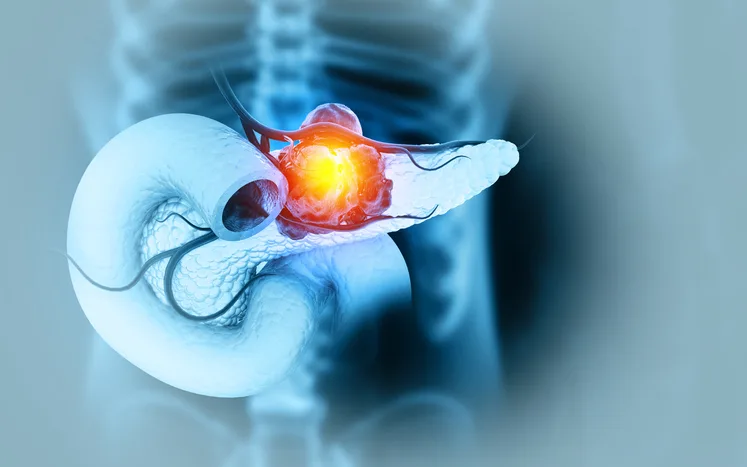
The REDMOD AI system detects pancreatic cancer an average of 475 days before standard diagnosis.
It is nearly twice as sensitive as experienced radiologists in identifying early-stage cancer.
Further research is needed before the AI can be integrated into routine medical practice.
A team from Mayo Clinic has developed an innovative AI system named REDMOD that can detect signs of pancreatic cancer much earlier than conventional diagnostic techniques. This system has shown the ability to identify 'stage 0' indicators of the disease an average of 475 days prior to a formal diagnosis, outperforming seasoned radiologists by nearly double in sensitivity. The implications of this technology could significantly enhance treatment outcomes for a cancer type known for its high mortality rate.
Historically, pancreatic ductal adenocarcinoma, the most prevalent form of pancreatic cancer, is often diagnosed only after it has progressed to an advanced stage, making effective treatment challenging. The REDMOD system employs radiomics to analyze intricate patterns in pancreatic tissue that are typically undetectable by standard computed tomography (CT) scans. Unlike traditional methods, which require manual tracing of the pancreas, REDMOD automates this process, thereby reducing variability and saving time.
The research team, led by Dr. Ajit Harishkumar Goenka, conducted evaluations on abdominal CT scans from 219 patients who were later diagnosed with pancreatic cancer, despite no initial signs being detected by radiologists. The scans were taken at various intervals before diagnosis, with a significant proportion obtained up to three years prior. Notably, the AI system demonstrated an impressive ability to classify scans from individuals without cancer, achieving over 81% accuracy in distinguishing cancer-free cases.
The potential impact of REDMOD extends beyond individual patient care; it may reshape early detection protocols for pancreatic cancer, which is critical given the disease's rapid progression. The findings suggest that the AI could serve as a vital tool in identifying at-risk patients, particularly those with unexplained weight loss or new-onset diabetes. However, the researchers stress that additional studies are essential to validate the system's effectiveness in diverse patient populations.
Looking ahead, the Mayo Clinic team plans to conduct prospective studies to further assess REDMOD's performance in high-risk individuals. They aim to address key questions regarding the AI's signals and how physicians should respond when conventional imaging appears normal. These considerations are crucial for the successful integration of AI into clinical practice, ensuring that it complements rather than complicates the diagnostic process.