Mammogram Guidelines for Women Under 40: Key Insights for 2026
Explore the latest recommendations on mammograms, including when to start and what to expect during the screening process.
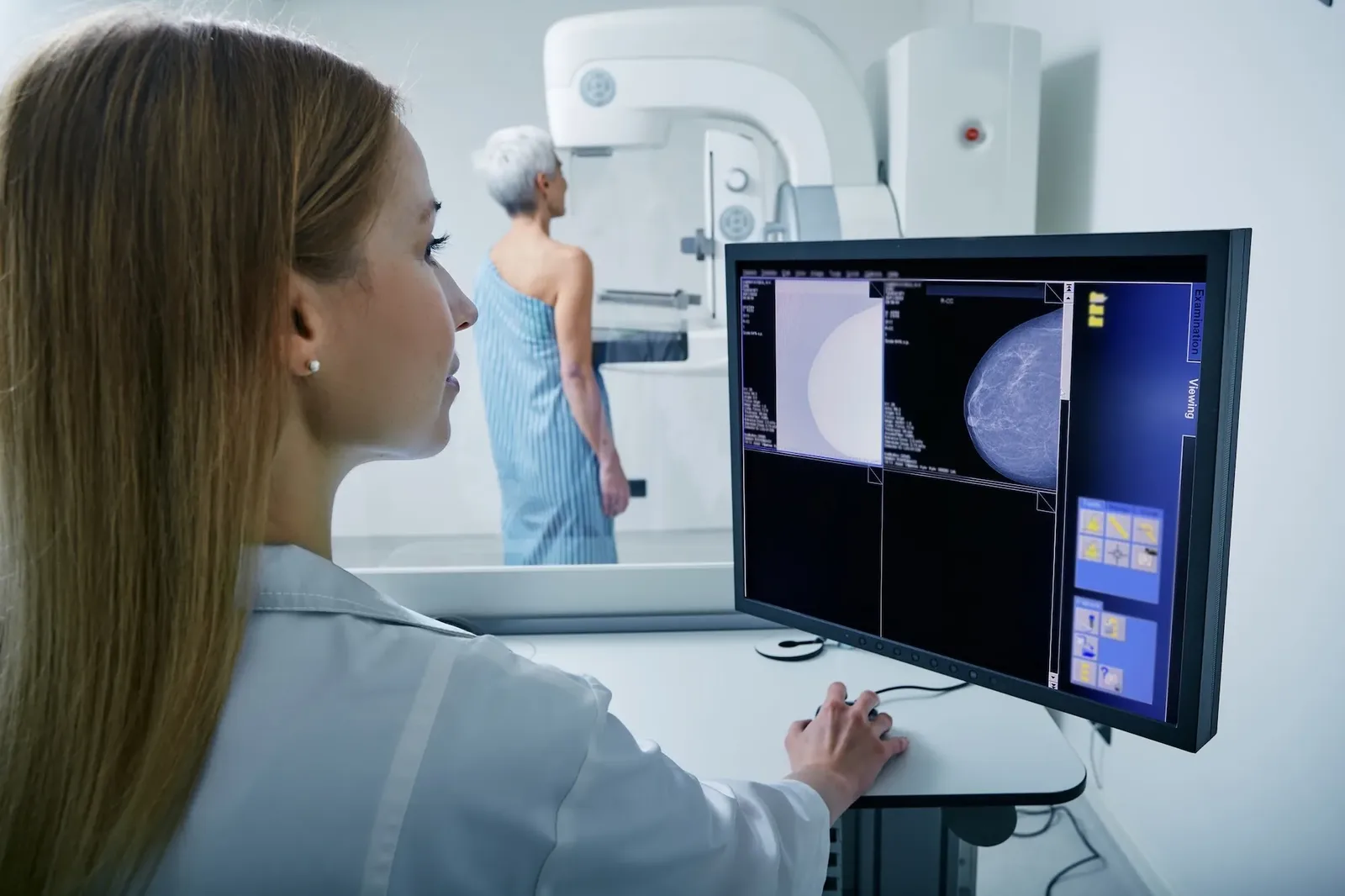
Women at average risk should begin mammograms between ages 40 and 44.
Early detection is crucial; one in six new breast cancers occurs in women aged 40 to 50.
Women with dense breasts may require additional imaging for accurate results.
In 2026, updated guidelines on mammogram screenings have raised questions among women regarding the appropriate age to begin these crucial tests. The American Cancer Society recommends that women at average risk start annual mammograms between the ages of 40 and 44, transitioning to yearly screenings from ages 45 to 54, and then possibly every two years after age 55. This shift in recommendations reflects a growing understanding of breast cancer risks and the importance of early detection.
Historically, breast cancer screening guidelines have evolved significantly, leading to confusion among women about when to initiate mammograms. Recent statistics indicate that approximately 1.4% of breast cancer cases in women under 50 have increased annually from 2012 to 2022. Experts emphasize that early detection through screenings can lead to better outcomes, as cancers identified at earlier stages tend to have higher survival rates.
Key recommendations vary among medical organizations. While the U.S. Preventive Services Task Force suggests starting mammograms at age 40 and continuing every two years until age 74, the American College of Radiology advocates for annual screenings starting at age 40. Additionally, the American College of Physicians has introduced new guidelines for biennial screenings for women aged 50 to 74. These differing recommendations highlight the importance of consulting healthcare providers to determine the best course of action based on individual risk factors.
For women under 40, the guidelines suggest that those with elevated risk factors, such as a family history of breast cancer or genetic predispositions, should consider starting screenings earlier. Self-awareness is crucial, as many young women first notice abnormalities themselves. Warning signs include new lumps, persistent breast pain, skin changes, or unusual discharge, with about 10% of new breast cancer cases in the U.S. occurring in women under 45.
Looking ahead, women are encouraged to engage in discussions with their healthcare providers regarding their personal risk factors and the necessity of screenings. As awareness grows, the emphasis on individualized screening plans will likely continue to shape future guidelines, ensuring that women receive the most appropriate care for their breast health needs.