Lunar Commercialization Raises Legal Concerns Over Moon Activities
The commercialization of lunar activities is growing, but legal frameworks are lacking, raising concerns about the moon's future.
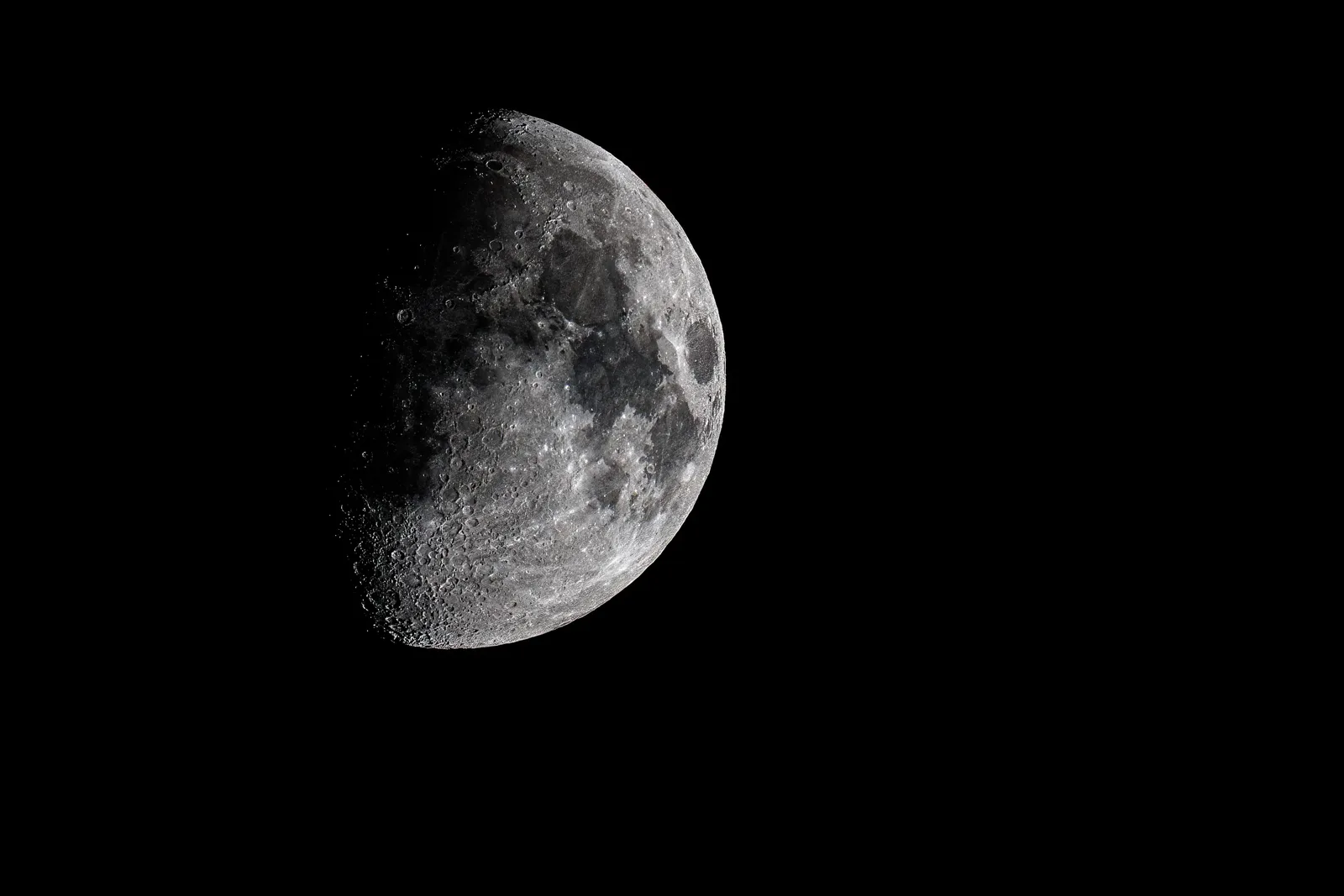
Celestis offers to send pet ashes to the moon for $3,495.
Current U.S. laws do not adequately regulate lunar activities.
Indigenous groups express concerns over human remains being sent to the moon.
The commercialization of lunar activities is rapidly expanding, with companies like Celestis offering services to send pet ashes to the moon for a fee of $3,495. This service is marketed as a unique memorial option, allowing a symbolic portion of ashes to be placed on the lunar surface. The trend reflects a broader movement among businesses seeking to exploit the ambiguous legal status of the moon, where regulations are minimal and enforcement is unclear.
Historically, the moon has been a site of scientific exploration, with numerous missions leaving behind equipment and artifacts. However, recent years have seen a surge in commercial ventures, including a Japanese beverage company launching a product payload in 2014 and artist Jeff Koons sending mini-sculptures to the moon in 2024. To date, nearly 500,000 pounds of materials, primarily from governmental missions, have been deposited on the lunar surface, raising questions about the implications of increasing commercial activity.
According to Steve Mirmina, a space law expert, existing U.S. regulations do not sufficiently address the activities occurring on the moon. He notes that there is no legal framework preventing the launch of various items, including race cars, into space. The Outer Space Treaty, which has been in effect since 1967, allows for free use of space but does not provide specific guidelines for private companies regarding what they can send to the moon. This lack of regulation could lead to the moon becoming a dumping ground for human-made debris.
The implications of unchecked commercialization extend beyond aesthetics. Concerns have been raised by various groups, including the Navajo Nation, which has formally requested that NASA cease sending human remains to the moon, citing the moon's sacred significance in Indigenous cultures. Additionally, the physical impacts of increased lunar landings, such as plume-surface interactions, could result in debris becoming hazardous projectiles for future missions, complicating lunar exploration efforts.
As commercial interest in the moon grows, the need for a comprehensive regulatory framework becomes increasingly urgent. With a significant portion of the American public supporting NASA's continued leadership in space exploration, experts like Mirmina emphasize the importance of preserving the moon for future generations. Without proactive stewardship, the moon risks becoming cluttered with human artifacts, undermining its potential as a site for scientific discovery and exploration.