Link Between Ultra-Processed Foods and Mental Health Grows Stronger
Recent studies reveal a significant association between ultra-processed food consumption and mental health issues, emphasizing the need for improved dietary environments.
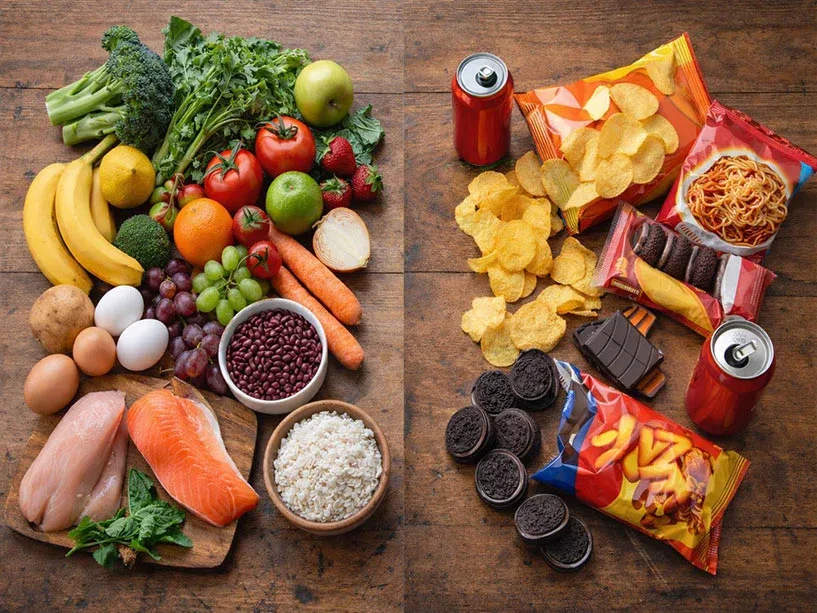
Over 1.2 billion people globally suffer from mental disorders, with anxiety and depression being prevalent.
Higher consumption of ultra-processed foods is linked to increased risks of depression and anxiety.
The findings highlight the necessity for policies promoting access to healthier food options.
Recent research has established a concerning link between the consumption of ultra-processed foods (UPFs) and adverse mental health outcomes. As of 2023, approximately 1.2 billion individuals worldwide are living with mental disorders, with anxiety and depression being the most common. The World Health Organization (WHO) has reported that mental disorders accounted for 157 million disability-adjusted life years (DALYs) in 2021, underscoring the urgency of addressing mental health as a critical component of public health.
The rise in UPF consumption has paralleled the increase in mental health issues, drawing attention from researchers. UPFs, which include items like packaged snacks, sugary beverages, and instant meals, are designed for convenience and affordability but often lack nutritional value. A systematic review of 99 studies involving 1.38 million participants revealed significant international variations in UPF consumption, with countries like the United States and the United Kingdom showing some of the highest levels, often exceeding 50% of total energy intake.
A growing body of evidence indicates that higher UPF intake correlates with increased odds of depressive and anxiety symptoms. A 2022 meta-analysis covering 17 studies found that individuals consuming more UPFs were more likely to experience these mental health issues. Furthermore, a longitudinal study involving over 183,000 participants showed that those in the highest quartile of UPF consumption had a significantly higher risk of developing depression compared to those in the lowest quartile.
The implications of these findings are profound, particularly as urbanization and dietary transitions continue to reshape food environments. The increasing availability of packaged and convenience foods is altering traditional dietary patterns, potentially leading to greater reliance on unhealthy food options. This shift not only affects nutrient intake but also influences how food is purchased and consumed, raising concerns about public health.
As the evidence linking UPFs to mental health issues becomes more robust, there is a pressing need for public health policies that enhance access to nutritious foods and address the marketing of unhealthy products. Future research should focus on understanding the causal relationships and exploring how these findings apply across different cultural and socioeconomic contexts, particularly in regions experiencing rapid dietary changes.