Johns Hopkins Study Links Liver and Brain to Symptoms of Genetic Epilepsy
A new study reveals distinct roles of the liver and brain in the symptoms of pyridoxine-dependent epilepsy.
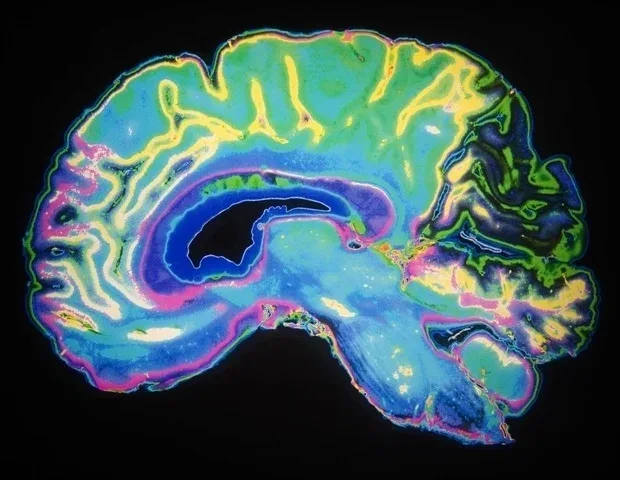
Research shows liver and brain contribute differently to epilepsy symptoms.
Sulforaphane, found in broccoli, may alleviate psychiatric symptoms.
Study highlights the need for targeted treatments for neurological disorders.
A groundbreaking study from Johns Hopkins Medicine has uncovered that both the liver and brain play unique roles in the symptoms associated with pyridoxine-dependent epilepsy, a rare genetic disorder. Published in the journal Science Advances, the research utilized genetically modified mice to model the condition, revealing that the absence of the ALDH7A1 gene in liver cells significantly increased seizure susceptibility, while its loss in astrocytes led to psychiatric symptoms such as depressive behavior and reduced motivation.
The study's findings provide critical insights into the biological mechanisms underlying pyridoxine-dependent epilepsy. Researchers engineered mice to selectively remove the ALDH7A1 gene from either the liver or astrocytes. Mice lacking the gene in the liver were prone to seizures but did not exhibit mood changes, whereas those missing the gene in astrocytes showed behavioral deficits without increased seizure risk. This distinction emphasizes that neurological and psychiatric symptoms can arise from different biological processes, challenging the notion that they stem from a single source.
Additionally, the research identified sulforaphane, an antioxidant compound derived from broccoli sprouts, as a potential treatment for the psychiatric symptoms associated with the disorder. While vitamin B6 is already utilized to manage seizures, sulforaphane was shown to enhance antioxidant defenses in astrocytes, suggesting a pathway to improve emotional regulation without affecting seizure susceptibility. This dual approach could pave the way for more comprehensive treatment strategies for patients suffering from this condition.
The implications of this study extend beyond the laboratory, as it highlights the necessity for targeted therapies that address the distinct symptoms of neurological disorders. By understanding that psychiatric and seizure symptoms can be driven by separate mechanisms, healthcare providers may be better equipped to tailor treatments for individuals with pyridoxine-dependent epilepsy and similar conditions.
Looking ahead, further research is essential to explore the therapeutic potential of sulforaphane in clinical settings. The study's authors advocate for mechanism-driven clinical trials to assess whether targeting astrocyte redox imbalance can effectively alleviate psychiatric symptoms in patients. Funded by the National Institute of Mental Health and the National Institute on Drug Abuse, this research represents a significant step toward improving the quality of life for those affected by this rare genetic disorder.