Innovative Eye Imaging Technologies Revolutionize Diagnosis on World Sight Day 2026
Advanced imaging tools are transforming eye care, enabling earlier detection of diseases and enhancing patient outcomes.
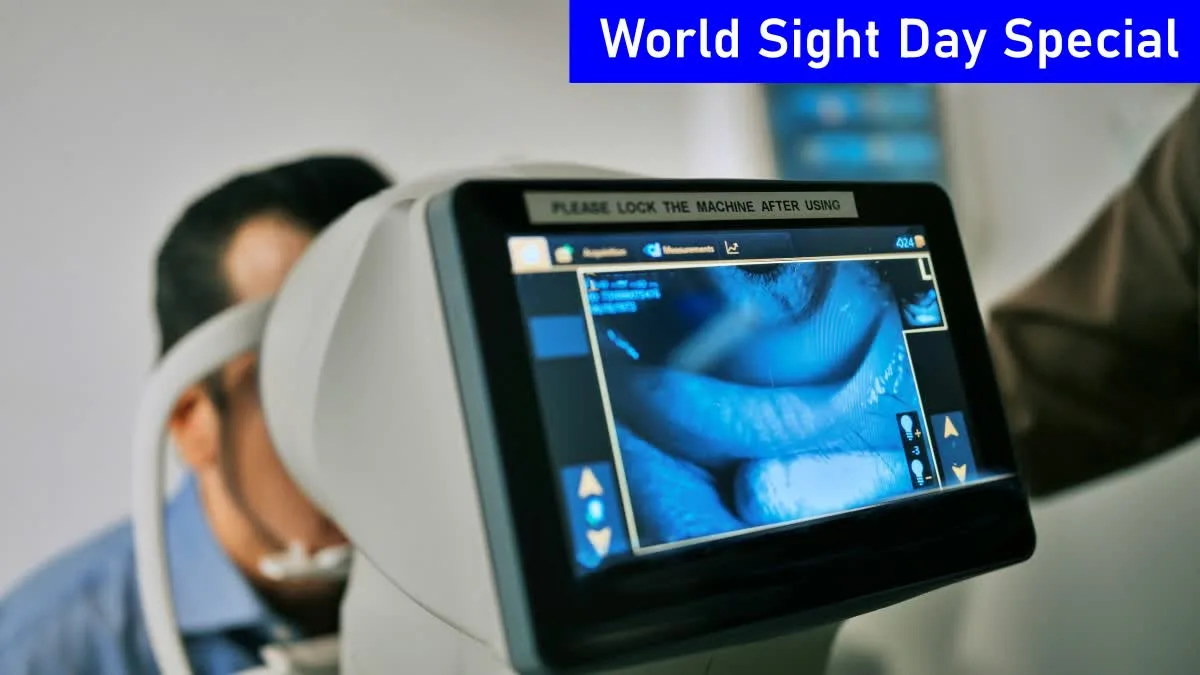
Modern imaging technologies like OCT and fundus cameras improve eye disease diagnosis.
AI is being integrated into eye care for efficient screening and triage.
Access to advanced eye imaging is expanding through portable devices and tele-ophthalmology.
On October 8, 2026, World Sight Day highlights the significant advancements in eye care technology, particularly the role of imaging tools such as Optical Coherence Tomography (OCT) and ultra-widefield fundus cameras. These innovations allow ophthalmologists to examine the eye's internal structures in detail, enabling the early detection of conditions that may not be apparent during standard eye exams.
Historically, eye examinations relied heavily on visual assessments and basic tools. However, with the advent of high-resolution imaging technologies, the landscape of ophthalmology has changed dramatically. Modern devices can capture intricate details of the retina and optic nerve, allowing for precise monitoring of diseases like diabetic retinopathy and glaucoma. Dr. Sharoon Shitole, a consultant ophthalmologist, emphasized that these tools facilitate tracking changes over time, significantly improving patient care.
The integration of artificial intelligence into eye care is also noteworthy. AI systems can analyze retinal images swiftly, identifying potential issues such as diabetic retinopathy. This capability is particularly beneficial in managing the eye health of patients with chronic conditions. Dr. Shitole pointed out that while AI enhances screening processes, it should complement, not replace, the expertise of ophthalmologists, who are essential for comprehensive diagnosis and treatment planning.
The implications of these technologies extend beyond individual patient care. They represent a shift towards more proactive eye health management, particularly in underserved areas. Dr. Pravin K. Vaddavalli from the LV Prasad Eye Institute highlighted the importance of making these advanced tools accessible, noting that portable devices and tele-ophthalmology are crucial for reaching patients in remote locations. Initiatives like self-screening tools aim to empower individuals to monitor their vision and seek timely care.
Looking ahead, the future of eye care appears promising with ongoing advancements in imaging technology and AI. As these tools become more integrated into routine practice, they will likely lead to improved outcomes for patients, ensuring that eye diseases are detected and managed more effectively than ever before.