Innovative AI Platform Enhances Patient-Device Communication
A new AI-driven platform enables real-time interaction between patients and their medical devices, transforming health management.
The platform allows patients to communicate directly with devices for personalized health management.
Thirteen participants in a study reported improved understanding of their conditions through the system.
Future applications may extend to various medical conditions, enhancing treatment responsiveness.
A groundbreaking AI platform developed by the University of Pennsylvania is revolutionizing how patients interact with their medical devices. This innovative system enables real-time communication, allowing patients to ask questions, report symptoms, and receive alerts regarding their health. The findings from a proof-of-concept study were published in Nature Medicine, showcasing a shift from traditional data collection methods to a collaborative approach in disease management.
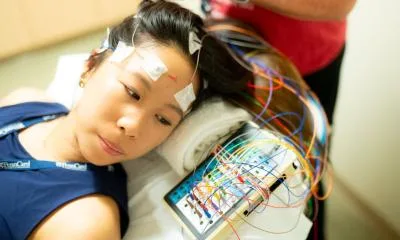
The study involved 13 adults undergoing continuous monitoring for seizures at Penn’s Epilepsy Monitoring Unit. Participants utilized a platform designed by a team of Penn Bioengineering PhD students, which integrated software for continuous EEG data capture, a secure cloud environment for real-time analysis, and a smartphone app featuring an AI-powered conversational agent. This setup facilitated a dynamic exchange of information, enabling patients to visualize trends in their health data and receive timely alerts.
Throughout the study, researchers analyzed over 1,300 messages exchanged between patients and the system. Participants engaged in discussions regarding seizure events, sleep patterns, and emotional well-being. Many reported that the platform clarified previously confusing patterns in their health, with one participant noting it helped validate their feelings related to seizure episodes. The system's ability to learn from patient feedback significantly enhanced its accuracy in identifying seizure events.
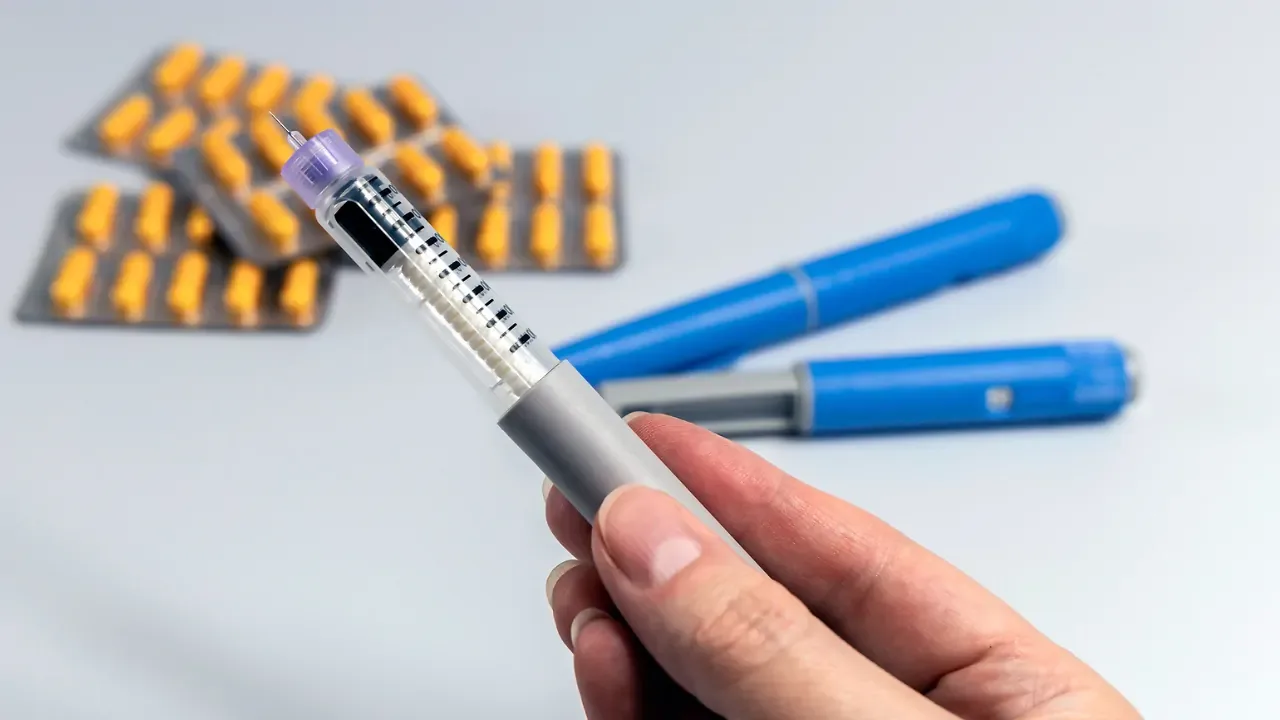
The implications of this technology extend beyond epilepsy management. Researchers believe that similar platforms could be developed for a variety of conditions, including those requiring cardiac devices and insulin pumps. The goal is to create systems that can autonomously adjust treatments while maintaining direct communication with patients about their symptoms and treatment objectives.
Looking ahead, the research team is preparing to explore the application of this platform in outpatient settings, utilizing newer EEG technologies and wearables. They aim to assess whether this two-way communication can lead to reduced seizure frequency, improved quality of life, and decreased healthcare utilization. This initiative is part of a broader vision to develop advanced brain-computer interfaces that adapt treatment in real time, supported by substantial NIH funding.