Ebola Crisis in Eastern Congo: Maternal Deaths Surge by 70%
The ongoing Ebola outbreak in eastern Congo is causing a significant rise in maternal deaths and a decline in childhood vaccinations, alarming health officials.
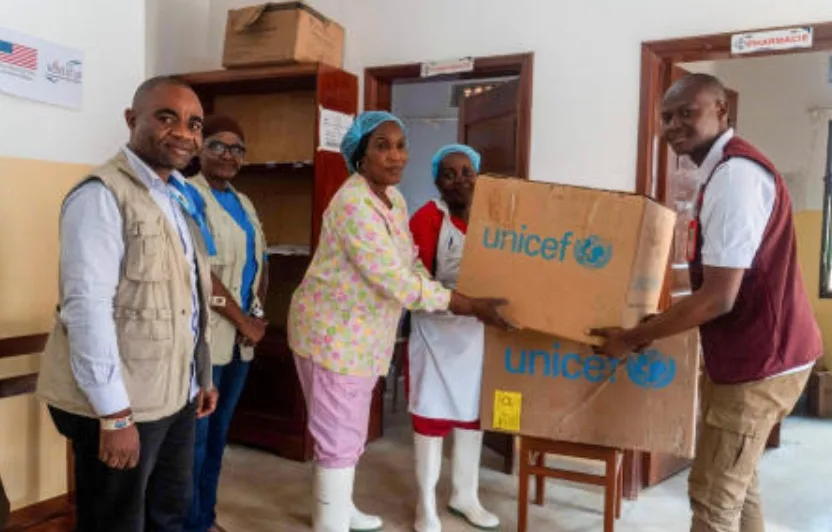
Maternal deaths in Ituri province increased by nearly 70% from May to July compared to the previous year.
Routine childhood vaccinations have dropped by over 50% in Ebola-affected areas, raising concerns about future health crises.
Misinformation and fear surrounding Ebola are preventing women from seeking essential healthcare.
The Ebola outbreak in eastern Congo has led to a dramatic increase in maternal deaths, particularly in Ituri province, where figures indicate a nearly 70% rise between May and July compared to the same period last year. Health officials attribute this alarming trend to the fear of contracting the virus, which has deterred women from seeking necessary prenatal care and has resulted in more home births, often with tragic outcomes. The current outbreak is reported to be the worst in Congo's history, further straining an already fragile healthcare system.
Limited data highlights the severe impact of the outbreak on maternal health. Reports from the United Nations indicate that the number of hospital deliveries has plummeted by over 30%, and treatment for obstetric complications has decreased by 50% since the outbreak began. In Butembo city, health workers at the Masiki health care center have observed a significant drop in maternity ward admissions, with many beds remaining unoccupied. Misplaced fears about the safety of medical treatments have led to women delaying care until complications arise, resulting in tragic losses, including cases of untreated malaria leading to stillbirths.
The Ebola crisis has also severely affected childhood immunization efforts. UNICEF reported a staggering decline in routine vaccinations, with some areas experiencing a drop of over 50% between April and June. In Mongbwalu, first-dose measles vaccinations fell by 69%, raising alarms about the potential for outbreaks of other preventable diseases. The ongoing epidemic has already infected more than 8,000 individuals and claimed over 4,000 lives, with health officials warning that the situation is far from contained.
Misinformation and superstitions surrounding the Ebola virus are compounding the crisis. Many parents are reluctant to take their children to health facilities for fear of being referred to Ebola treatment centers, which they associate with death. This fear has led to tragic outcomes, as some parents resort to self-medication or traditional remedies instead of seeking timely medical help. Health professionals have reported heartbreaking instances where children arrive at hospitals in critical condition due to delayed treatment, often leaving little room for intervention.
Looking ahead, health authorities and aid organizations are emphasizing the need for public education to combat misinformation and encourage families to seek necessary healthcare. As the Ebola outbreak continues, the long-term implications for maternal and child health in eastern Congo remain a pressing concern, with efforts needed to restore trust in the healthcare system and improve vaccination rates to prevent further health crises.