India's Stroke Burden: The Critical Role of Early Rehabilitation
Early rehabilitation is essential for stroke recovery, impacting independence and quality of life.
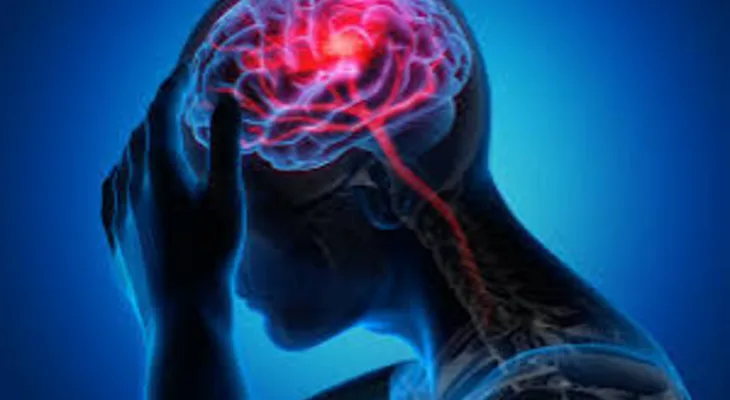
Stroke cases in India have surged by 155% since 1990, with many patients under 45.
The National Stroke Action Plan aims to enhance stroke care beyond emergency treatment.
Personalized, multidisciplinary rehabilitation is vital for effective recovery post-stroke.
In India, the rising incidence of stroke cases has prompted a reevaluation of recovery strategies, emphasizing the importance of early rehabilitation. With stroke cases more than doubling over the past three decades, the healthcare system faces significant challenges in addressing the needs of survivors. The National Stroke Action Plan, launched in March 2026, aims to provide a comprehensive approach to stroke care, focusing not only on immediate medical treatment but also on long-term recovery and rehabilitation.
Historically, stroke management has primarily centered on acute care, often neglecting the critical phase of rehabilitation. However, recent insights highlight that the period immediately following a stroke is crucial for recovery. Once patients are medically stable, timely assessments can guide the development of personalized rehabilitation programs tailored to individual needs. This shift in focus underscores the necessity for a coordinated approach that integrates various therapeutic disciplines, including physiotherapy, occupational therapy, and speech therapy.
Data indicates that every seventh stroke patient in India is under the age of 45, raising concerns about the impact on the workforce and families. The National Stroke Action Plan seeks to address these issues by making stroke care more accessible and affordable, ultimately improving recovery outcomes. The plan emphasizes the need for a seamless transition from emergency treatment to rehabilitation, ensuring that patients receive continuous support throughout their recovery journey.
The evolution of rehabilitation practices is also noteworthy. Advances in technology are enabling more structured and measurable recovery programs, allowing for personalized care that adapts to the unique challenges faced by each patient. As healthcare providers recognize the importance of continuity between acute care and rehabilitation, there is a growing emphasis on educating patients and caregivers about the rehabilitation process, reinforcing its role as an integral part of stroke recovery.
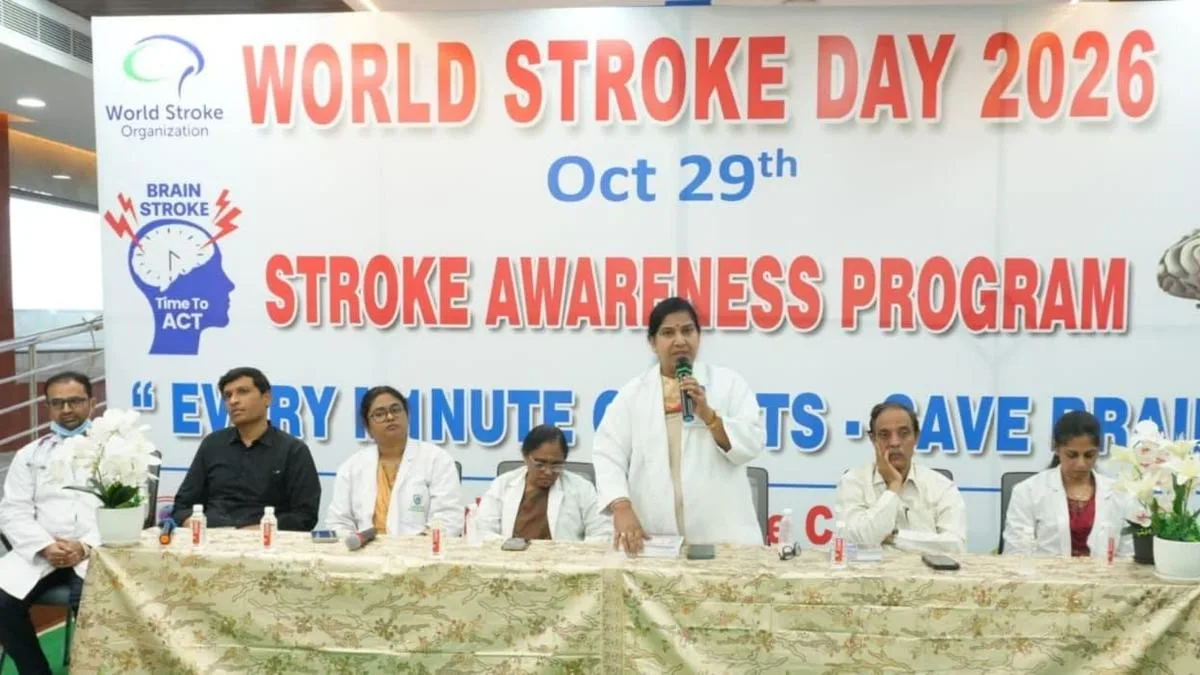
Looking ahead, the focus on early rehabilitation presents a significant opportunity to reshape stroke care in India. By prioritizing personalized, multidisciplinary rehabilitation, the healthcare ecosystem can enhance the quality of life for stroke survivors, helping them regain independence and dignity. As World Stroke Day approaches, it is essential to advocate for a paradigm shift that places rehabilitation at the forefront of stroke care, ensuring that survivors can lead fulfilling lives post-recovery.