India's Fight Against Thalassemia and Sickle Cell Disease: A Call for Action
Two simple blood tests could significantly reduce the incidence of thalassemia and sickle cell disease in India, saving lives and costs.
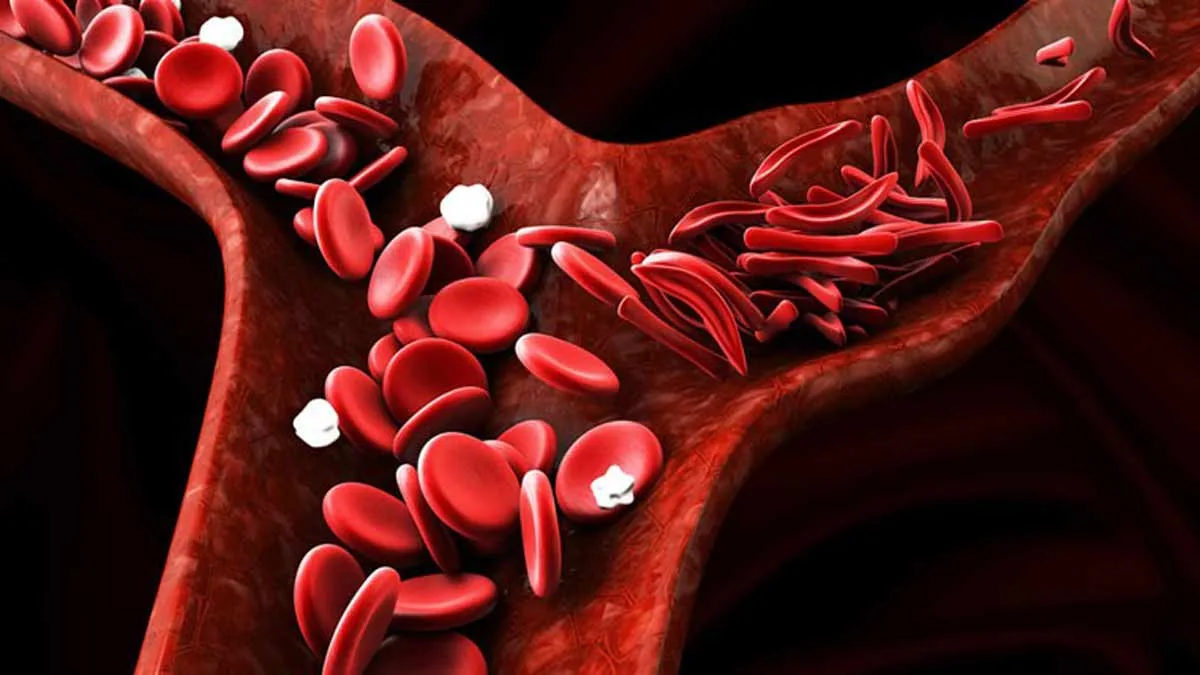
India sees around 10,000 new thalassemia cases and 42,000 sickle cell cases annually.
Pre-marital screening and universal newborn screening can prevent these genetic disorders.
Implementing these tests could save families and the healthcare system billions in treatment costs.
India faces a significant public health challenge with approximately 10,000 children born each year with thalassemia major and 40,000 to 42,000 with sickle cell disease. These genetic disorders are entirely preventable through simple blood tests that can inform couples about their carrier status before marriage. The lack of awareness among families often leads to devastating consequences for children and financial burdens on parents.
The first crucial step in prevention is pre-marital carrier screening, which involves a straightforward blood test that costs less than a meal at a restaurant. This test reveals whether both partners carry genes for thalassemia or sickle cell disease, allowing them to make informed reproductive choices. Countries like Cyprus have successfully reduced new cases by over 90% through mandatory screening, showcasing the potential impact of such measures in India, where millions are carriers.
The second essential test is universal newborn screening, which can detect these conditions shortly after birth. Early diagnosis can transform the lives of affected children, providing them with the opportunity for effective treatments such as bone marrow transplants, which have a high success rate if administered early. The economic implications of inaction are severe, with the lifetime cost of managing a child with thalassemia estimated at ₹50 lakh to over ₹1 crore, a burden largely shouldered by families and the public healthcare system.
The National Sickle Cell Anaemia Elimination Mission has made strides by screening over 6.8 crore individuals, but without a robust follow-up care system, the effort falls short. To combat this, India needs to implement three key strategies: make carrier screening widely accessible, initiate a phased universal newborn screening program, and ensure immediate access to comprehensive care for diagnosed infants. These steps could significantly reduce the number of new cases and alleviate the burden on families and the healthcare system.
Looking ahead, the potential for a generation free from preventable suffering is within reach. By prioritizing prevention alongside treatment, India can not only save lives but also redirect funds towards essential services like education and nutrition. The time for action is now, as the tools and knowledge to combat these diseases are already available. With the right political will and public awareness, India can eliminate the birth of children with severe inherited blood disorders, just as it did with polio.