AI-Powered EpiScreen Achieves 81% Diagnostic Accuracy in Seizure Differentiation
A groundbreaking study reveals that EpiScreen, an AI system, can effectively distinguish between epilepsy and functional seizures using electronic health records.
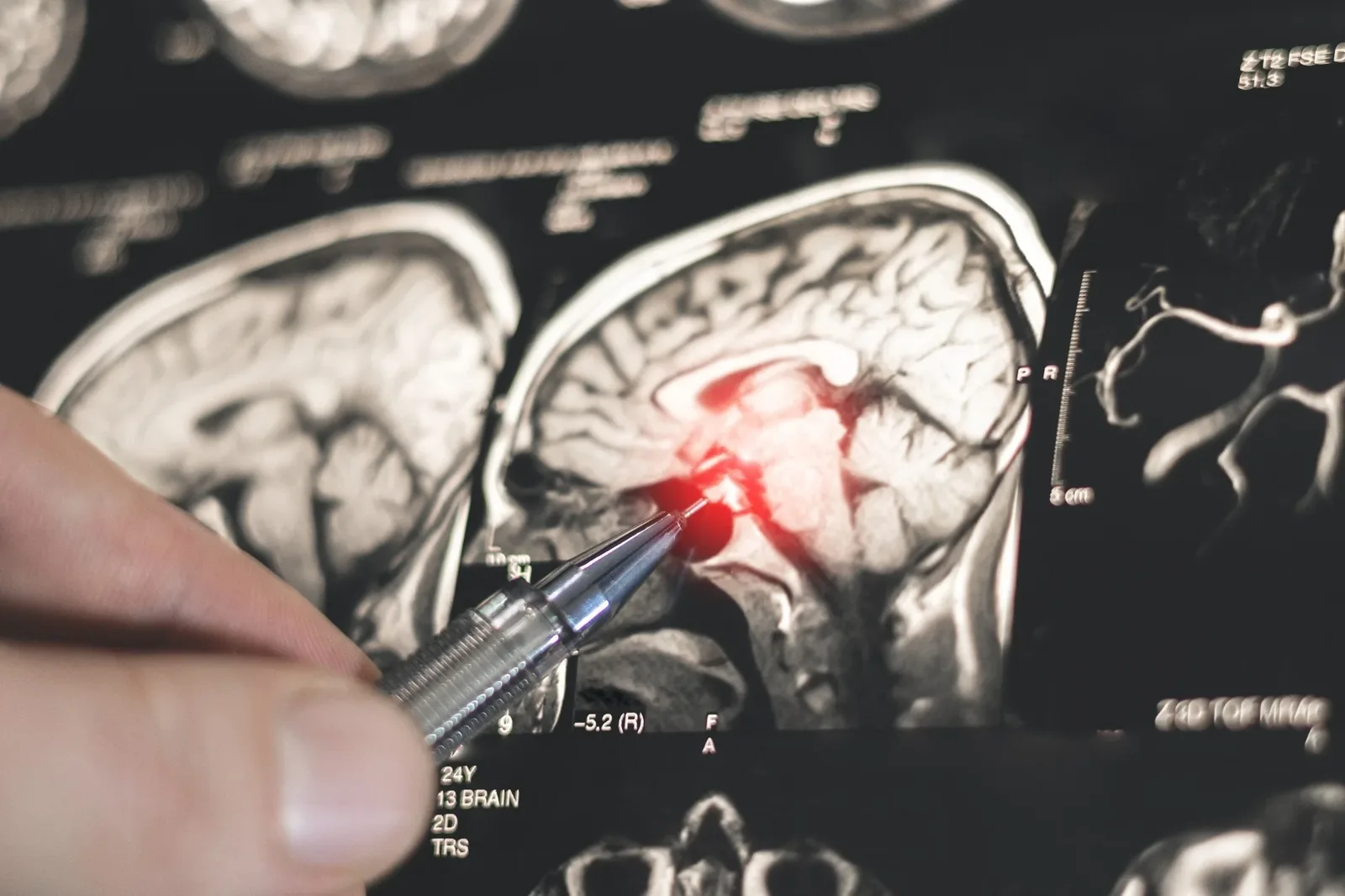
EpiScreen achieved an AUC of 0.992 in distinguishing epilepsy from PNES.
The AI system improved diagnostic accuracy for clinicians from 76% to nearly 89%.
The study highlights the potential of AI to reduce diagnostic delays and unnecessary treatments.
In a significant advancement for neurology, researchers have developed an artificial intelligence system named EpiScreen, which demonstrates the ability to differentiate between epilepsy and psychogenic non-epileptic seizures (PNES). This innovative tool was validated through a study published in the journal npj Digital Medicine, utilizing a dataset of 13,633 patient records from two institutions. The findings indicate that EpiScreen can analyze routine clinical notes from electronic health records (EHRs) to provide accurate diagnostic support.
Epilepsy is a chronic neurological disorder affecting approximately 50 million people worldwide, characterized by recurrent seizures caused by abnormal electrical discharges in the brain. Diagnosing epilepsy can be complicated by PNES, which mimics seizure symptoms but arises from different underlying mechanisms. Misdiagnosis is prevalent, with studies showing that 20% to 30% of patients referred for presumed drug-resistant epilepsy actually have PNES. Traditional diagnostic methods, such as prolonged video-electroencephalography (vEEG), are costly and time-consuming, often leading to delays in appropriate treatment.
EpiScreen was developed by fine-tuning large language models (LLMs) to analyze unstructured clinical narratives. The system achieved an impressive area under the receiver operating characteristic curve (AUC) of 0.992 in within-institution testing and 0.980 in cross-institutional evaluations. In a clinician assessment, EpiScreen's diagnostic accuracy reached 81%, closely matching the performance of experienced neurologists. When provided with AI predictions, the accuracy of resident physicians improved significantly, demonstrating the potential of AI to enhance clinical decision-making.
The implications of this study extend beyond individual diagnoses, as EpiScreen could help streamline the diagnostic process, reduce healthcare costs, and minimize unnecessary treatments. By utilizing routinely collected clinical notes, the AI system may facilitate earlier screening for epilepsy and PNES, ultimately leading to better patient outcomes. The researchers emphasize the need for further prospective trials to validate EpiScreen's effectiveness in real-world clinical environments.
Looking ahead, the integration of EpiScreen into clinical practice could revolutionize how neurologists approach seizure diagnosis. The authors suggest that the AI tool could be employed during neurology referrals or prior to confirmatory vEEG tests, potentially reducing diagnostic delays and improving patient care. Future research will focus on real-time applications of EpiScreen to ensure its reliability and effectiveness in diverse clinical settings.