India's Ambitious HPV Vaccination Program Launched in 2026
India initiates a nationwide HPV vaccination campaign to combat cervical cancer, aiming for significant reductions in future cases.
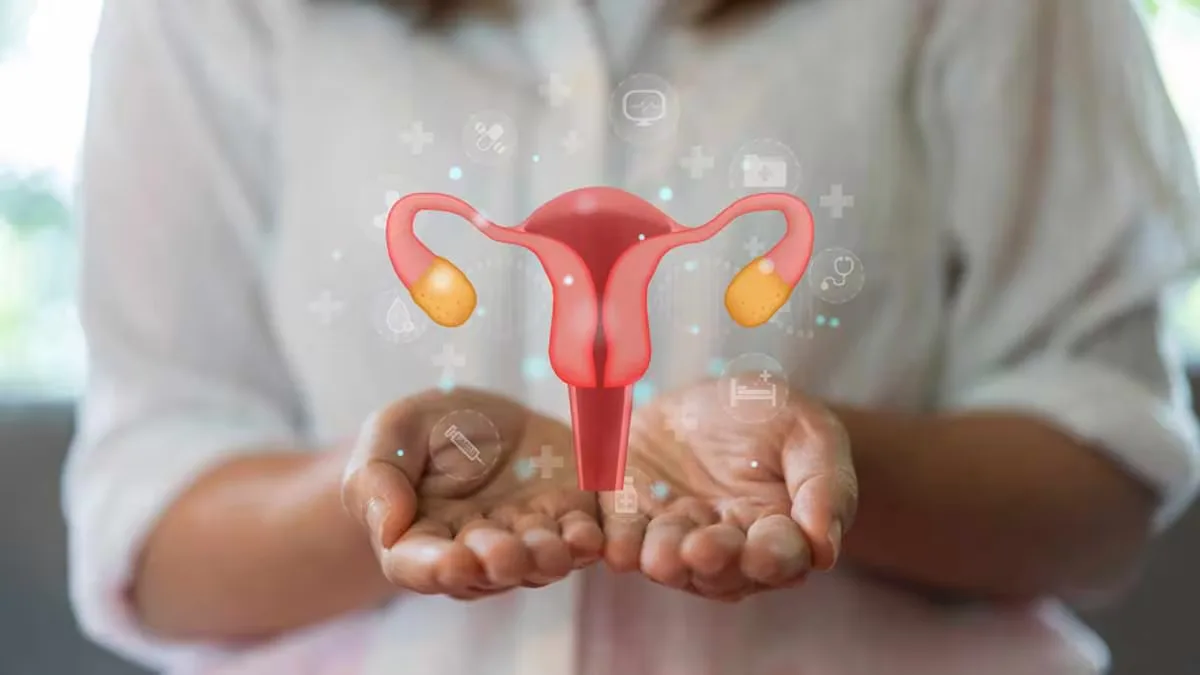
Cervical cancer accounts for a significant portion of global cases and deaths, with India bearing a large burden.
The government launched a free HPV vaccination program for girls aged 14 on February 28, 2026.
Screening and fertility preservation discussions are crucial for women diagnosed with cervical cancer.
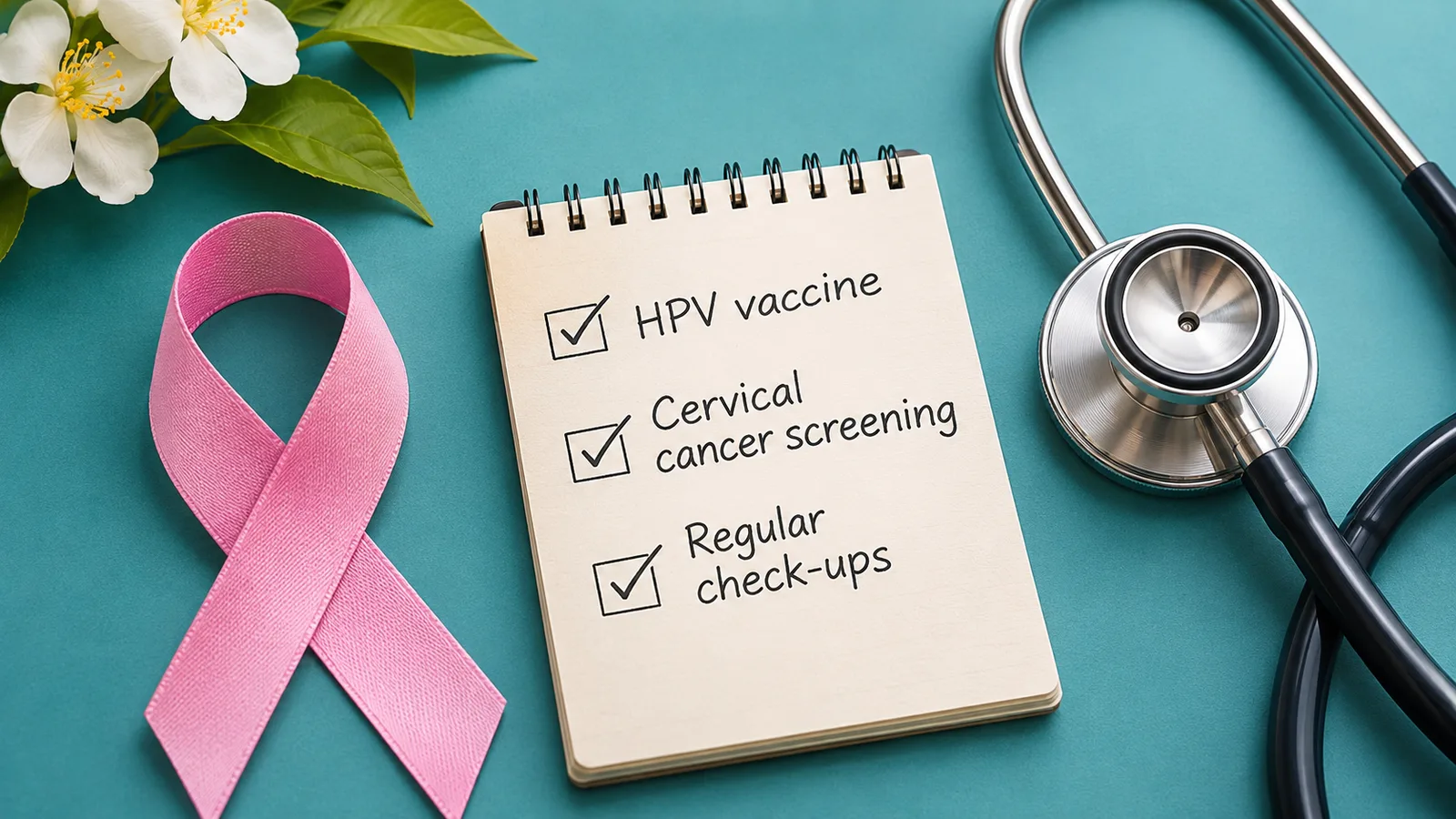
On February 28, 2026, India launched a groundbreaking initiative aimed at combating cervical cancer through a free nationwide HPV vaccination program for girls aged 14. This effort aligns with the World Health Organization's ambitious strategy to eliminate cervical cancer globally, which includes vaccinating 90% of girls by age 15, screening 70% of women, and ensuring treatment for 90% of those diagnosed. With India accounting for approximately 20% of new cervical cancer cases and 25% of related deaths worldwide, the urgency for effective preventive measures is paramount.
Historically, cervical cancer has been perceived as a disease predominantly affecting older women. However, many women in their thirties, who are often in the midst of building careers and families, are diagnosed at an early stage. This demographic frequently expresses concerns not only about survival but also about their ability to conceive post-diagnosis. The introduction of the HPV vaccination is a significant step forward, but it primarily benefits younger generations, leaving many women currently in their reproductive years without adequate protection.
Despite the promising launch of the vaccination program, screening rates in India remain alarmingly low, with less than 2% of women aged 30 to 49 having ever undergone screening. Early-stage cervical cancer typically presents no symptoms, making proactive screening essential. Newer HPV testing methods allow for more accurate results and can be conducted privately, yet many women miss the opportunity for early detection. Healthcare providers are encouraged to integrate cervical screening into routine gynecological consultations, particularly for women planning pregnancies or seeking fertility treatments.
The implications of cervical cancer diagnosis extend beyond health; they significantly affect women's reproductive choices. Standard treatments, such as radical hysterectomy or chemoradiation, can jeopardize future pregnancies. However, advancements in surgical techniques allow for fertility-sparing options in select cases. Women diagnosed with early-stage tumors may have the opportunity to preserve their uterus, and fertility preservation methods, such as egg freezing, can be discussed prior to initiating cancer treatment. Unfortunately, many oncologists are aware of these options but fail to refer patients to fertility specialists, highlighting a critical gap in patient care.
To bridge this gap, several changes are necessary. First, discussions about fertility preservation should be standard practice for all women of reproductive age diagnosed with cervical cancer. Second, establishing rapid-access pathways between cancer centers and fertility clinics will facilitate timely interventions for egg or embryo freezing. Lastly, comprehensive data collection on fertility preservation practices and outcomes is essential to inform future strategies. As India moves forward with its vaccination efforts, ensuring that women diagnosed with cervical cancer have access to fertility preservation options is crucial for reducing the disease's impact on their lives and futures.