Hyderabad Doctors Urge Public to Recognize Stroke Symptoms on World Stroke Day
On World Stroke Day, medical professionals in Hyderabad emphasize the need for heightened awareness of stroke symptoms and timely intervention.
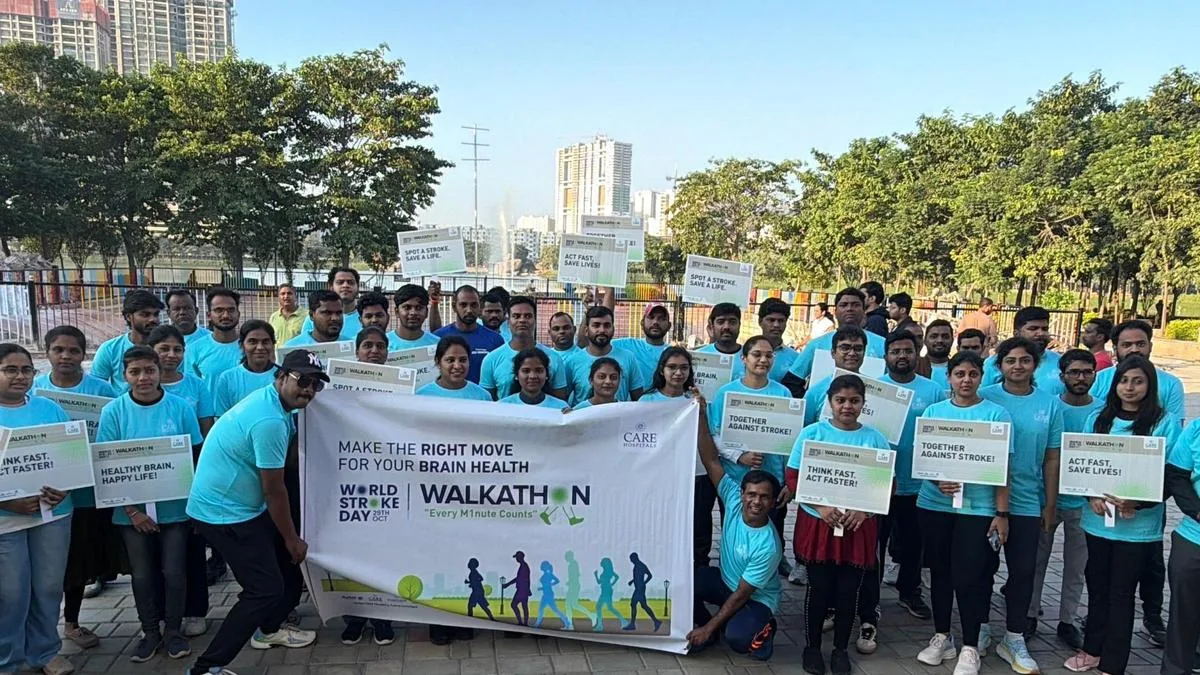
Only 20% of stroke patients reach hospitals within 4.5 hours of symptom onset.
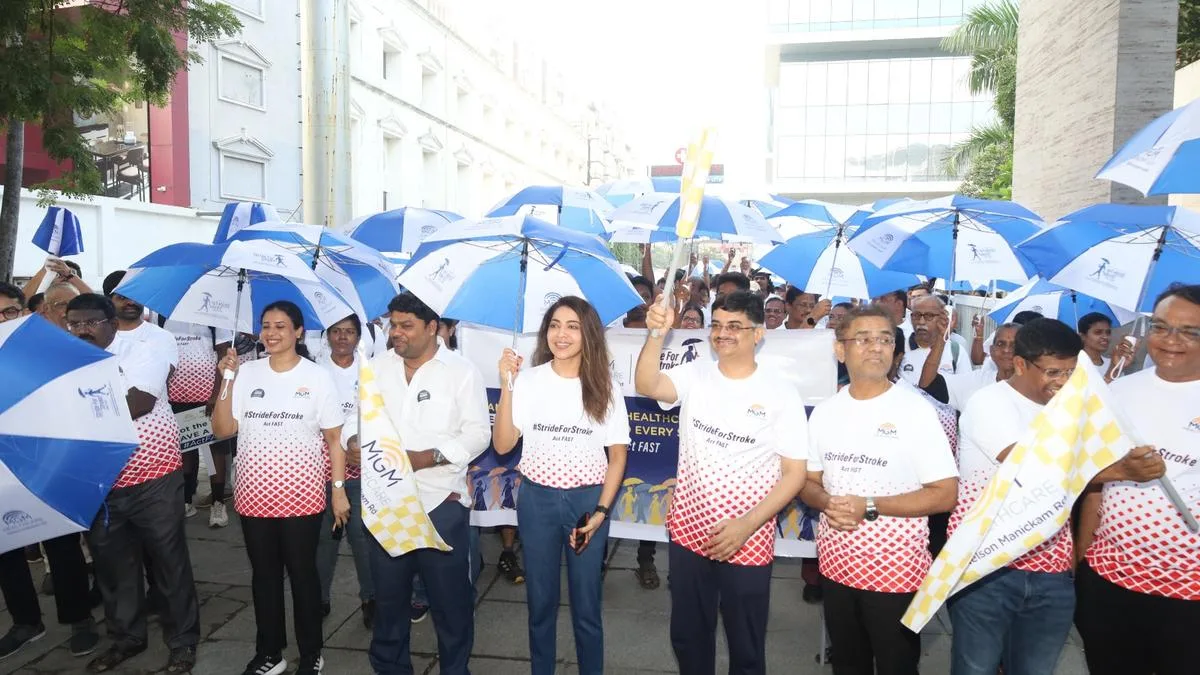
Awareness programs and walkathons were held to educate the public on stroke emergencies.
Controlling health factors like blood pressure and diabetes can significantly reduce stroke risk.
On October 29, marking World Stroke Day, healthcare professionals in Hyderabad have called for increased public awareness regarding the symptoms of stroke, emphasizing the critical need for early diagnosis and prompt medical intervention. They cautioned that delays in reaching medical facilities can severely impact treatment options, recovery outcomes, and overall quality of life for stroke patients.
In response to this urgent call for awareness, hospitals throughout Hyderabad organized various initiatives, including awareness programs and walkathons. These events provided opportunities for interaction between medical staff and stroke survivors, showcasing advancements in emergency treatment, rehabilitation, and ongoing care. This year's global campaign theme, "Every Minute Counts," highlights the urgency of recognizing stroke as a medical emergency and the necessity of seeking immediate medical help instead of waiting for symptoms to diminish.
Doctors at Care Hospitals presented alarming statistics from an Indian Council of Medical Research (ICMR) stroke registry, revealing that only around 20% of patients manage to reach hospitals within 4.5 hours after the onset of symptoms. To raise awareness, the hospital hosted a walkathon at Malkam Cheruvu Park and a session where stroke survivors shared their personal experiences related to treatment and recovery.
KIMS Sunshine Hospital also contributed to the awareness efforts by organizing a walkathon. Dr. A.V. Gurava Reddy, the Managing Director, highlighted the profound impact of stroke-related disabilities not only on patients but also on their families. He emphasized the importance of family members being aware of the medications taken by elderly relatives and the necessity of regular health monitoring.
Apollo Hospitals showcased its comprehensive stroke care program, which encompasses emergency assessments, neuro-intensive care, specialized interventions, rehabilitation, and home follow-up services. This program includes neuro-ICU monitoring, advanced MRI-integrated operating theatre capabilities, robotic rehabilitation, and various therapies such as physiotherapy and occupational therapy. Meanwhile, Kamineni Hospitals stressed the significance of stroke prevention and early recognition. Dr. M. Lakshmi Lavanya, a Senior Consultant Neurologist, reiterated that managing blood pressure, diabetes, and cholesterol through medical guidance and lifestyle changes can significantly mitigate stroke risks.