Heavy Fighting in Ituri Disrupts Ebola Response Efforts in DRC
Ongoing violence in Ituri province has severely hindered Ebola responders' operations, putting lives at risk.
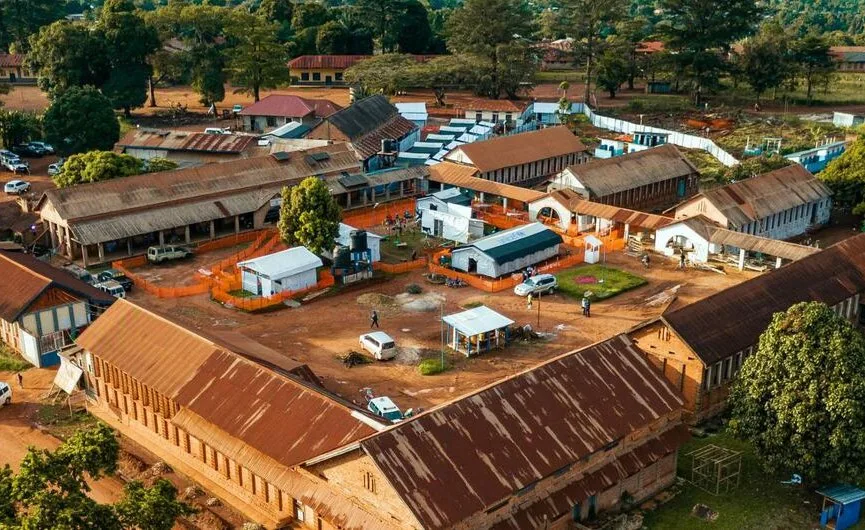
Heavy fighting near a hospital in Ituri province has trapped Ebola responders.
Recent armed attacks have led to significant civilian casualties and disrupted health services.
The World Health Organization is working to address the outbreak amid escalating violence.
Heavy fighting in the Ituri province of the Democratic Republic of the Congo (DRC) has created a perilous situation for Ebola responders, forcing them to suspend critical operations. The violence erupted near a hospital, where emergency teams were engaged in efforts to combat the ongoing Ebola outbreak. The World Health Organization (WHO) has reported that the conflict has not only endangered the lives of health workers but has also compromised the safety of patients seeking treatment.
The backdrop to this crisis is a deteriorating security situation in the region, marked by repeated attacks on civilians and health facilities. Just days prior to the current fighting, an armed assault in the Cantine-Aloya area resulted in the deaths of 66 civilians, including three health workers, and led to the looting of three medical facilities. Such incidents have severely hampered the response to the Ebola outbreak, which has already seen cases surpassing 11,000.
In light of these challenges, the WHO has announced plans to trial two strain-specific Ebola vaccines in the epicenter of the outbreak next week. These vaccines aim to target the Bundibugyo strain of the virus, which has been prevalent in the region. The trials are a critical step in bolstering the response to the outbreak, but the ongoing violence poses significant risks to both health workers and the communities they serve.
The implications of this unrest extend beyond immediate health concerns, as the continued violence undermines public trust in health services and complicates efforts to contain the outbreak. The situation in Ituri is indicative of a broader trend in the DRC, where armed groups frequently disrupt humanitarian efforts, exacerbating the challenges faced by health authorities.
Looking ahead, the WHO and local health authorities are calling for increased security measures to protect health workers and ensure the safe delivery of medical services. The urgent need for a coordinated response is evident, as the outbreak continues to spread amid ongoing violence. Stakeholders are urged to prioritize the safety of responders and the affected communities to effectively combat the Ebola crisis in the DRC.