Global Study Identifies 58 Genetic Regions Linked to Endometriosis
A comprehensive genome-wide analysis reveals new genetic insights into endometriosis, affecting 10% of women globally.
The study involved over 1 million participants, with 32% from non-European ancestries.
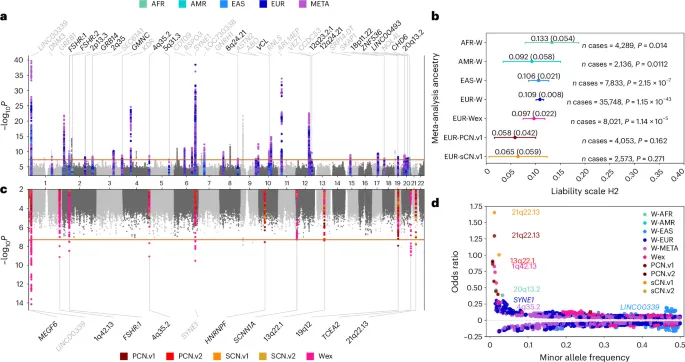
Researchers identified 58 genomic regions associated with endometriosis, including 27 previously unreported.
The findings suggest potential therapeutic targets and highlight the need for diverse genetic research.
A groundbreaking genome-wide association study (GWAS) has uncovered 58 genetic regions linked to endometriosis, a painful condition affecting approximately 10% of women of reproductive age worldwide. Conducted as part of the Global Biobank Meta-analysis Initiative, this research involved over 1 million participants, with a significant representation of non-European ancestries, marking a significant step in understanding the genetic factors contributing to this complex disorder.
Endometriosis is characterized by the growth of endometrial-like tissue outside the uterus, leading to severe pain and fertility issues. Despite its prevalence, the genetic underpinnings of endometriosis have remained largely elusive. Previous studies primarily focused on European populations, leaving a gap in understanding how this condition manifests across different ethnicities. This new study addresses that gap by incorporating diverse ancestry groups, which enhances the generalizability of the findings and provides insights into the disease's multifaceted nature.
The research identified 58 genomic regions associated with endometriosis, including 27 that had not been previously reported. Among these, specific loci were found to be unique to African and admixed American populations. The study also revealed numerous associations with known and previously uncharacterized risk factors, emphasizing the complexity of endometriosis and its potential links to other health conditions, such as cardiovascular diseases. The integration of multiomic analyses allowed researchers to implicate a total of 314 genes, suggesting multiple avenues for therapeutic intervention.
The implications of these findings extend beyond the laboratory. By identifying genetic markers associated with endometriosis, the study paves the way for improved diagnostic tools and targeted treatments, which could significantly enhance the quality of life for those affected. Furthermore, the research highlights the importance of including diverse populations in genetic studies to address health disparities and improve outcomes for all individuals suffering from endometriosis.
Looking ahead, the research team plans to continue exploring the identified genetic regions and their roles in endometriosis. Future studies will focus on validating these findings and investigating the biological mechanisms underlying the disease. As awareness of endometriosis grows, these insights could lead to more effective management strategies and ultimately, better health outcomes for women worldwide.