New Insights into Treatments for Metabolic Dysfunction-Associated Steatotic Liver Disease
Recent research highlights the role of oxidative stress in MASLD and explores innovative therapeutic strategies.
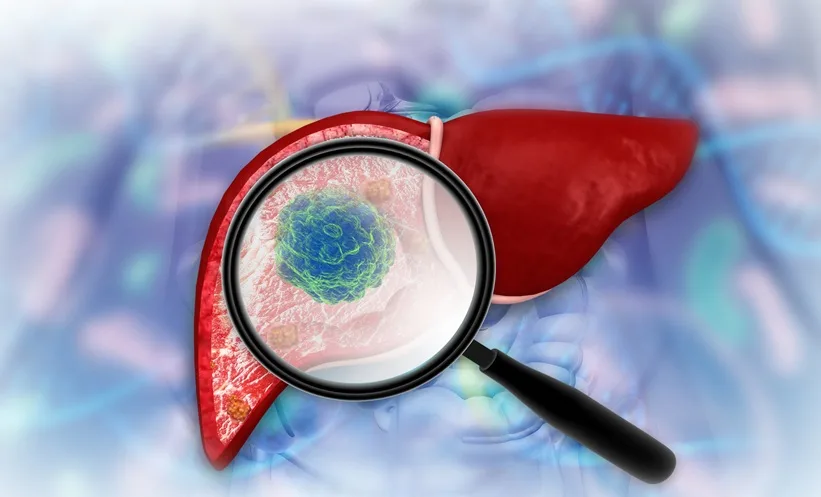
MASLD affects around 32% of adults globally, linked to obesity and diabetes.
Oxidative stress contributes to the progression of MASLD, leading to severe liver conditions.
Emerging treatments focus on a multitargeted approach rather than solely antioxidant therapies.
Recent research has shed light on the emerging treatments for Metabolic Dysfunction-Associated Steatotic Liver Disease (MASLD), emphasizing the significant role of oxidative stress in its progression. This condition, characterized by fat buildup in liver cells, can advance to more severe forms such as metabolic dysfunction-associated steatohepatitis (MASH), fibrosis, cirrhosis, and even hepatocellular carcinoma. The review indicates that approximately 32% of adults worldwide are affected by MASLD, with strong associations to obesity, Type 2 diabetes, and insulin resistance.
Oxidative stress occurs when the production of reactive oxygen species (ROS) surpasses the body's ability to counteract them with antioxidants. In the context of MASLD, excessive ROS can lead to cellular damage, lipid peroxidation, inflammation, and activation of immune cells. The review highlights malondialdehyde and 4-hydroxynonenal as significant byproducts of lipid peroxidation that contribute to cellular injury. Furthermore, the interplay between oxidative stress, mitochondrial dysfunction, insulin resistance, and inflammatory pathways is crucial in the transition from simple hepatic steatosis to more severe liver conditions.
The review also discusses several potential biomarkers of oxidative stress, such as malondialdehyde and 8-hydroxy-2-deoxyguanosine. Despite their association with oxidative damage and disease activity, their diagnostic and prognostic values are not yet firmly established due to variations in measurement methods and a lack of standardized thresholds. This limitation hinders their routine clinical application.
In terms of therapeutic strategies, researchers advocate for a multitargeted approach that includes activating antioxidant pathways, enhancing mitochondrial function, and promoting lipophagy. Lifestyle changes, such as regular physical activity and dietary adjustments, are also recommended alongside treatments aimed at addressing metabolic dysfunction and insulin resistance. The review suggests that traditional antioxidant therapies alone have not demonstrated sufficient clinical efficacy, thus highlighting the need for comprehensive strategies that encompass oxidative stress, mitochondrial dysfunction, and inflammatory pathways.
Looking ahead, further research is essential to develop and validate oxidative stress biomarkers that could aid in early risk assessment and treatment monitoring for MASLD. A multidisciplinary approach is deemed vital for improving the management of this complex liver disease, paving the way for more effective interventions in the future.