Global Leaders Unite for Cervical Cancer Elimination on November 17
World Cervical Cancer Elimination Day highlights significant progress towards eradicating cervical cancer globally.
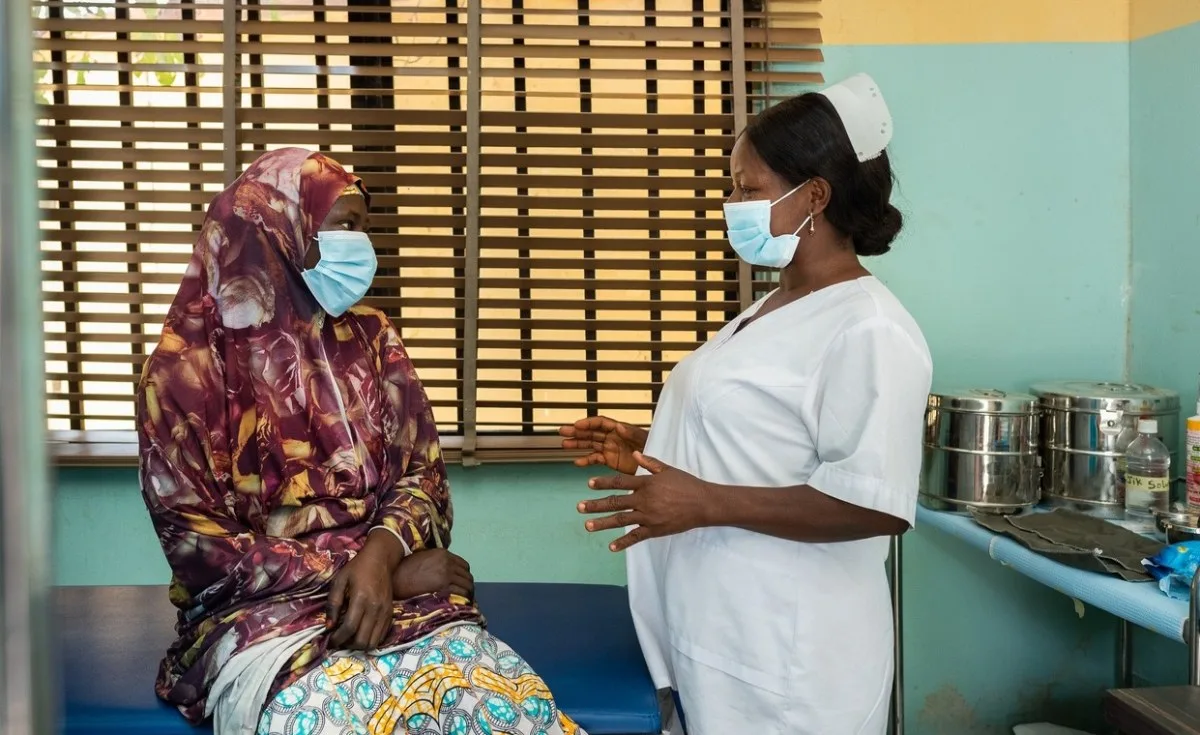
Over 600,000 women are diagnosed with cervical cancer annually, with 280,000 fatalities.
Nineteen of the twenty countries with the highest cervical cancer burden are in Africa.
A global strategy aims for 90% HPV vaccination coverage and 70% screening by 2030.
On November 17, global health leaders commemorated World Cervical Cancer Elimination Day, emphasizing the unprecedented opportunity to eradicate cervical cancer. For the first time in public health history, the end of this disease appears attainable through existing tools such as HPV vaccination, screening, and timely treatment. Each year, cervical cancer claims the lives of approximately 280,000 women, underscoring the urgent need for effective interventions that can save lives and prevent maternal orphans from suffering the loss of their mothers.
Cervical cancer predominantly impacts women in impoverished regions, with 19 of the 20 countries facing the highest burden located in the World Health Organization's African Region. The disease not only causes physical suffering but also perpetuates stigma and barriers to accessing essential healthcare. In response, the WHO launched a call to action in 2018, leading to the adoption of a 'Global Strategy to Accelerate the Elimination of Cervical Cancer' by member states in 2020, even amidst the COVID-19 pandemic. The strategy sets ambitious targets, including 90% HPV vaccination coverage for girls and 70% screening coverage for women by 2030.
Progress is being made, with countries like Australia and Sweden nearing the elimination of cervical cancer as a public health issue. Rwanda is also making strides, with several districts meeting WHO targets. The global landscape has transformed since the strategy's inception, with vaccine supply issues largely resolved and 166 countries now incorporating HPV vaccination into their national programs. Notably, India has launched one of the largest HPV vaccination campaigns, reaching over 11 million girls.
Advancements in screening and treatment are also noteworthy. More countries are adopting HPV testing, which is more effective than traditional methods. Innovations such as self-sampling and portable treatment devices are increasing accessibility, especially in remote areas. Additionally, artificial intelligence is being explored to enhance early detection, further supporting elimination efforts.
As the movement gains momentum, the commitment from governments and communities remains crucial. Political backing was reaffirmed at the World Health Assembly, designating November 17 as World Cervical Cancer Elimination Day. However, challenges persist, particularly for women living with HIV, who face a significantly higher risk of cervical cancer. To ensure comprehensive care, investments in vaccination, screening, and treatment must continue. The collective effort of governments, health workers, and advocates is essential to realize the goal of eliminating cervical cancer, ultimately leading to healthier futures for millions of women and girls worldwide.