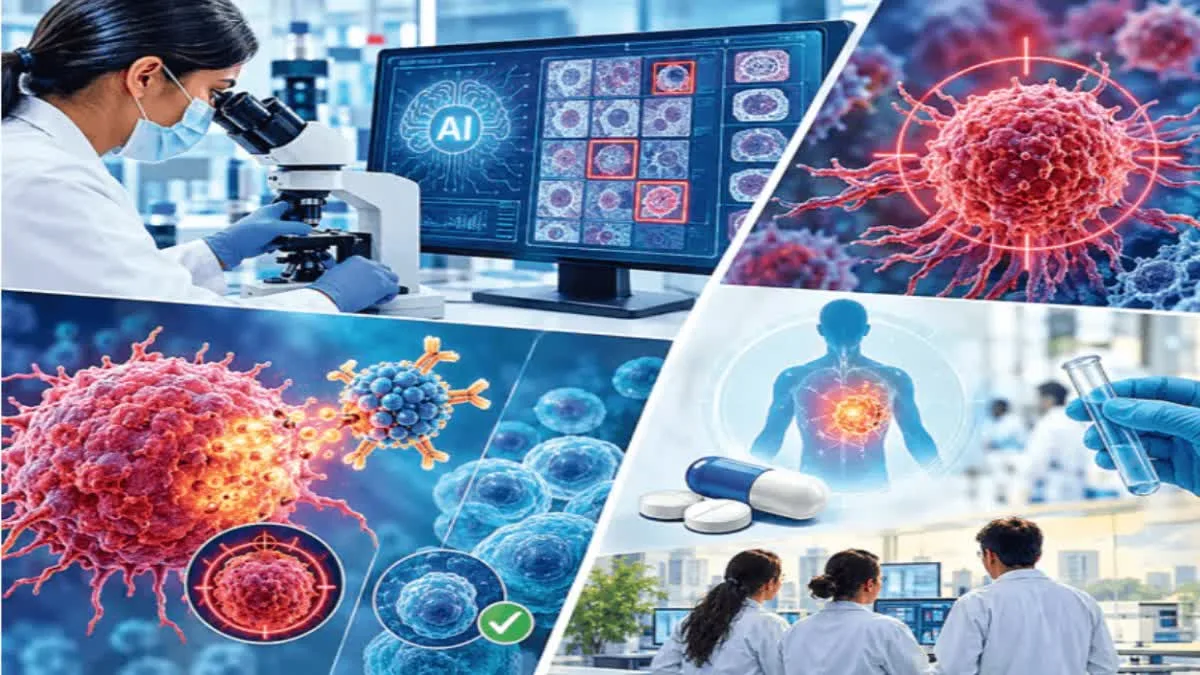
Global Breast Cancer Initiative Aims for Early Detection and Care
In recognition of Breast Cancer Awareness Month, a new initiative focuses on reducing mortality through systematic patient care.

Breast cancer accounts for nearly 12% of all cancer cases globally, with over 2 million diagnoses each year.
The initiative emphasizes early detection, timely diagnostics, and comprehensive treatment to lower mortality rates.
Effective treatment requires over 80% of patients to complete multimodal therapy without abandonment.
In observance of Breast Cancer Awareness Month, healthcare professionals are evaluating standardized frameworks aimed at reducing avoidable deaths from invasive breast cancer. This disease is the most commonly diagnosed cancer worldwide, representing approximately 12% of all cancer cases, with more than two million new diagnoses annually. To tackle this significant global health challenge, a systematic approach throughout the patient care continuum is essential. The Global Breast Cancer Initiative illustrates that consistent annual reductions in mortality rates depend on three synchronized phases: pre-diagnostic evaluation, timely diagnostics, and comprehensive therapy.
The foundation of this initiative is early detection. Data indicates that countries achieving a sustained annual decline in mortality rates of over 2% have diagnosed at least 60% of invasive breast cancers at stage one or two. Health systems are prioritizing clinical early diagnosis to identify symptomatic abnormalities before resorting to resource-intensive population screening. Primary care providers are conducting structured clinical breast examinations and symptom assessments to promptly identify palpable masses or localized changes. Timely triage at community facilities connects symptomatic individuals directly with regional diagnostic services, which is crucial in preventing the progression to advanced disease.
The diagnostic interval is critical and requires efficient tissue sampling and accurate staging within 60 days of the initial presentation. Prompt pathological diagnosis is achieved through core-needle biopsy and standardized biomarker evaluations, including estrogen receptor, progesterone receptor, and HER2 oncogene expression. Secondary hospitals are being utilized as accessible diagnostic centers where diagnostic ultrasound, mammography, and tissue sampling can be coordinated during a single clinical visit. Delays exceeding two months between initial presentation and definitive histologic diagnosis can compromise treatment efficacy and increase the risk of disease progression.
Following diagnosis, completing treatment is vital for reducing mortality. More than 80% of patients are encouraged to initiate and complete multimodal therapy regimens without abandoning treatment. Effective treatment typically combines surgery, radiation therapy, and personalized systemic medications, including cytotoxic chemotherapy, endocrine therapy, and targeted biologics. In cases of advanced breast cancer, systemic therapy is essential for controlling disseminated disease, while supportive care addresses treatment-related toxicities. Oncology services also tackle complications such as breast-cancer-related lymphedema and ensure patient adherence through multidisciplinary teams. The strategic implementation of the Global Breast Cancer Initiative across these clinical pillars is designed to facilitate coordinated care delivery and enhance long-term survival rates.