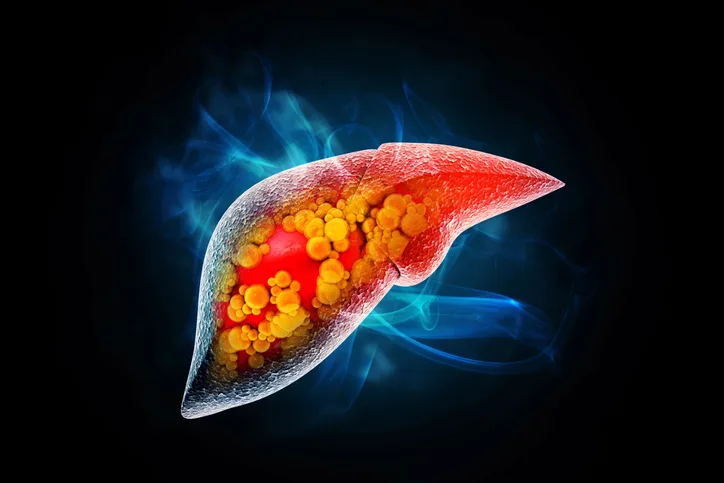
Genetic Variants Impact Cholesterol Levels in Indian Adults
A new study reveals that a healthy diet can mitigate genetic risks associated with high cholesterol in Indian adults.

Research indicates that poor diet exacerbates cholesterol levels in genetically predisposed individuals.
Approximately 87.3% of Indian adults are affected by dyslipidaemia, increasing cardiovascular disease risk.
Improving diet quality is essential for public health in India, particularly for those with a family history of high cholesterol.
A recent study conducted by the Madras Diabetes Research Foundation and the University of Reading has revealed that Indian adults with certain genetic variants may only experience elevated cholesterol levels when their diet is poor. This research highlights the significant role of dietary habits in managing cholesterol, suggesting that individuals with a healthy diet can counteract their genetic predispositions.
The study, published this month, is particularly relevant in the context of India's ongoing struggle with cardiometabolic diseases. As dietary patterns shift towards high-carbohydrate, refined foods, the country faces a growing burden of diabetes and cardiovascular conditions. Previous research by the Indian Council of Medical Research indicated that nearly 87.3% of Indian adults suffer from dyslipidaemia, a condition that heightens the risk of heart disease and stroke.
Researchers analyzed data from 1,020 adults aged 25 to 80, focusing on three genetic variants linked to diabetes and metabolic disorders. They utilized the Indian Diet Quality Score to assess participants' dietary habits across various food groups. Findings revealed that individuals with higher genetic risks had significantly elevated total and LDL cholesterol levels when consuming a poor diet. However, this disparity diminished among those adhering to medium- or high-quality diets, indicating that diet plays a crucial role in cholesterol management.
The implications of this study are profound for public health in India, where an estimated 101 million people have diabetes and 356 million suffer from hypertension. The results underscore the importance of improving dietary quality as a means to combat the rising incidence of metabolic disorders. Experts recommend a diet rich in fruits, vegetables, and pulses while moderating intake of refined carbohydrates and unhealthy fats.
While the study provides valuable insights, it is important to note that it is cross-sectional, meaning it establishes associations rather than causation. Future prospective studies will be necessary to confirm these findings and explore the potential for personalized nutrition strategies based on genetic information. Nevertheless, the research advocates for a shift towards healthier eating habits as a practical approach to reducing the impact of genetic risks associated with high cholesterol.