Urgent Call to Action: Ending Polio in Africa by 2026
As World Polio Day approaches, experts emphasize the need for immediate action to eradicate polio in Africa, highlighting recent outbreaks and vaccination efforts.
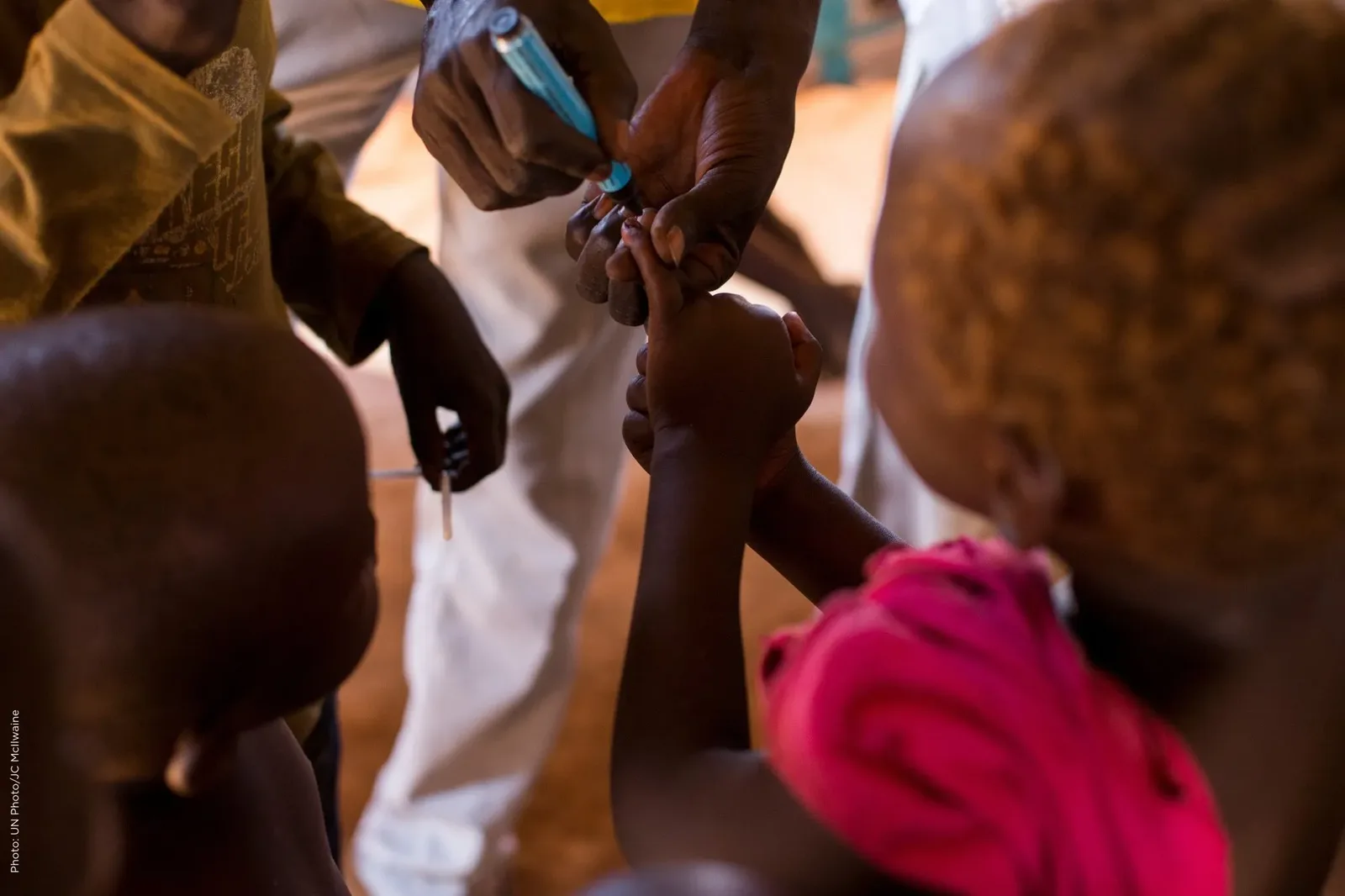
Polio remains a threat, with recent cases detected in six African nations.
Vaccination campaigns have successfully immunized millions, but funding challenges persist.
Innovative strategies and community support are essential for achieving a polio-free Africa.
As World Polio Day on October 24 approaches, health experts are urging immediate action to eradicate polio in Africa. Recent reports indicate that the poliovirus has been detected in six countries, including the Democratic Republic of Congo and Nigeria, underscoring the urgency of maintaining vaccination efforts to protect children and strengthen health systems across the continent.
Historically, polio has posed a significant threat, causing paralysis and death worldwide. While the disease is endemic in only two countries—Afghanistan and Pakistan—outbreaks in East Africa have demonstrated how quickly progress can be jeopardized by gaps in vaccination coverage. The recent detection of the virus in environmental samples in Malawi highlights the need for robust immunization campaigns and swift governmental responses to prevent transmission.
In 2025, countries in sub-Saharan Africa successfully vaccinated nearly 200 million children under five, with significant decreases in polio cases reported in the Democratic Republic of Congo. However, the ongoing challenges of funding cuts and resource allocation threaten these gains. Despite a 33% reduction in polio detections since 2024, the rise of new strains remains a concern, necessitating continued vigilance and innovation in vaccination strategies.
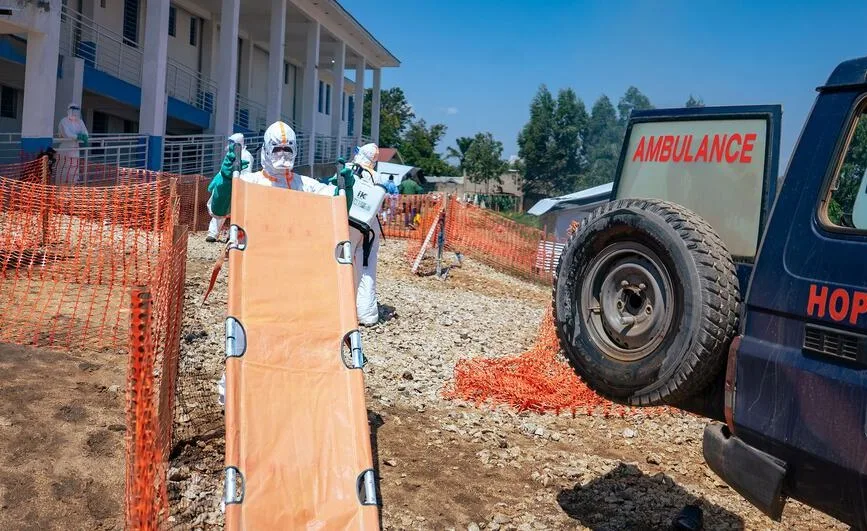
The implications of these efforts extend beyond polio eradication. Strengthening health systems through polio investments can enhance responses to other public health threats, such as the recent Ebola outbreak in Central Africa. The infrastructure developed for polio eradication can serve as a foundation for broader health initiatives, emphasizing the interconnectedness of health security and disease prevention.
Looking ahead, the focus must remain on securing long-term funding and improving cross-border coordination to reach vulnerable populations. Enhanced testing and tracking capabilities are also critical to swiftly address outbreaks. With sustained commitment and community engagement, a polio-free Africa is achievable, ensuring the protection of future generations and the resilience of health systems against emerging threats.