Fortis Manesar Provides Hope to Three Uzbek Children with Epilepsy
Three children from Uzbekistan receive successful treatment for drug-resistant epilepsy at Fortis Hospital Manesar, showcasing advanced medical techniques.
Three Uzbek children treated for severe drug-resistant epilepsy.
Advanced neuromodulation and microsurgery techniques were employed.
Encouraging early outcomes indicate improved seizure control.
Fortis Hospital Manesar has successfully treated three children from Uzbekistan suffering from severe, drug-resistant epilepsy, providing them with renewed hope for better seizure management and an enhanced quality of life. The hospital's multidisciplinary medical team utilized advanced neuromodulation technology alongside precision microsurgery to address the complex neurological conditions faced by these young patients.
Despite undergoing extensive treatment with various anti-seizure medications, the children continued to experience frequent seizures. Following thorough evaluations, the medical team crafted individualized treatment plans tailored to each child's specific medical needs. As a result, two of the children received Vagus Nerve Stimulation (VNS) implants, while the third underwent a specialized microsurgical procedure. Early follow-up assessments have shown promising improvements in seizure control for all three children.
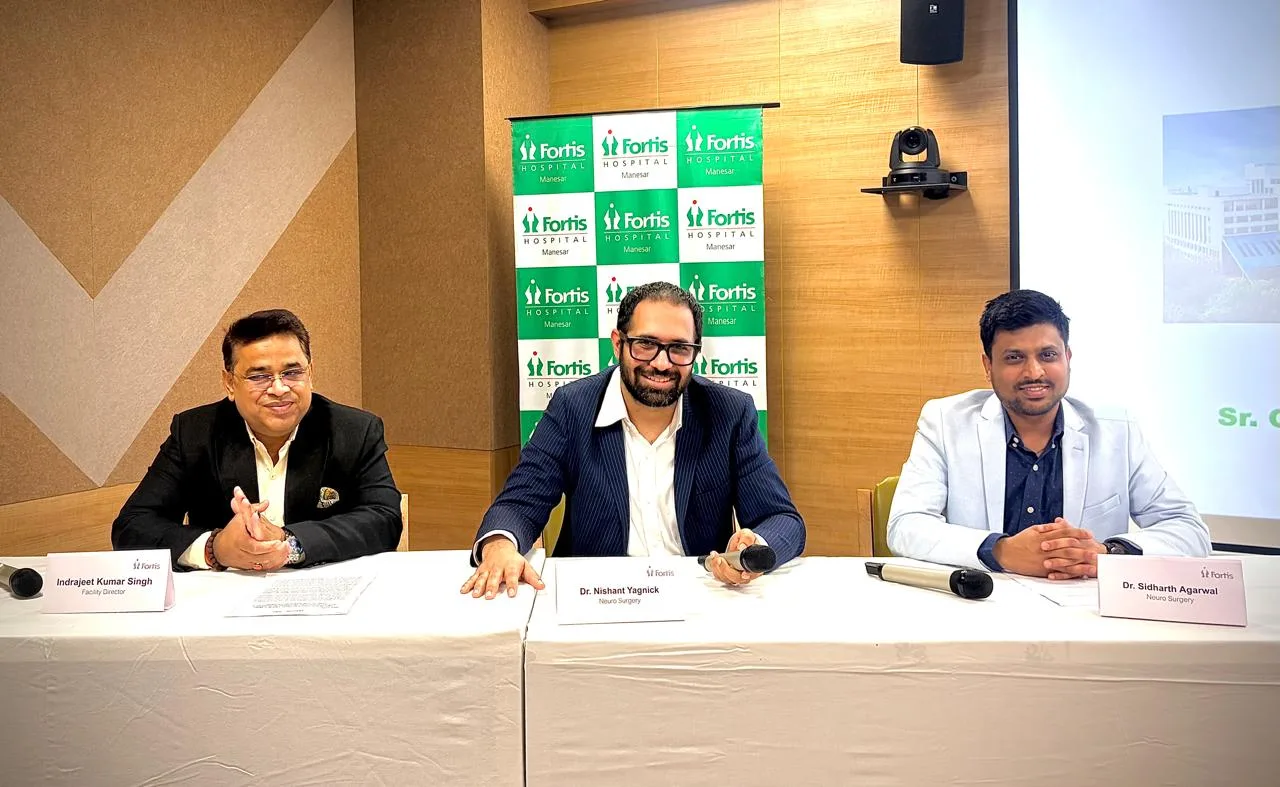
The medical team, led by Dr. Nishant Yagnick and Dr. Sidharth Agarwal, emphasized the importance of personalized care in treating drug-resistant epilepsy. This condition is characterized by seizures that remain uncontrolled despite appropriate medication. In such cases, advanced treatments like neuromodulation and epilepsy surgery can significantly improve seizure management. The doctors selected the most suitable intervention for each child based on their neurological evaluations, seizure patterns, and medical histories.
Among the patients, three-year-old Muhammad Ziyo Khojakulov had been experiencing significant developmental delays and multiple seizures daily. After a successful nerve-stimulation implantation procedure, he reported no seizures in the follow-up period. Similarly, five-year-old Shakhlo Kuvandikova saw a dramatic reduction in seizure frequency following her VNS implantation, allowing her to engage more actively in daily activities. Eleven-year-old Ibrohimjon Pardabaev underwent a specialized microsurgical brain procedure, resulting in a significant decrease in seizures and a reduction in his medication regimen.
The encouraging progress of these three children highlights the potential of individualized treatment approaches for long-term seizure management. As they continue to receive medical supervision and follow-up care, the use of advanced neuromodulation techniques may offer additional options for managing their conditions as they grow. Doctors stress the importance of early evaluation and personalized care to improve the quality of life for children with drug-resistant epilepsy, aiming for sustained seizure control with minimal medication where possible.