First Human Case of Shamonda Virus Reported in France
A severely immunocompromised patient in France becomes the first documented human infection of the Shamonda virus, raising health concerns.
The Shamonda virus was first detected in a human on October 22, 2026, in France.
French authorities suspect the virus was transmitted via a midge bite, with no current public health risk identified.
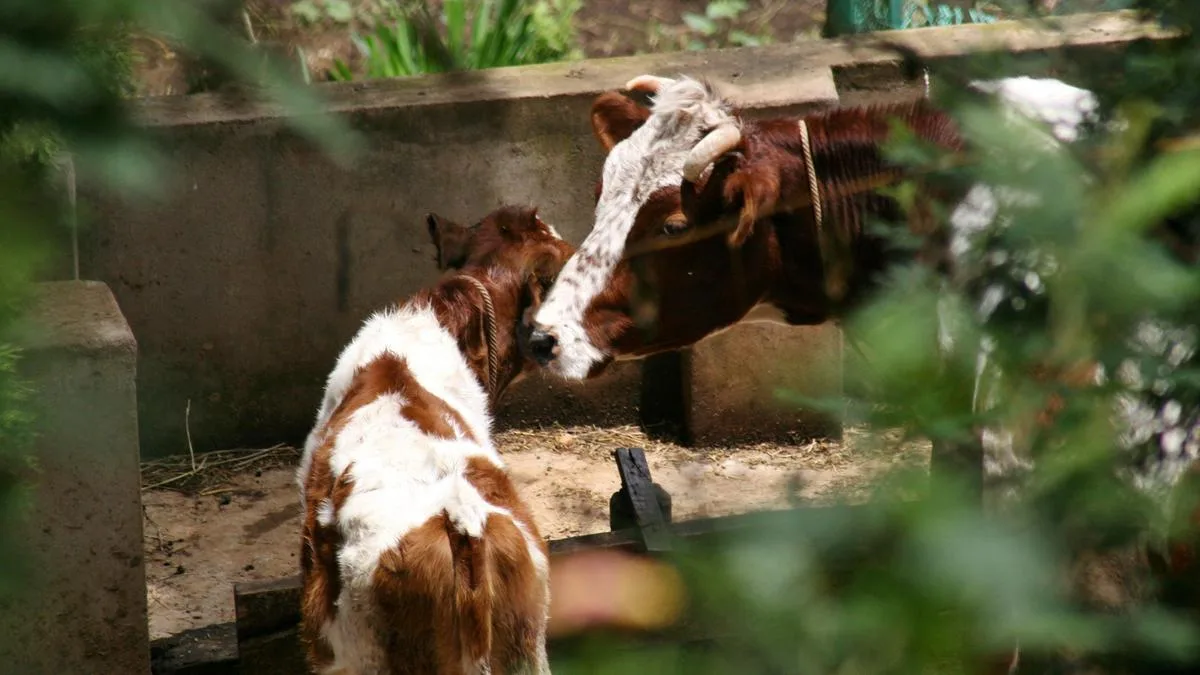
The virus, previously known only as an animal pathogen, has been linked to livestock health issues, including reduced milk production.
On October 22, 2026, France reported the first known human infection of the Shamonda virus, marking a significant development in the understanding of this pathogen. The patient, who was severely immunocompromised and undergoing treatment for a serious illness, passed away in early October. Investigations are ongoing to determine if the virus played a role in the patient's death and how the infection was acquired.
The Shamonda virus, belonging to the Orthobunyavirus genus, was initially isolated from cattle in Nigeria during the mid-1960s and has been sporadically reported in livestock across parts of Africa and Japan. Prior to this case, it was considered an animal-only pathogen, primarily affecting cattle, sheep, goats, and horses. Symptoms in infected livestock include fever, diarrhea, and reduced milk production, with serious implications for pregnant animals.
French health officials suspect that the patient contracted the virus through a bite from a Culicoides midge, which has been known to transmit the virus among animals in eastern France. The European Centre for Disease Prevention and Control (ECDC) has confirmed the virus's presence in farm animals across 12 European countries, including France, but asserts that there is currently no public health risk to the general population. The World Health Organization (WHO) also indicates that widespread transmission among humans is unlikely based on available information.
The emergence of this human case has raised critical questions about the potential for Shamonda virus to cause disease in humans beyond its known animal hosts. While the patient exhibited brain complications that may be linked to the virus, it remains unclear whether similar issues could arise in individuals with different health profiles. This situation underscores the importance of a One Health approach, which emphasizes the interconnectedness of human, animal, and environmental health.
Moving forward, health authorities will continue to monitor the situation closely. Investigations into the circumstances surrounding the human infection are crucial to understanding the virus's transmission dynamics and potential risks. As of now, there are no specific treatments or vaccines available for Shamonda virus infection in humans, and further research is needed to clarify its impact on human health.