India's Ongoing Vigilance Needed as Polio Threat Persists
Despite being declared polio-free, India must remain alert to the risks posed by neighboring countries where the virus is still active.
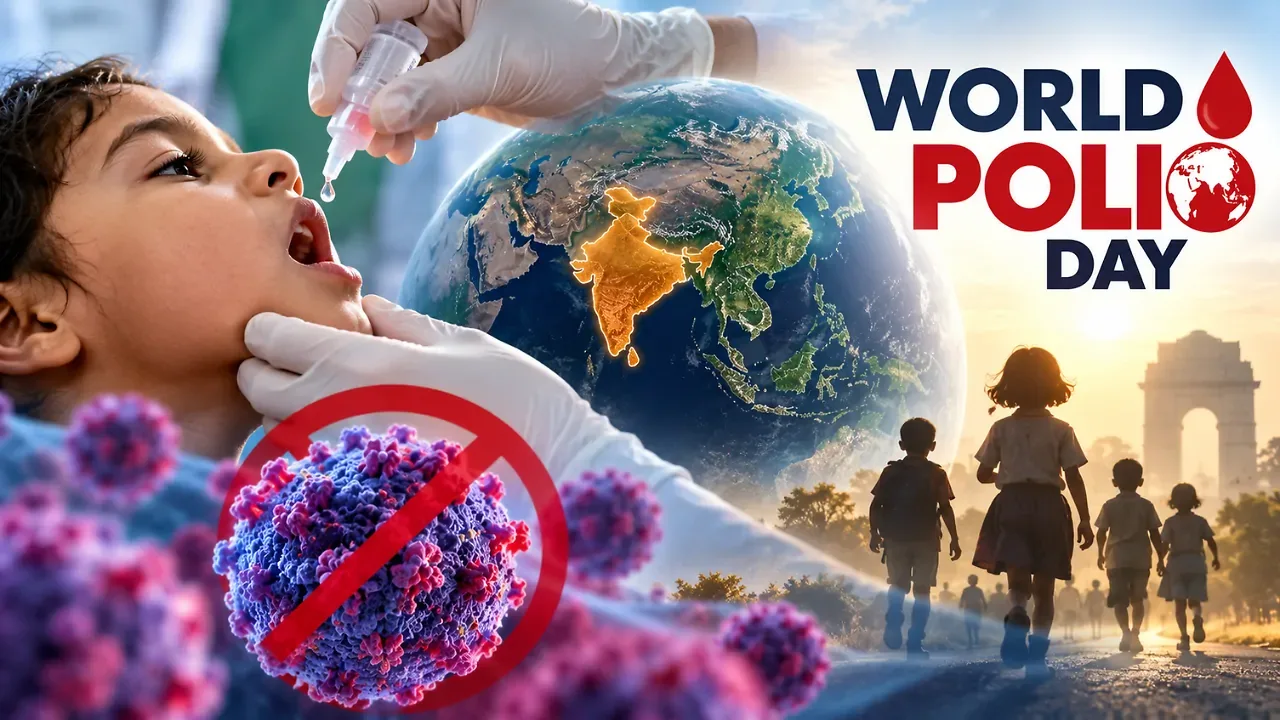
India has been polio-free since March 27, 2014, but risks remain due to neighboring countries.
Continued vaccination and surveillance are crucial to prevent the reintroduction of the virus.
Afghanistan and Pakistan reported cases of wild poliovirus, highlighting the ongoing global health threat.
India's achievement of being declared polio-free on March 27, 2014, by the World Health Organization (WHO) marks a significant milestone in public health. However, the country must remain vigilant as the wild poliovirus continues to circulate in neighboring Afghanistan and Pakistan. The last case of wild poliovirus in India was reported on January 13, 2011, but the potential for reintroduction necessitates ongoing efforts in vaccination and surveillance to protect children from this debilitating disease.
The Global Polio Eradication Initiative recently reported that Afghanistan had 42 cases of wild poliovirus as of October 21, 2026, while Pakistan had reported six cases. These figures underscore the importance of maintaining robust vaccination programs and surveillance systems in India. Gulam A. Vahanvaty, Chairman of the India National PolioPlus Committee, emphasized that being polio-free does not equate to being immune to the disease, highlighting the necessity for continued vigilance.
Polio is a highly contagious disease that spreads through the faecal-oral route, often leading to irreversible paralysis. Dr. Aparna G, a pediatric consultant, stressed the importance of sustained immunization efforts to prevent the disease's return. India employs both inactivated polio vaccine (IPV) and oral polio vaccine (OPV) to build immunity among children. Routine immunization and pulse polio campaigns are critical strategies to ensure comprehensive coverage, particularly for vulnerable populations.
In addition to vaccination, effective surveillance is vital for maintaining India's polio-free status. Surveillance for acute flaccid paralysis (AFP) and environmental testing of sewage samples are essential tools for early detection of any potential virus circulation. Dr. Aparna highlighted that timely identification of suspected cases allows for prompt public health responses to curb transmission. Community-based surveillance initiatives are also recommended to enhance detection capabilities.
Looking ahead, India must prioritize protecting its polio-free status by ensuring that children receive routine immunizations and that vaccination campaigns effectively reach at-risk communities. The ongoing circulation of wild poliovirus in neighboring countries indicates that the global eradication effort is far from complete. International collaboration, comprehensive vaccination coverage, and strong surveillance systems will be crucial in safeguarding the health of children in India and beyond.