First Human Case of Shamonda Virus Confirmed in France
The WHO has reported the first human infection of the Shamonda virus in France, raising public health concerns.
The Shamonda virus was previously only found in animals.
The infection was reported in an immunocompromised patient who has since died.
Further research is needed to understand transmission and health risks.
The World Health Organization (WHO) has confirmed the first documented human case of the Shamonda virus in France, following the death of an immunocompromised patient. This marks a significant development as the virus was previously only known to infect animals such as cattle, sheep, goats, and horses.
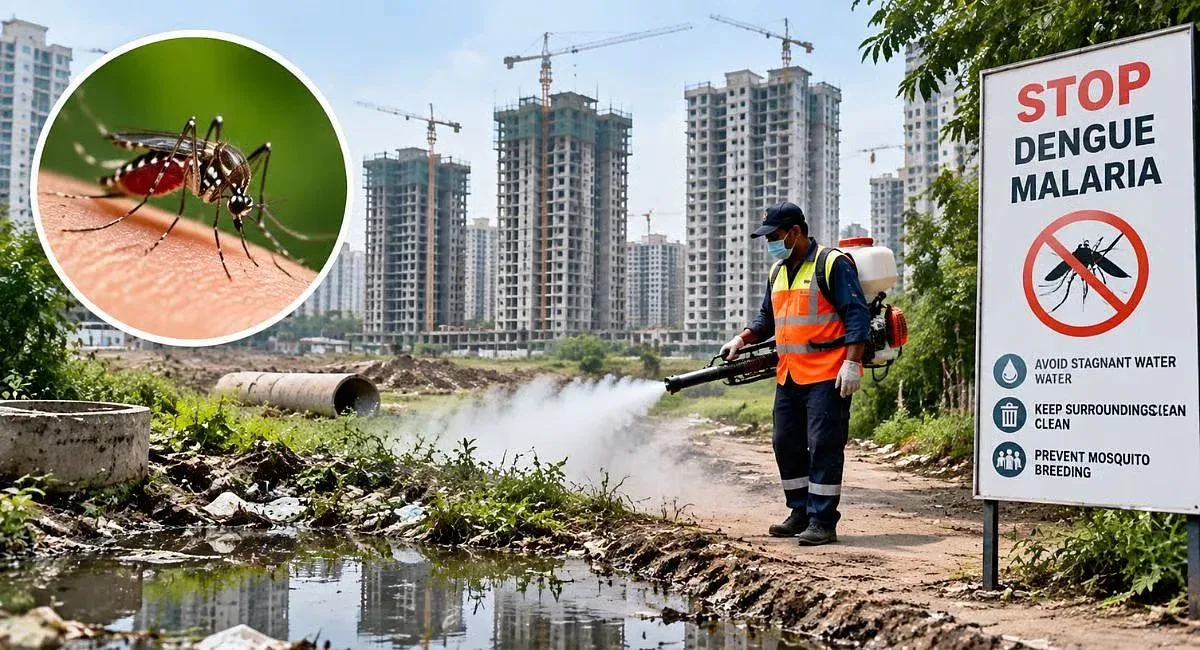
WHO Director-General Tedros Adhanom Ghebreyesus highlighted that the Shamonda virus is typically transmitted among animals through bites from midges, which are small, fly-like insects. The exact mechanism of how this virus infected the human patient remains unclear, prompting the need for further studies to investigate the transmission pathways and assess any potential public health risks associated with this case.
In a related public health update, Nigeria has reported an imported case of the Ebola Bundibugyo virus disease in Abuja. Health authorities in Nigeria have swiftly identified 44 individuals who had contact with the infected person and are currently monitoring their health to prevent further spread of the virus.
The emergence of the Shamonda virus in humans raises alarms about zoonotic diseases, which are infections that can be transmitted from animals to humans. Experts emphasize the importance of monitoring animal populations and understanding the ecological factors that contribute to such transmissions, especially in light of increasing interactions between wildlife and human populations.
Looking ahead, health officials and researchers will be focusing on conducting comprehensive studies to determine the transmission dynamics of the Shamonda virus and its potential implications for public health. The WHO is expected to release further guidelines and recommendations as more information becomes available regarding this new human infection.