Expert Links Obesity to Increased Breast Cancer Risk
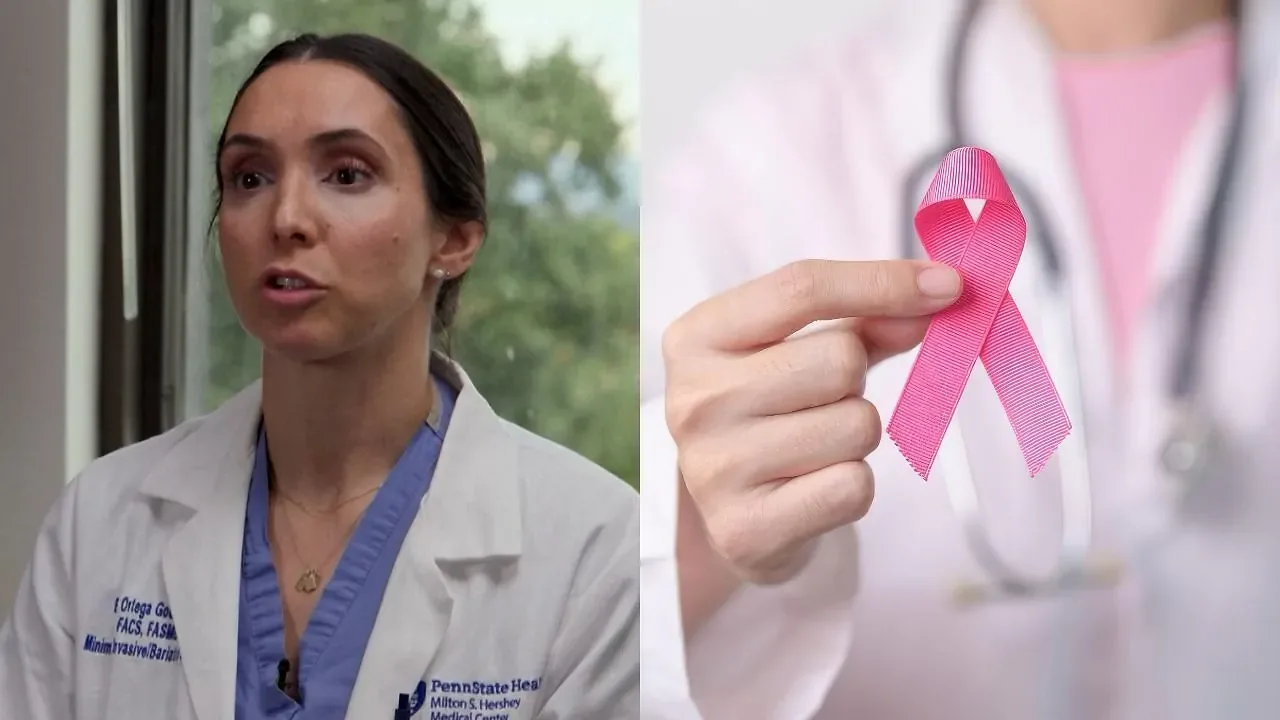
Dr. Emily Ortega Goddard discusses how obesity can elevate the risk of breast cancer and the importance of managing weight.
Obesity is linked to over 13 types of cancer, including breast cancer.
Hormonal changes and inflammation due to excess body fat contribute to cancer risk.
Managing obesity is crucial for cancer prevention and survivorship.
In a recent discussion, Dr. Emily Ortega Goddard, Director of the Bariatrics program at Penn State Health, emphasized the significant connection between obesity and breast cancer risk. She highlighted that excess body weight not only contributes to diabetes and heart disease but also plays a critical role in increasing the likelihood of developing various cancers, particularly breast cancer.
Dr. Goddard pointed out that obesity is often overlooked as a serious medical condition requiring professional intervention. She noted that more than 13 different types of cancer have been associated with obesity, underscoring the need for greater awareness and recognition of this issue in health discussions. The expert explained that the relationship between obesity and cancer is complex, primarily driven by hormonal imbalances and chronic inflammation caused by excess adipose tissue.
The mechanisms through which obesity elevates breast cancer risk include hormonal changes and inflammatory responses triggered by fat cells. These cells release hormones and cytokines that can lead to persistent inflammation, disrupting normal cellular functions and creating an environment conducive to cancer development. Dr. Goddard clarified that while obesity is a significant risk factor, it does not guarantee cancer development, as various other factors such as age, genetics, and family history also play a role.
Addressing obesity is particularly important for individuals already diagnosed with cancer, as excess weight may heighten the risk of developing obesity-related cancers and influence recurrence rates. Dr. Goddard emphasized that managing weight should be a priority in cancer care, as untreated obesity can complicate recovery and increase the likelihood of future health issues. She encouraged individuals to seek medical help without shame, framing obesity as a metabolic condition rather than a personal failing.
To mitigate obesity and its associated risks, Dr. Goddard recommended gradual lifestyle changes, including increased physical activity and dietary consultations. She reassured that it is never too late to embark on a weight loss journey, which can significantly lower cancer risk. For those requiring more intensive intervention, options such as medical therapies and bariatric surgery may be considered based on individual assessments. Research from the Cleveland Clinic supports the benefits of bariatric surgery, indicating a 48% reduction in cancer-related mortality among patients a decade post-surgery. Dr. Goddard concluded that timely medical attention to obesity is essential for improving overall health and reducing the risk of obesity-related cancers.